Sights in Spain
Spain's top sights run on named, timed tickets bought online: the Alhambra, the Sagrada Família, Park Güell and the Real Alcázar all sell fixed entry slots, and the best ones go weeks ahead. Book before you travel, carry the ID you booked with, and use the free hours at state museums and royal palaces if your timing allows.
Checked 6 October 2026
Our sight guides for Spain

Alhambra
Granada, Spain
The Nasrid sultans' hilltop palace-city, with the Generalife gardens above it.
- From
- €22.27
- Time needed
- 3–4 hours; 5 if you linger in the Generalife and the museum
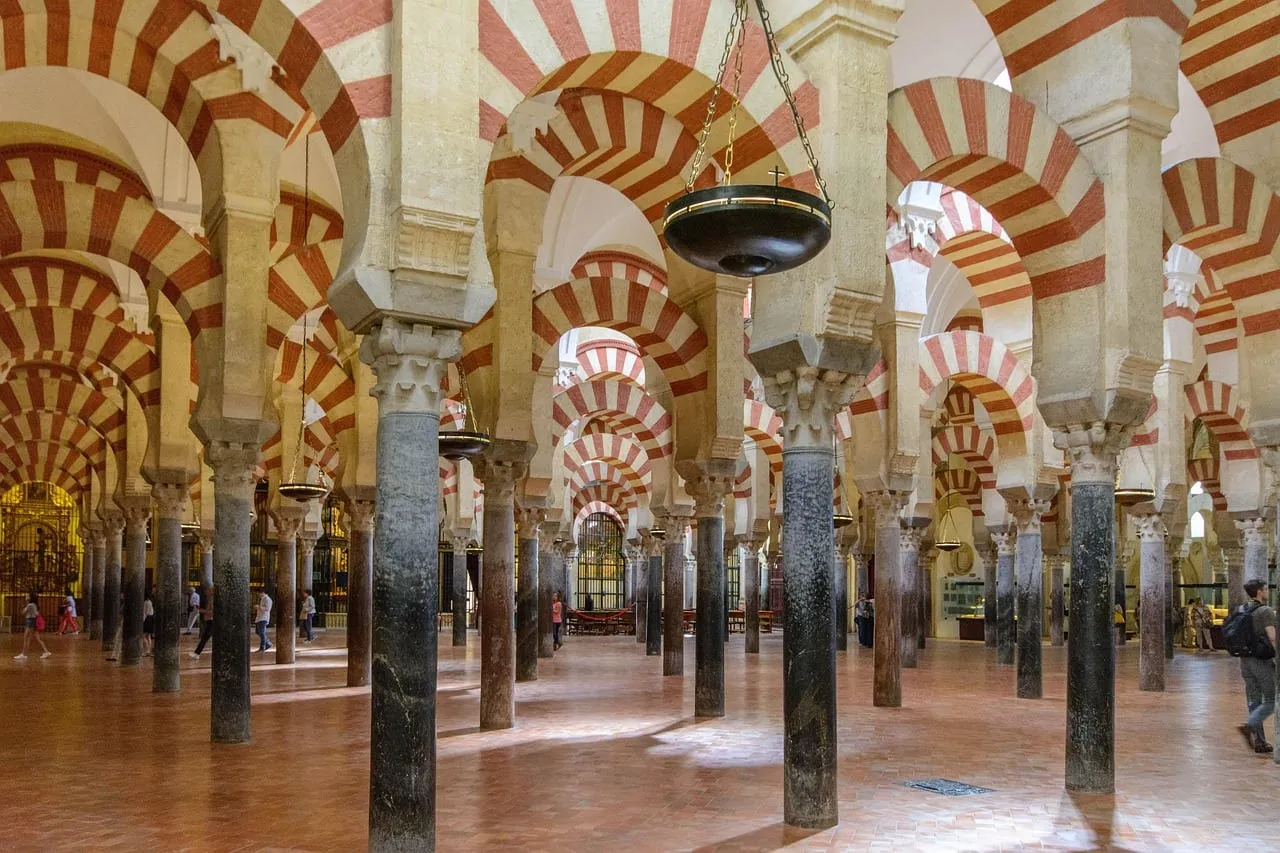
Mosque-Cathedral of Córdoba
Córdoba, Spain
An 8th-century mosque with a Renaissance cathedral built into its forest of arches.
- From
- Free Mon–Sat 8:30–9:30; €15 general ticket
- Time needed
- 1½–2 hours; add 30 minutes for the bell tower and an hour for the night visit
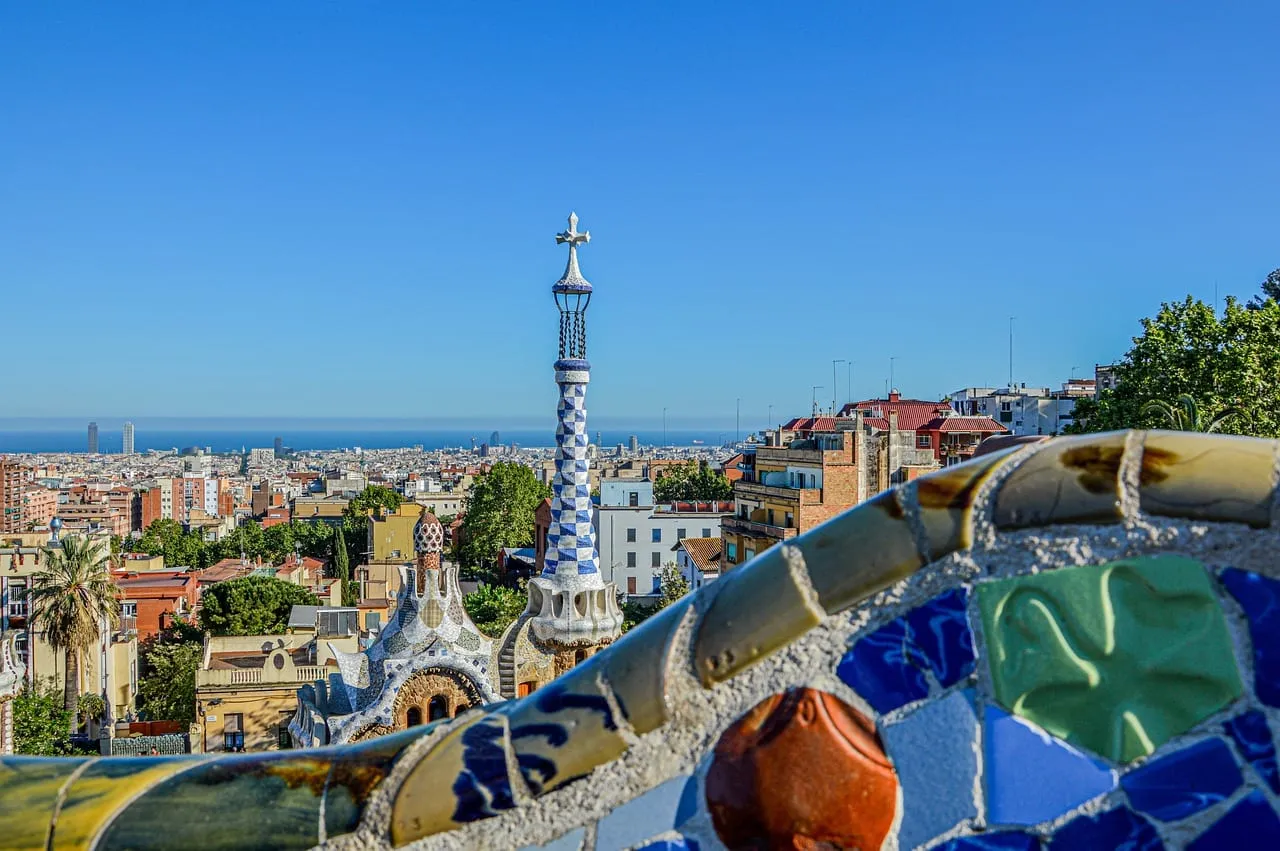
Park Güell
Barcelona, Spain
Gaudí's hillside garden city: the mosaic dragon, the serpentine bench and views to the sea.
- From
- €18
- Time needed
- 1–2 hours; the official estimate for the core route is about an hour
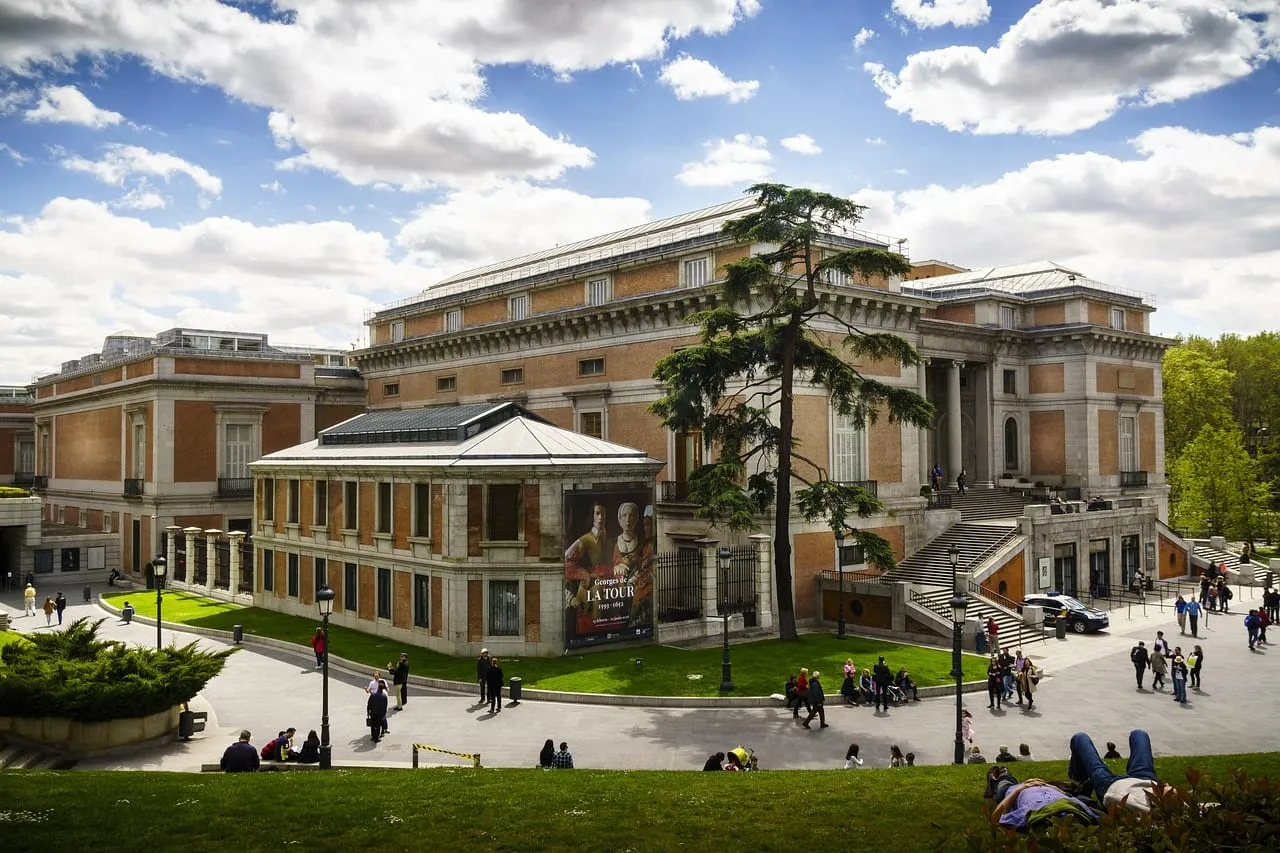
Prado Museum
Madrid, Spain
Spain's royal picture collection: Velázquez, Goya, Bosch and Titian under one roof.
- From
- €15 adult; €7.50 reduced; free under 18 and for students aged 18–25
- Time needed
- 2–3 hours for the highlights; a full day for the whole collection
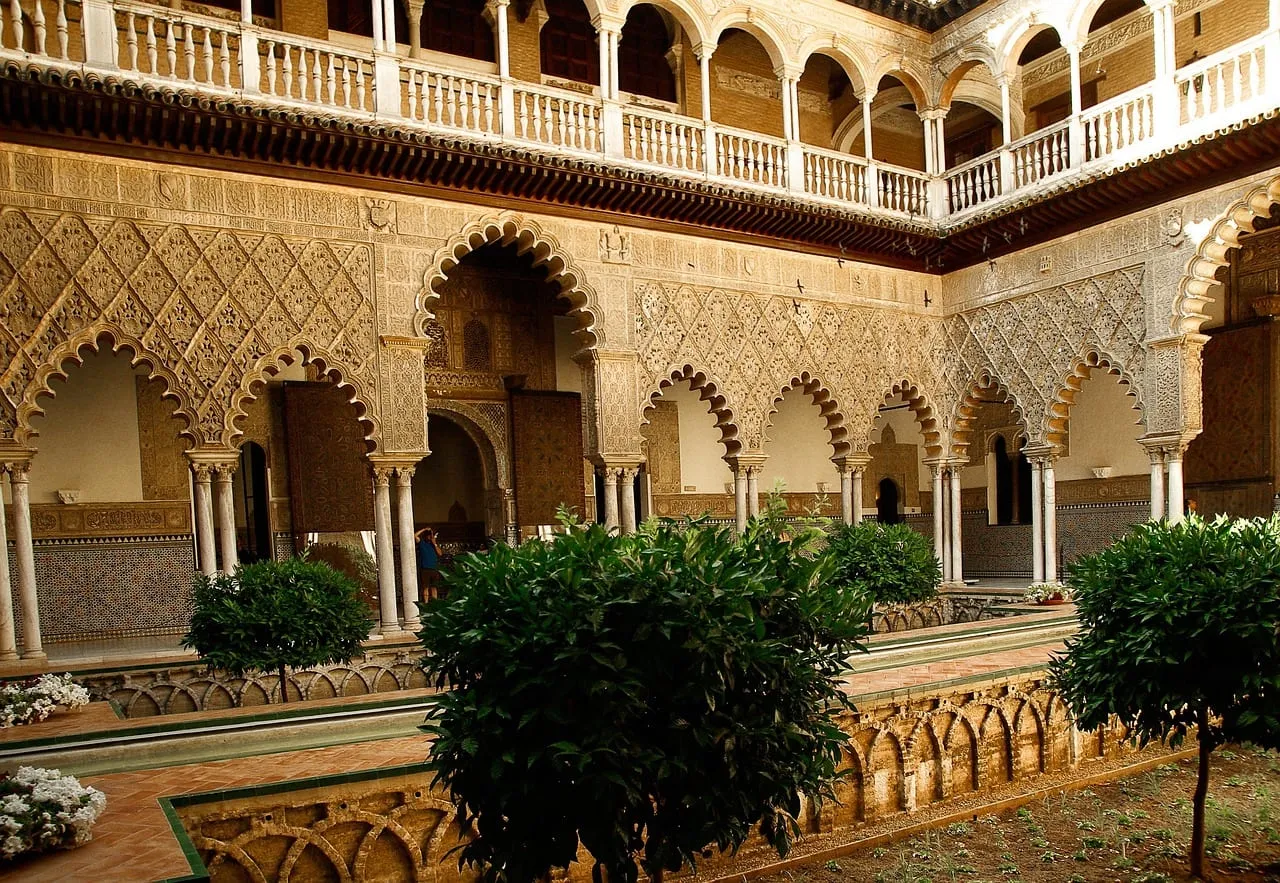
Royal Alcázar of Seville
Seville, Spain
Europe's oldest royal palace still in use, with Mudéjar courtyards and vast gardens.
- From
- €15.50
- Time needed
- 2–3 hours; an hour for the palaces, at least another for the gardens
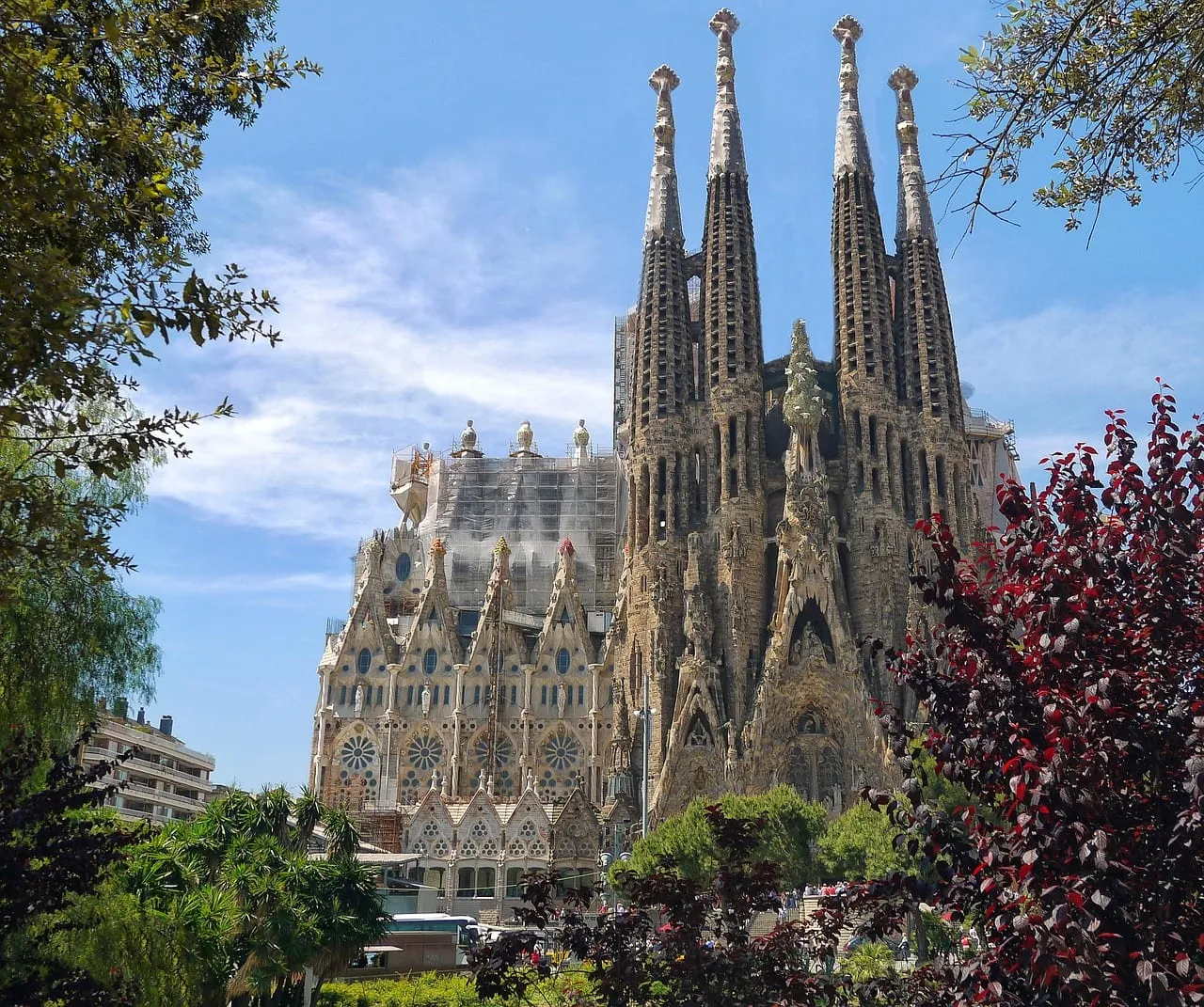
Sagrada Família
Barcelona, Spain
Gaudí's basilica and the world's tallest church: a stone forest lit by coloured glass.
- From
- €26
- Time needed
- 1.5–2 hours; about 2.5 hours with a tower
Visiting sights in Spain
Passes and combined tickets
Spain has no national pass, and the big Gaudí and Andalusian sights sell their own tickets, so for most visitors the official single ticket is the buy. In Madrid, the Art Walk pass (Paseo del Arte) costs €32.80 (October 2026) for one visit each to the Prado, Reina Sofía and Thyssen-Bornemisza within a year. It saves a little only if you will pay full price at all three, as the Prado alone is €15. Granada's city card bundles an Alhambra slot with the cathedral and buses; see the Alhambra page. Check whether any pass still needs a timed reservation, and remember that the Prado's free last two hours make paying for it optional.
Free days and discounts
Free hours are generous but tied to the clock (October 2026). The Prado is free for its last two hours every day (18:00–20:00 Monday to Saturday, 17:00–19:00 on Sundays), with tickets from the ticket office while capacity lasts. State museums such as the Museo Arqueológico Nacional are free on Saturday afternoons from 14:00 and on Sunday mornings, plus 18 April, 18 May, 12 October and 6 December. The Royal Palace of Madrid is free Monday to Thursday in its last two hours, but only for EU citizens and residents and Latin American citizens with ID. Under-18s get into state museums free. Seville's Real Alcázar is free only for people born or living in the city.
Getting between the sights
High-speed trains link the big sight cities. Renfe's AVE runs from Barcelona Sants to Madrid Atocha almost every hour in as little as 2h30, and Iryo and low-cost Ouigo trains compete on the same line, so compare all three. Barcelona to Granada is harder: from 14 September 2026 there is one direct AVE a day (15:41, arriving 23:13); otherwise you change in Madrid. Arrive a little early: Spanish stations run a quick X-ray bag check at the entrance to the platforms for long-distance and high-speed trains. Keep your Renfe ticket, as it gets a discount at some state museums.
Dress codes and customs
Tickets carry your name. At the Alhambra each ticket is issued against a national ID card or passport, and staff check the original. At the Sagrada Família, photo ID and proof of any discount are checked. Book with the document you will carry, and bring the card behind any youth, student or senior rate. Churches that are also sights expect modest dress: the Sagrada Família refuses see-through clothing, swimwear, bare feet and shorts or skirts above mid-thigh, so a light scarf or long trousers solve most problems. Expect bag checks, and note that ticket offices increasingly take cards only: the Real Alcázar's office does not accept cash.
Seasons, holidays and crowds
Spring and autumn are the most pleasant and the most booked months, especially in Andalusia. Semana Santa (Holy Week, 21–28 March in 2027) fills Seville, Granada and Málaga with processions and visitors, so tickets and hotels go first. July and August are hot in the south: book the first slots of the morning. Closing days catch people out. State museums such as the Museo Arqueológico Nacional close every Monday and at 15:00 on Sundays and holidays, while the Prado opens daily but keeps short hours on 6 January and 24 and 31 December. The Real Alcázar closes at 17:00 from October to March. Summer hours run later: the Alcázar stays open to 19:00 from April to September.
Scams and problems to know about
Barcelona is Spain's pickpocket hotspot. The city still recorded about 239 thefts a day in 2025, the lowest figure since 2015. One in five happened on public transport, 40% inside shops and other premises and 36% on the street. Keep phones off café tables and bags zipped in front of you on the metro and around the Sagrada Família, where thieves often work in teams with a distraction. The other nationwide problem is look-alike ticket sites for the Alhambra and the Sagrada Família, which charge more for the same slot. Buy on the sight's own domain: tickets are personal, so a ticket resold by a stranger in someone else's name will be refused.
Also worth the trip
Not on Sightsale yet, but worth knowing about.
Las Médulas
A lesser-known gem in León province: the red hills and tunnels left by Roman gold mining, now a World Heritage landscape for walking.
Questions people ask about visiting Spain
Do I need to book Spanish monuments in advance?
For the famous ones, yes. The Alhambra, the Sagrada Família, Park Güell and the Real Alcázar all sell timed tickets online, and the Alhambra and Sagrada Família go weeks ahead in spring and summer. Park Güell sells online only and lets you in up to 30 minutes after your time. Museums such as the Prado are easier but still sell timed tickets online.
When is the Prado free?
Every day for the last two hours before closing: 18:00–20:00 Monday to Saturday and 17:00–19:00 on Sundays and holidays (October 2026). Free tickets come from the ticket office, subject to capacity, so expect a queue. Under-18s and students aged 18–25 get in free at any time with proof.
Is the Royal Palace of Madrid free?
Only for some visitors. From Monday to Thursday, 16:00–18:00 from October to March and 17:00–19:00 from April to September, entry is free for EU citizens, EU residents and work-permit holders and Latin American citizens with ID. Everyone gets in free on 18 May and 12 October. Other visitors pay the normal price.
Are museums in Spain closed on Mondays?
Some state museums are: the Museo Arqueológico Nacional, for example, closes every Monday and at 15:00 on Sundays. The Prado and the big monuments such as the Alhambra, the Sagrada Família and the Real Alcázar open on Mondays. Check each sight's hours before planning a Monday.
Sources for this page (14)
- Museo del Prado – visit the museum (hours, prices, free hours) (accessed 6 October 2026)
- Museo del Prado – opening times and prices (free admission, Art Walk pass) (accessed 6 October 2026)
- Museo Arqueológico Nacional – horarios (accessed 6 October 2026)
- Museo Arqueológico Nacional – tarifas (accessed 6 October 2026)
- Patrimonio Nacional – free entry to the Royal Palace of Madrid (accessed 6 October 2026)
- Patrimonio Nacional – free entry (accessed 6 October 2026)
- Real Alcázar de Sevilla – prepara la visita (hours, prices, free entry) (accessed 6 October 2026)
- Park Güell – official tickets (accessed 6 October 2026)
- Alhambra – helpful tips (tickets by ID or passport) (accessed 6 October 2026)
- Sagrada Família – rules and regulations (dress code) (accessed 6 October 2026)
- The Man in Seat 61 – train travel in Spain (accessed 6 October 2026)
- Wikipedia – List of dates for Easter (accessed 6 October 2026)
- Ara – Seguridad en Barcelona: los hurtos no bajaban tanto desde el 2015 (13 February 2026) (accessed 6 October 2026)
- GOV.UK – Spain travel advice: safety and security (accessed 6 October 2026)