Sights in Austria
Austria's great sights split into Vienna's imperial palaces and museums and the lakes and mountain villages of the Alps, linked by fast, frequent trains. The rule that matters most: imperial palaces like Schönbrunn sell entry for a set time slot, so book online on the official shop, and in places like Hallstatt come early or late, because day-trippers fill the village from late morning.
Checked 7 October 2026
Our sight guides for Austria
 Hidden gem
Hallstatt
Hallstatt, Austria
A salt-mining village on an Alpine lake, with the world's oldest salt mine above it.
- From
- Village free; Beinhaus €2; funicular and Skywalk €29; salt mine with funicular €49
- Time needed
- 3–4 hours for the village; 6 hours with the salt mine and Skywalk; better an overnight stay
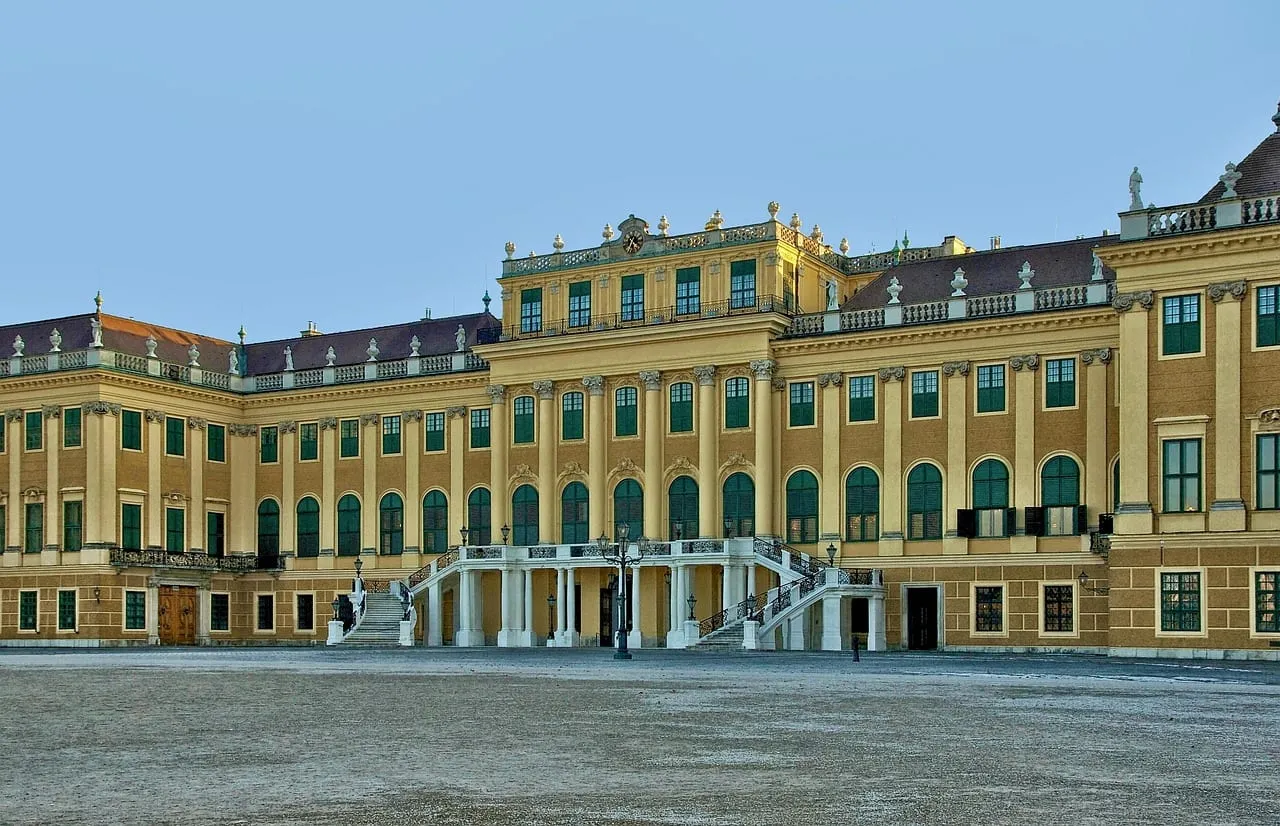
Schönbrunn Palace
Vienna, Austria
The Habsburgs' summer palace: Rococo state rooms, a free Baroque park and the Gloriette.
- From
- €30
- Time needed
- 75 minutes for the palace; 3–4 hours with the gardens and the Gloriette; a full day with the zoo
Visiting sights in Austria
Passes and combined tickets
There is no national sightseeing pass. In Vienna, the Vienna Pass gives entry to a long list of paid sights, including Schönbrunn's State Apartments, for €109 for one day up to €199 for six (often sold at a discount, €98.10 for one day, October 2026); timed sights still need a slot booked. The Vienna City Card is a different product: public transport plus discounts at over 200 partners, €19 for 24 hours, €31 for 48 hours and €37 for 72 hours (October 2026). For palace fans, the Sisi Pass (€60 adults) covers the Schönbrunn Palace Ticket, the Hofburg's Sisi Museum and Imperial Apartments and the Furniture Museum. Outside Vienna, sights sell their own tickets.
Getting between the sights
ÖBB runs two railjets an hour between Vienna Hauptbahnhof and Salzburg (about 2 hours 22 minutes to 2 hours 53 minutes); advance 'Sparschiene' fares start at €19.90 in second class, against a flexible €65 (October 2026). WESTbahn runs the same route from Vienna Westbahnhof. For Hallstatt, change at Attnang-Puchheim to the Salzkammergut line, then take the cash-only ferry across the lake. The KlimaTicket Ö covers almost all public transport in Austria for a year at €1,400, so it suits residents rather than visitors. Drivers need a vignette for motorways: €9.60 for a day or €12.80 for ten days, bought online for immediate use (prices from December 2025).
Money, payment and customs
Austria is more cash-minded than its neighbours. Card payment is spreading and works at palaces, stations and bigger shops, but small cafés, village shops, mountain huts and some boats still take only cash: the Hallstatt ferry is cash only. Cash machines, called Bankomat, are everywhere, even in villages, and most charge no fee, though Euronet machines do. In restaurants a tip of 5–10% is usual, often by rounding up when you pay. Shops close on Sundays except at stations and petrol stations, and some small shops close at midday. Never offer a tip to a government official: it can be taken as a bribe.
Seasons, holidays and crowds
Summer is peak season for both Vienna and the lakes: July and August bring the most coaches to Hallstatt and the biggest crowds at Schönbrunn. May, June, September and October are milder and quieter. Schönbrunn's paid gardens, the Maze and the Gloriette terrace open only from late March to 2 November (2026), but the palace and park stay open all winter. From 6 November 2026 to 6 January 2027 a Christmas market fills Schönbrunn's forecourt, so book palace slots ahead for December weekends. Hallstatt is calm and often snowy in winter, and its salt mine runs shorter hours (last tour 15:00 from 2 November 2026 to 6 January 2027). In the mountains, check weather and avalanche warnings before hiking or skiing.
Scams, crowds and rules
Crime is low, but the Foreign Office warns of pickpockets in big city centres. Schönbrunn warns that fake websites selling its tickets are increasing; its only online shop is imperialtickets.com. In Vienna, costumed 'Mozart' sellers pushing concert tickets have been banned from Stephansplatz, Kärntner Strasse, the Graben and the square by the State Opera since July 2026. Hallstatt, a village of fewer than 800 people that sees up to 10,000 visitors a day, limits coaches to booked arrival slots with a stay of at least 2 hours 20 minutes, closes its centre to cars, discourages drones and posts warnings about pickpockets. Day-visitor parking cannot be booked: arrive early or come by train.
Also worth the trip
Not on Sightsale yet, but worth knowing about.
Hofburg, Vienna
The Habsburgs' winter palace in the city centre, with the Imperial Apartments and the Sisi Museum; easy to combine with Schönbrunn on the Sisi Pass.
Melk Abbey and the Wachau
A huge Baroque monastery above the Danube at the start of the Wachau valley, a UNESCO landscape of vineyards and river villages that is easy to reach from Vienna.
Salzburg old town
Mozart's birthplace, a Baroque city under the Hohensalzburg fortress, two to three hours from Vienna by train and the usual base for Hallstatt.
Grossglockner High Alpine Road
A mountain toll road over the Hohe Tauern to the foot of Austria's highest peak, open only in the warmer months.
Questions people ask about visiting Austria
Is the Vienna Pass worth it?
Only if you fill each day with paid sights. It costs €109 for one day (often discounted to €98.10) and up to €199 for six days (October 2026), and timed sights such as Schönbrunn still need a slot. A day with Schönbrunn (€30 for the State Apartments) and two or three other big museums is about where it starts to pay.
What is the difference between the Vienna Pass and the Vienna City Card?
The Vienna Pass includes entry to sights; the Vienna City Card mainly gives public transport plus discounts at over 200 partners. The City Card costs €19 for 24 hours, €31 for 48 hours and €37 for 72 hours (October 2026), and Schönbrunn gives its holders a small discount on some combined tickets.
Do I need to book Austrian train tickets in advance?
No, but it saves money. ÖBB's flexible fare from Vienna to Salzburg is €65 in second class, while advance Sparschiene fares, valid only on the train booked, start at €19.90 (October 2026). Regional trains such as the Salzkammergut line to Hallstatt need no reservation.
Do I need cash in Austria?
Yes, carry some. Cards work at palaces, stations and larger shops, but many small cafés, village shops and mountain huts take cash only, and the Hallstatt ferry is cash only. Bankomat cash machines are found even in small villages.
Is Hallstatt too crowded to visit?
It can be from about 10:00 to 15:00, especially in July and August, when up to 10,000 people a day visit a village of fewer than 800. Arrive before 9:00, stay after 17:00 or stay the night, and go by train and ferry, as day-visitor parking cannot be booked.
Sources for this page (19)
- Vienna Pass: shop and prices (accessed 7 October 2026)
- Vienna City Card: prices and inclusions (accessed 7 October 2026)
- Schönbrunn Palace: all tickets and tours (Sisi Pass) (accessed 7 October 2026)
- Schönbrunn Palace: FAQ (fake ticket websites) (accessed 7 October 2026)
- Schönbrunn Palace: opening times (accessed 7 October 2026)
- Weihnachtsmarkt Schloss Schönbrunn 2026 (accessed 7 October 2026)
- The Man in Seat 61: Vienna to Salzburg by train (accessed 7 October 2026)
- KlimaTicket Ö (price) (accessed 7 October 2026)
- ASFINAG: vignette prices (accessed 7 October 2026)
- hallstatt.net: arrival by rail (accessed 7 October 2026)
- Hallstättersee Schifffahrt: ferry (cash only) (accessed 7 October 2026)
- Salzwelten Hallstatt: prices and opening hours (accessed 7 October 2026)
- hallstatt.net: coach parking and slot system (accessed 7 October 2026)
- hallstatt.net: car parking for day visitors (accessed 7 October 2026)
- hallstatt.net: questions and answers (drones, theft) (accessed 7 October 2026)
- Lonely Planet: Hallstatt overtourism and alternative towns (accessed 7 October 2026)
- 5min.at: costumed Mozart ticket sellers banned in central Vienna (18 June 2026) (accessed 7 October 2026)
- UK FCDO travel advice: Austria, safety and security (accessed 7 October 2026)
- Wikivoyage: Austria (cash, Bankomat, tipping, shop hours) (accessed 7 October 2026)