Sights in Croatia
Croatia's great sights run down the Adriatic coast and its hinterland, from the waterfalls of Plitvice to the walled old town of Dubrovnik, linked by buses, ferries and a fast motorway rather than by train. The rule that matters most: prices and crowds follow the season, so book Plitvice's timed slots ahead for July and August and walk Dubrovnik's walls at opening time, before the cruise passengers arrive.
Checked 7 October 2026
Our sight guides for Croatia

Dubrovnik City Walls
Dubrovnik, Croatia
A two-kilometre walk on top of the walls round Dubrovnik's Old Town, above the roofs and the sea
- From
- €40 adult
- Time needed
- 1.5–2 hours for the circuit; add 45 minutes for Fort Lovrijenac
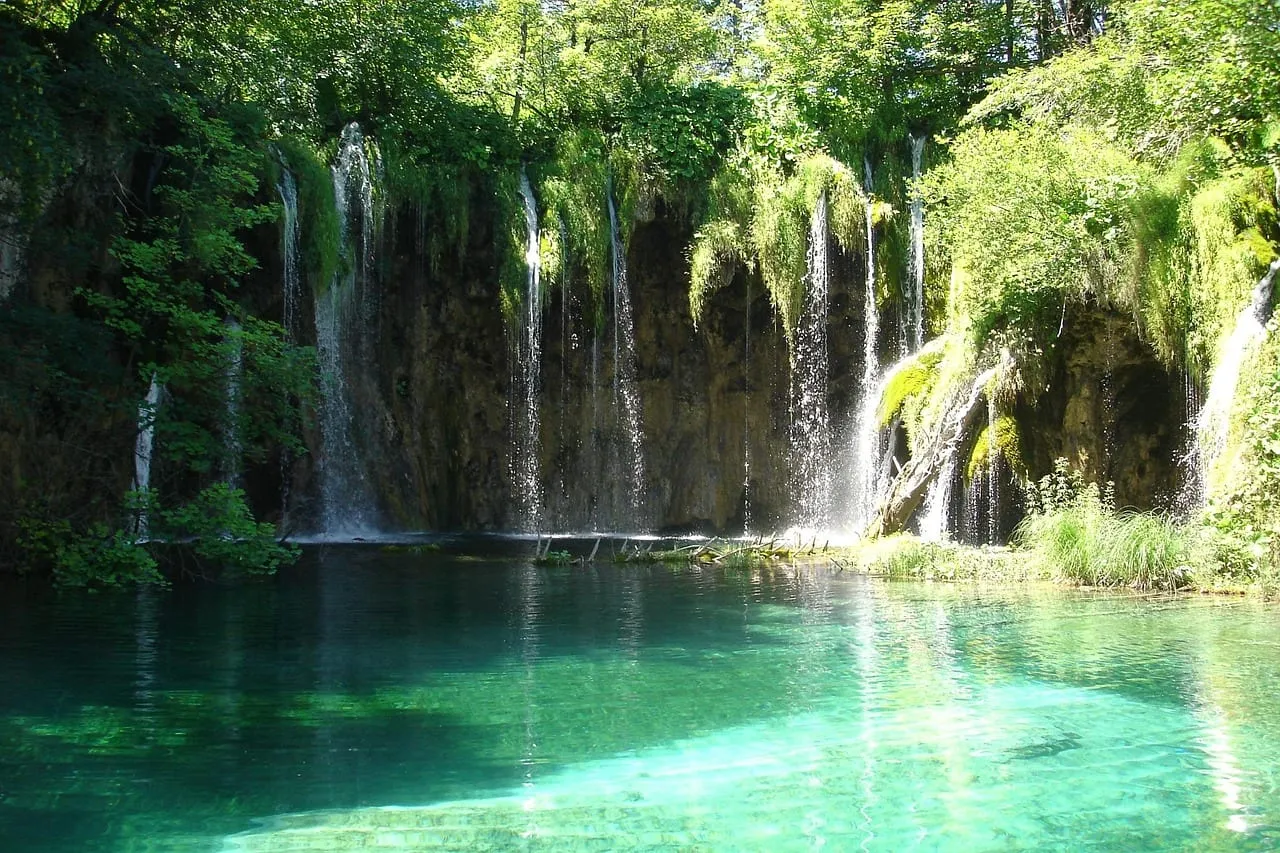
Plitvice Lakes National Park
Plitvička Jezera, Croatia
Terraced turquoise lakes and waterfalls on boardwalks, in Croatia's oldest national park.
- From
- €10 adult
- Time needed
- 3–4 hours for the Lower Lakes (route B or F); 5–6 hours for both lake groups (route C or H)
Visiting sights in Croatia
Passes and seasonal prices
There is no national pass. Dubrovnik sells its own Dubrovnik Pass: €40 for one day, the same as a city walls ticket, adding Fort Lovrijenac, the Rector's Palace, several other museums and 24 hours of city buses; €50 for three days and €60 for seven (October 2026). National parks price by season. At Plitvice an adult pays €40 from June to September, €25 after 16:00 in summer, €23 in April, May and October and €10 from November to March (2026). Students with any university's card pay less, and under-7s enter free. Croatia has used the euro since 1 January 2023, so prices are in euros everywhere.
Getting between the sights
Buses are the backbone: a dense coach network links Zagreb, Zadar, Split and Dubrovnik, and on most routes they are faster than trains. FlixBus runs Zagreb to Plitvice in about 1 hour 50 minutes from about €14, and Split to Dubrovnik in about 3 hours 10 minutes, eight times a day (October 2026). No passenger trains reach Dubrovnik. Jadrolinija ferries and catamarans link Split, Dubrovnik and the islands, with seasonal timetables. By car, the A1 motorway runs from Zagreb towards the coast, and the Pelješac Bridge now takes you to Dubrovnik without crossing into Bosnia and Herzegovina. Dipped headlights are compulsory from 1 November to 31 March.
Money, payment and customs
Debit and credit cards are accepted almost everywhere, though not American Express. Plitvice takes cash or cards at its ticket desks, but its online shop only cards. Use bank cash machines rather than Euronet-type machines, which charge high fees. Service is not included, so tips are usual but small: round up for drinks, 5–10% for a meal, and carry small coins if you pay by card. Old kuna notes are no longer spent but can still be changed at the Croatian National Bank. In Split, Dubrovnik and other town centres you can be fined on the spot for walking about in swimwear or shirtless, drinking in public or climbing on monuments.
Seasons, holidays and crowds
July and August are the hottest and busiest months, when Plitvice's boardwalks and Dubrovnik's walls are crowded from mid-morning. May, June, September and October are milder, with full opening hours. Winter is cheap and quiet, but at Plitvice usually only the Lower Lakes are open, and many coastal ferries and tours run reduced timetables. Dubrovnik caps cruise ships at two a day, each staying at least eight hours, and plans the schedule nearly two years ahead, so check the port authority's arrivals list. Summers are hot and dry with frequent wildfires; outdoor fires and barbecues are banned from 1 June to 31 October except in designated places.
Scams and problems to know about
Resellers sell the official Plitvice ticket and Dubrovnik Pass at a markup: the parks' and city's own sites are np-plitvicka-jezera.hr and dubrovnikpass.com, and anything well above the official price is resale. Some cheap day tours to Plitvice leave out the park ticket, which you then pay on the day. In Dubrovnik's Old Town restaurants fish is priced by the kilo: ask the weight and final price first. The Foreign Office warns of pickpockets in tourist areas, of tourists overcharged by thousands of euros at some 'gentlemen's clubs', and of unexploded mines in some former war areas, including remote parts of Plitvice: stay on marked paths.
Also worth the trip
Not on Sightsale yet, but worth knowing about.
Diocletian's Palace, Split
A Roman emperor's retirement palace whose walls now hold a living old town of streets, shops and homes, free to wander.
Krka National Park
A river valley of waterfalls and pools near Šibenik, on the coast between Zadar and Split.
Pula Arena
A well-preserved Roman amphitheatre in Pula, the main town of Istria.
Hvar
An island town with a Venetian harbour and a hilltop fortress, reached by catamaran or ferry from Split.
Questions people ask about visiting Croatia
Is the Dubrovnik Pass worth it?
Yes, for most adults: the one-day pass costs €40, the same as a city walls ticket, and adds the Rector's Palace, several museums and 24 hours of city buses. The three-day pass is €50 and the seven-day €60 (October 2026).
Does Croatia use the euro?
Yes, since 1 January 2023, when it replaced the kuna. Cards are accepted almost everywhere except American Express, and bank cash machines are cheaper to use than independent ones.
How do you get around Croatia without a car?
By bus between the cities and parks, and by ferry or catamaran to the islands. Zagreb to Plitvice takes about 1 hour 50 minutes by bus and Split to Dubrovnik about 3 hours 10 minutes (October 2026); there are no passenger trains to Dubrovnik.
When is the best time to visit Croatia?
May, June, September and October, when the parks and walls keep long hours without the July and August heat and crowds. Plitvice is cheapest from November to March (€10 for an adult in 2026), but usually only the Lower Lakes are open then.
Can you wear swimwear in Dubrovnik or Split old town?
No. Several town centres, including Split and Dubrovnik, fine people on the spot for walking about in swimwear or shirtless, drinking in public or climbing on monuments. Cover up when you leave the beach.
Sources for this page (14)
- Dubrovnik Pass: prices and what is included (accessed 7 October 2026)
- Plitvice Lakes National Park: price list 2026 (accessed 7 October 2026)
- Plitvice Lakes National Park: FAQ (students, payment) (accessed 7 October 2026)
- European Central Bank: Croatia joins the euro area (1 January 2023) (accessed 7 October 2026)
- FlixBus: Zagreb – Plitvice Lakes (accessed 7 October 2026)
- FlixBus: Split – Dubrovnik (accessed 7 October 2026)
- Jadrolinija (national ferry company) (accessed 7 October 2026)
- Dubrovnik Tourist Board: arrival (ferries, Pelješac Bridge, buses) (accessed 7 October 2026)
- Dubrovnik Port Authority: Dubrovnik successfully manages its cruise season (2026) (accessed 7 October 2026)
- Croatia Traveller: dining in Dubrovnik (fish priced by the kilo) (accessed 7 October 2026)
- Croatia Week: Dubrovnik announces moves to stop overtourism (two ships a day) (accessed 7 October 2026)
- UK FCDO travel advice: Croatia, safety and security (accessed 7 October 2026)
- Novi list: fines for improper clothing in Dubrovnik's historic core (2022) (accessed 7 October 2026)
- Wikivoyage: Croatia (buses, trains, money, tipping) (accessed 7 October 2026)