Sights in Egypt
Egypt's great sights stretch along the Nile from the Pyramids of Giza and the museums of Cairo to the temples and tombs of Luxor, Aswan and Abu Simbel, and nearly all of them are run by the Ministry of Tourism and Antiquities. Tickets are increasingly electronic and paid by card, foreigners pay much more than Egyptians, and tipping (baksheesh) is part of almost every visit, so carry small notes as well as a bank card.
Checked 6 October 2026
Our sight guides for Egypt
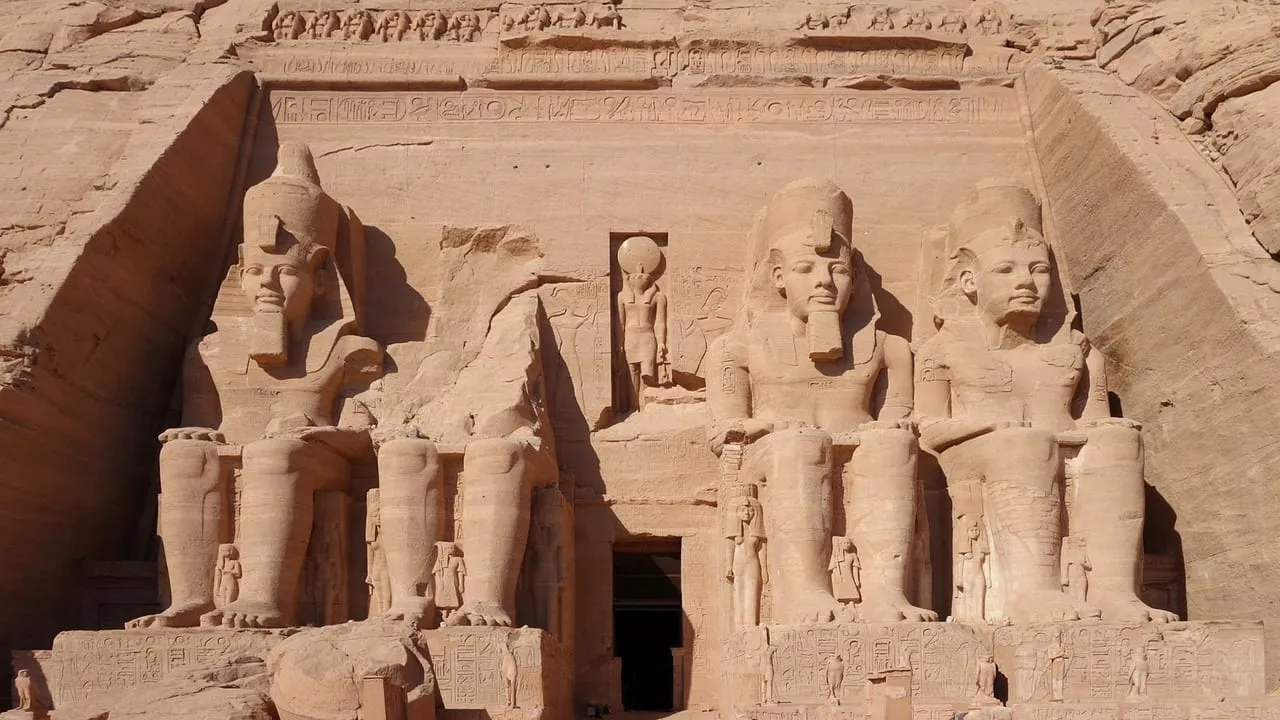
Abu Simbel temples
Abu Simbel (Aswan Governorate), Egypt
Ramesses II's two rock-cut temples on Lake Nasser, moved block by block in the 1960s.
- From
- EGP 822 foreign adult; EGP 445.5 student up to 24; under 6 free(€14 · €8)
- Time needed
- 1.5–2 hours on site; a 10–12 hour day from Aswan by road, about 6 hours by air
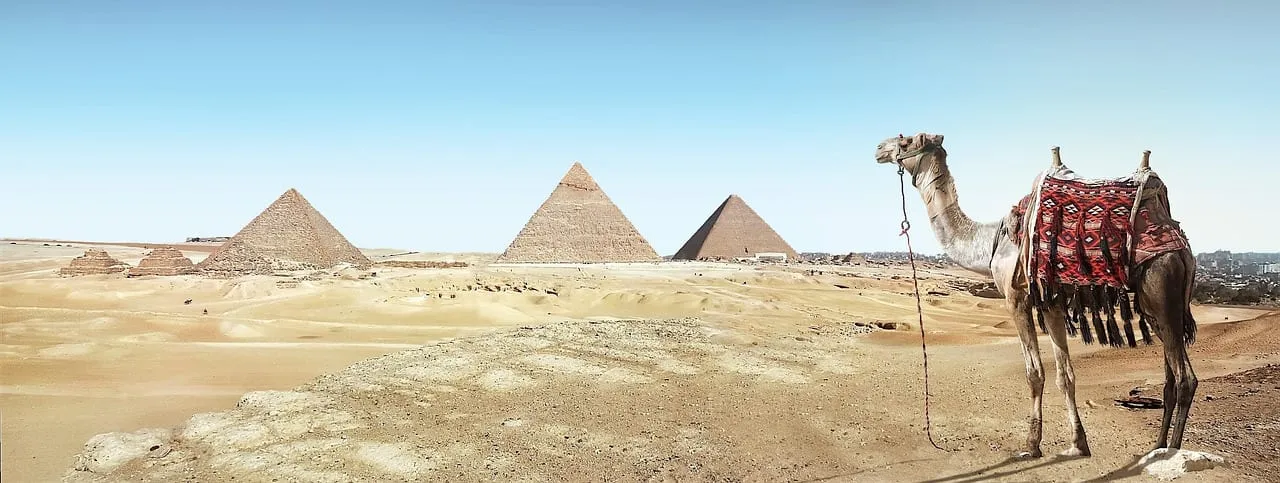
Grand Egyptian Museum
Giza, Egypt
Tutankhamun's complete treasure and Khufu's boat, 2 km from the pyramids.
- From
- EGP 1,570 foreign adult; EGP 790 students(€27 · €13)
- Time needed
- 3–4 hours for the highlights; a full day for Tutankhamun and all the main galleries
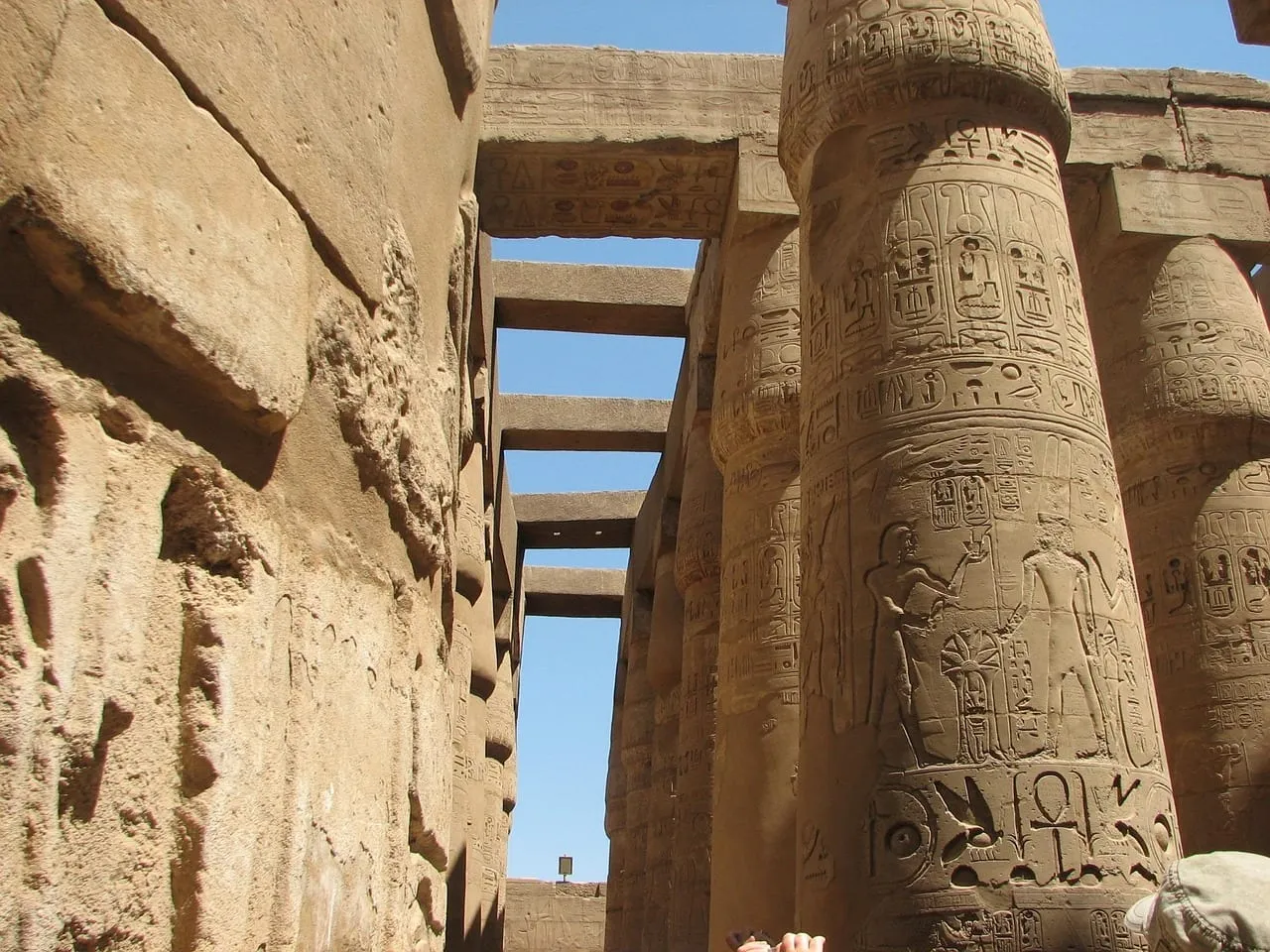
Karnak Temple Complex
Luxor (East Bank), Egypt
Two thousand years of pharaohs' building in one vast temple city, with a forest of giant columns.
- From
- EGP 600(€10)
- Time needed
- 2–3 hours; half a day with Luxor Temple

Philae Temple
Aswan, Egypt
The island temple of Isis near Aswan, moved stone by stone and reached only by boat.
- From
- EGP 550 foreign adult; EGP 275 student up to 24; under 6 free; plus the boat(€9 · €5)
- Time needed
- 1–2 hours on the island; about 3 hours from Aswan including taxi and boat

Pyramids of Giza
Giza, Egypt
The last standing Wonder of the Ancient World, with the Sphinx and the new Grand Egyptian Museum next door.
- From
- EGP 700 plateau(€12)
- Time needed
- 3–4 hours for the plateau; a full day with the Grand Egyptian Museum
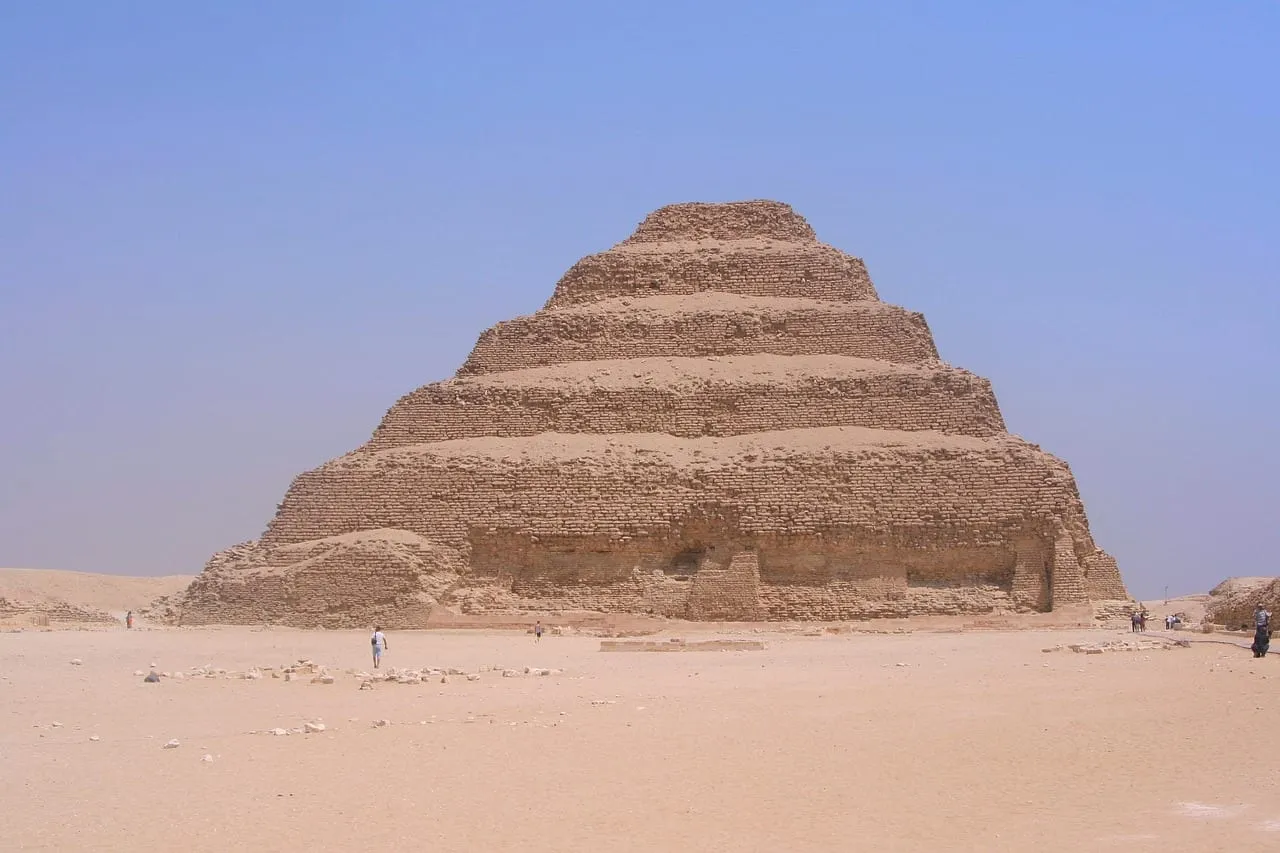 Hidden gem
Saqqara
Saqqara, Egypt
Djoser's Step Pyramid, the first pyramid, and painted tombs without the Giza crowds.
- From
- EGP 600(€10)
- Time needed
- 2–3 hours for Saqqara; a full day with Dahshur and Memphis

Valley of the Kings
Luxor (West Bank), Egypt
The painted rock-cut tombs of Egypt's New Kingdom pharaohs, Tutankhamun's among them.
- From
- EGP 750(€13)
- Time needed
- 2 hours for three tombs; about 3 hours with the extra-ticket tombs
Visiting sights in Egypt
E-tickets, prices and passes
The Ministry's official ticket platform is egymonuments.com (also the Experience Egypt app); by August 2026 its e-ticketing covered 112 museums and sites, with card-only self-service machines and electronic gates at Giza and Saqqara. Foreign adult prices in October 2026: Giza Pyramids plateau EGP 700, Karnak EGP 600, the Egyptian Museum in Tahrir EGP 550, Abu Simbel EGP 822 (EGP 1,272 on the 22 February and 22 October sun festivals). Tickets are dated and non-refundable. The Grand Egyptian Museum sells its own name-bound tickets only on visit-gem.com. The Ministry's Cairo Pass and Luxor Pass, five-day passes for foreigners bought at major site counters with a passport photo, were last listed at $130 and $130–250.
Free entry and discounts
Children under 6 enter Ministry sites free. Foreign students pay half price with a valid student card, provided they are no older than 24 (Giza EGP 350, Karnak EGP 300 in October 2026). Photography with a mobile phone is free at Ministry sites; professional equipment needs a permit. The Cairo Pass and Luxor Pass can save money for a busy itinerary: in the Ministry's last published list (2023) the Cairo Pass cost $130 (students $70), the Luxor Pass $130, or $250 with the tombs of Seti I and Nefertari, and buying the second pass in the same calendar year halved its price. Confirm the current price at the counter before you count on it.
Getting between the sights
The main railway follows the Nile from Cairo to Luxor and Aswan, with daytime and overnight trains; the sleeper between Cairo, Luxor and Aswan is run by the private company Abela, which sells its own tickets online. Luxor to Aswan by day train takes about two to three hours. A Nile cruise between Luxor and Aswan is the classic way to see Edfu and Kom Ombo on the way, with the boat as your hotel. For long-distance buses, buy from the companies' own offices or websites, not from street touts. Careem, inDrive and Uber work in Cairo, Alexandria and Hurghada with fixed fares. Domestic flights from Cairo reach Luxor, Aswan and Abu Simbel and are often the easiest option for long hops.
Dress codes, tipping and customs
Dress modestly, especially at mosques, in souqs and in rural areas: women are best covering arms and legs, though there is no need to cover your hair in the street. Take off your shoes before entering a mosque; socks are fine. During Ramadan, avoid eating, drinking or smoking in public in daylight, and expect shorter site hours (the Giza plateau opens 08:00 with last entry at 15:30). Tipping is woven into daily life: toilet attendants expect EGP 3–5 (up to EGP 10 at major sites), and drivers, guides and cruise crews are tipped at the end. Don't tip police or officials. Ask before photographing people; Ministry rules require an Egyptian's permission, and photographing children or military sites is prohibited.
Seasons, holidays and heat
November to March is the most comfortable time to travel and the main season, with mild days and cool nights; December to February are the coolest months. Summer is hot, rainless and fiercely sunny, especially in Luxor and Aswan, so visit outdoor sites from opening time (06:00 at Karnak and Abu Simbel, 07:00 at Giza) and avoid direct sun from late morning to mid-afternoon. March to May can bring sandstorms. Arrive at least an hour before closing, since last entry is usually 16:00. Ramadan moves about 11 days earlier each year and brings shorter hours at sites and in shops, with lively evenings after sunset.
Scams, touts and official advice
Buy tickets only on egymonuments.com, at the gate or, for the Grand Egyptian Museum, on visit-gem.com: in December 2025 the Ministry had a fake GEM ticket site shut down. At airports you don't need a visa agent; the visa on arrival is $30 in cash at the kiosks before immigration, or apply in advance at visa2egypt.gov.eg. The FCDO notes scammers and touts targeting foreigners at tourist sites: agree the price of any camel, horse or carriage ride, guide or 'help' before you start. Report problems to the tourist police on 126. The FCDO advises against all travel to North Sinai and near the Libyan border, but the Nile Valley sights, including Luxor, Aswan and Abu Simbel, are outside those areas.
Questions people ask about visiting Egypt
How do I buy tickets for Egyptian monuments?
On the Ministry of Tourism and Antiquities' official platform, egymonuments.com, or its Experience Egypt app, or at the site. Visa and Mastercard are accepted on all channels, including on-site counters and self-service machines. Tickets are dated and non-refundable, so choose your day carefully.
How much does it cost to visit the Pyramids of Giza?
A foreign adult pays EGP 700 for the plateau and students EGP 350 (October 2026), with extra tickets to go inside the pyramids. Children under 6 are free, and mobile phone photography is free.
Is the Luxor Pass worth it?
It can be if you plan to see many sites, especially the tombs of Seti I and Nefertari. The Ministry's last published price list (2023) put the Luxor Pass at $130, or $250 including those two tombs, valid for five days and bought at the Karnak or Valley of the Kings counters with a passport copy and photo. Check the current price before buying, since ticket prices have risen since.
How much should I tip in Egypt?
Small amounts, often. Toilet attendants expect around EGP 3–5, up to EGP 10 at major tourist sites, and drivers, guides and Nile cruise crews are tipped at the end of a trip. Tipping police or officials is not appropriate, and you should not let anyone pressure you into tipping for help you didn't ask for.
When is the best time to visit Egypt?
November to March, when days are mild and the sun is gentler; it is also peak season. Summer is very hot, especially in Luxor and Aswan, so if you go then, visit sites at opening time and rest through the middle of the day.
Sources for this page (13)
- EgyMonuments (Ministry of Tourism and Antiquities): FAQ (accessed 6 October 2026)
- EgyMonuments: Giza Pyramids (accessed 6 October 2026)
- EgyMonuments: Karnak Temple (accessed 6 October 2026)
- EgyMonuments: Egyptian Museum (accessed 6 October 2026)
- EgyMonuments: Abu Simbel Temple (accessed 6 October 2026)
- Ministry of Tourism and Antiquities: Cairo Pass and Luxor Pass permits (last update 2023, PDF) (accessed 6 October 2026)
- Grand Egyptian Museum: official ticketing website (accessed 6 October 2026)
- Khaleej Times: Egypt expands digital tickets at 112 museums and sites (19 August 2026) (accessed 6 October 2026)
- Khaleej Times: fake Grand Egyptian Museum ticket website shut down (26 December 2025) (accessed 6 October 2026)
- UK FCDO travel advice: Egypt, warnings and insurance (accessed 6 October 2026)
- UK FCDO travel advice: Egypt, safety and security (accessed 6 October 2026)
- UK FCDO travel advice: Egypt, entry requirements (accessed 6 October 2026)
- Wikivoyage: Egypt (accessed 6 October 2026)