A weekend in Málaga
A Moorish fortress, Picasso's home town, sardines grilled on the beach, Córdoba 50 minutes away.
Checked 13 October 2026

Málaga fits a fortress, a Roman theatre, a cathedral and a dozen museums into a centre you can cross on foot in twenty minutes, with the beach and the port on its doorstep. The most useful planning fact: Sunday is the free day. The Alcazaba and Gibralfaro are free from 14:00, the Centre Pompidou, the Russian Museum and the Carmen Thyssen from 16:00, and the Picasso Museum for the last two hours, while the Atarazanas market and most of the old town's shops close.
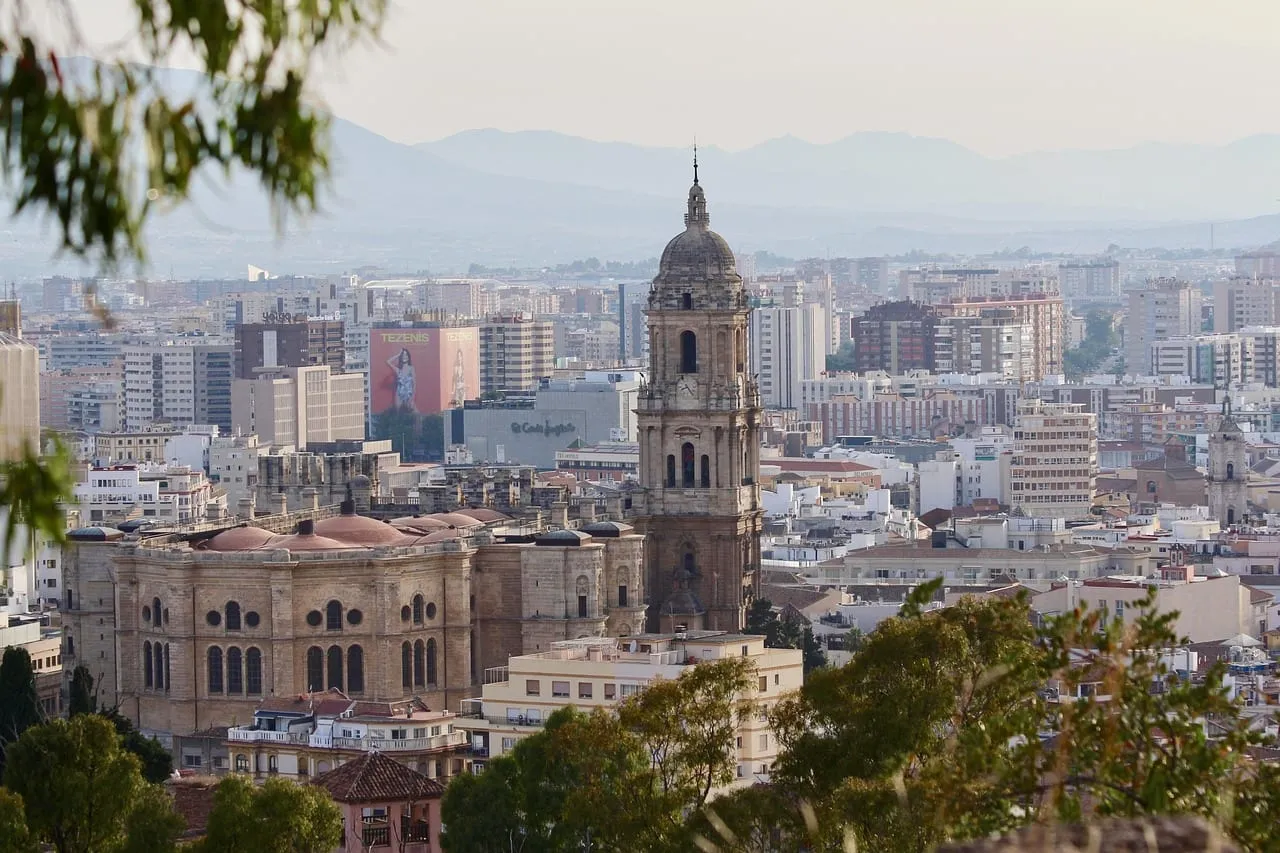
Málaga is a working port city that became a museum city within twenty years. The old town sits between the Alcazaba hill and the dry bed of the Guadalmedina river: the Alcazaba, the Roman theatre at its foot and the Picasso Museum lie within a few minutes of each other on Calle Alcazabilla and Calle San Agustín, with the cathedral, Calle Larios and the Atarazanas market a short walk west. South of the old town, the Paseo del Parque and the Muelle Uno quay lead to the Centre Pompidou's coloured glass cube and La Malagueta, the city beach.
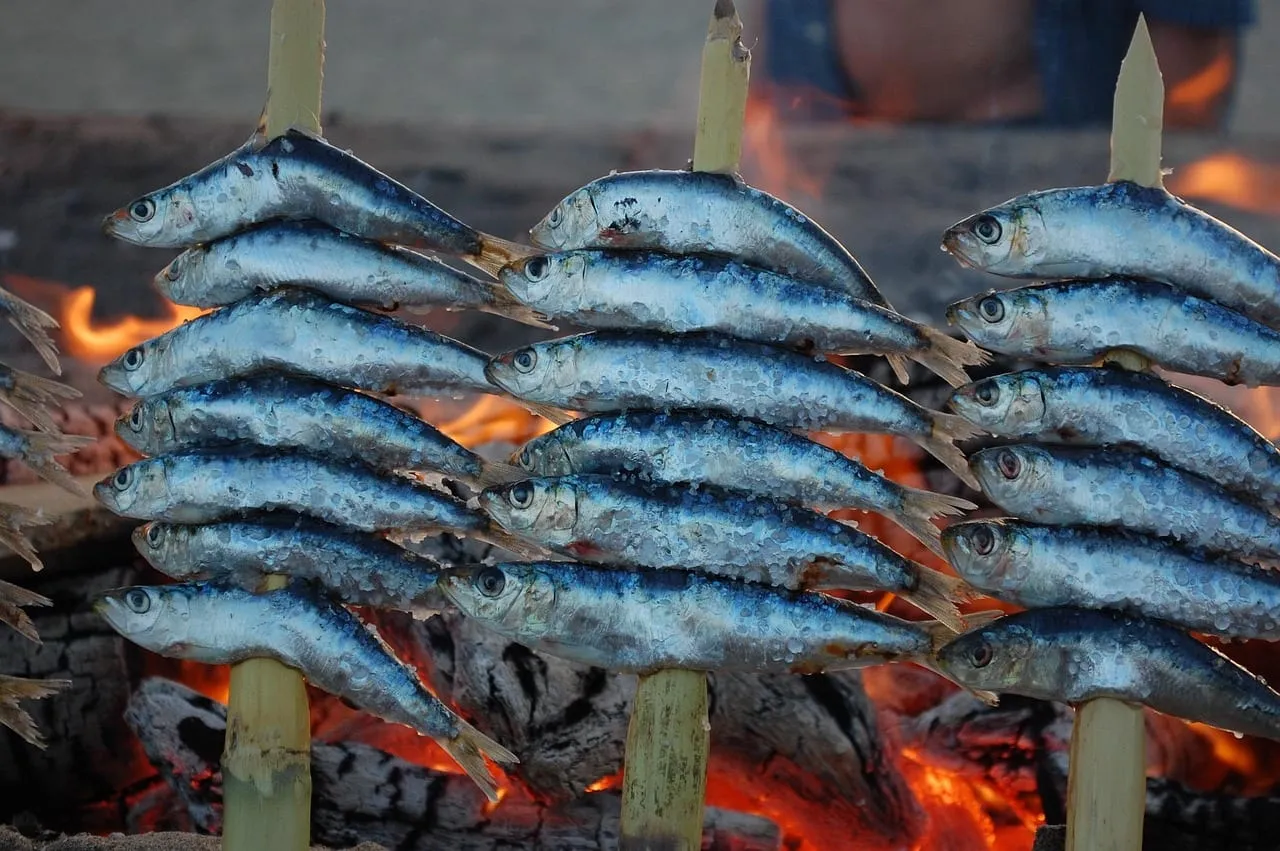
The city eats outdoors and late. Lunch runs from about 13:30, dinner from 20:30, and the old town's bars fill early in the evening. Málaga's own food comes from the sea: espetos (sardines skewered on a cane and grilled over olive wood in a boat full of sand on the beach), fritura malagueña (mixed fried fish: boquerones, squid, red mullet), and the sweet Málaga wine served from the barrel. Breakfast is churros at a market-side café.
A weekend works best if Saturday goes to the paid sights and Sunday to the free hours, with lunch on the beach at Pedregalejo in between. With a third day, take the high-speed train to Córdoba for the Mezquita (about 50 minutes) or walk the Caminito del Rey gorge, which you need to book weeks ahead.
Málaga in two or three days: a plan
Day 1 (best on a Saturday) covers the Alcazaba hill, the Roman theatre, the cathedral and the market, which closes on Sunday. Day 2 (best on a Sunday) uses the free hours: a beach lunch, then the Pompidou from 16:00 and the Picasso Museum for its last two free hours. The third day goes to Córdoba or the Caminito del Rey.
Day 1: the Alcazaba, Gibralfaro, the market and the cathedral
Morning
Be at the Alcazaba when it opens at 9:00 with the €10 combined ticket (Alcazaba and Gibralfaro, bought on the official janto.es shop): an hour in the Moorish palace and gardens. Then walk up the Paseo de Don Juan Temboury to the Gibralfaro castle walls (about 20 minutes uphill) for the view over the port and the bullring, and come back down to the free Roman theatre on Calle Alcazabilla.
Afternoon
Lunch at the bar counters of the Atarazanas market (fried fish, boquerones, a glass of wine; go before 14:00, as the stalls close early afternoon). Then the cathedral (€10 with audio guide; Saturdays until 18:00, last entry 45 minutes before) and a glass of sweet Málaga wine at the Antigua Casa de Guardia on the Alameda.
Evening
Walk across the river into Soho at dusk for the big murals on Calle Tomás Heredia and around the CAC, then tapas in the old town: vermouth and montaditos at Casa Lola on Calle Granada, or the noisier La Tranca on Calle Carretería. For a special night, book Kaleja (closed Sunday and Monday).
Day 2: Sunday, the beach and the free museums
Morning
The Museo Carmen Thyssen (€12, opens 10:00) for 19th-century Andalusian painting in a Renaissance palace, or the Picasso birthplace on Plaza de la Merced (€3). Then walk down the Paseo del Parque to the Muelle Uno quay and the Pompidou cube.
Afternoon
Bus 11 to Pedregalejo (about 20 minutes) for espetos and fried fish on the promenade, at El Cabra or a neighbouring chiringuito; or further east to El Tintero in El Palo, where waiters call out the dishes. Back in the centre by 16:00, when the Centre Pompidou becomes free.
Evening
The Picasso Museum is free for the last two hours on Sundays (17:00–19:00 in September and October, 16:00–18:00 from November to February): about 90 minutes is enough for the collection. Finish with a drink on the El Pimpi terraces facing the Alcazaba.
With a third day: Córdoba (or the Caminito del Rey)
Morning
An early high-speed train from María Zambrano to Córdoba (about 50 minutes; book the train ahead). Book a timed Mezquita ticket (€15) on the official shop; on Monday to Saturday the visit between 8:30 and 9:30 is free if you can make the first trains.
Full guide on Sightsale →Afternoon
Lunch in the Judería, then the Roman bridge and the patios of San Basilio. If you booked the Caminito del Rey instead, this is the walk itself: 3–4 hours including the access path, then the shuttle bus back to El Chorro station.
Evening
Back in Málaga by early evening; trains run until about 21:00. Churros are a morning thing here, so save Casa Aranda for breakfast before your train home.
If it rains
Spend the day indoors: the Picasso Museum and its birthplace, the Carmen Thyssen and the Colección del Museo Ruso in the old tobacco factory are all covered; the Atarazanas market is under an iron-and-glass roof.
With children
The Gibralfaro walls, La Malagueta beach and the Pompidou's family space suit children; under-17s get into the Picasso Museum free, under-18s the Pompidou, the Russian Museum and the Thyssen, and under-13s the cathedral. The Caminito del Rey does not admit children under 8.
What to see in Málaga
The big sights
Palace
Alcazaba and Gibralfaro Castle
The 11th-century Moorish palace-fortress climbs the hill above the Roman theatre through gates, patios and fountains; the Gibralfaro castle at the top is mostly walls and ramparts with the widest view of the city and port. Allow an hour for the Alcazaba and an hour for Gibralfaro with the walk between them.
Tip: Free for everyone on Sundays from 14:00; the queue forms from about 13:30. The two are not joined inside: after the Alcazaba, walk up the Paseo de Don Juan Temboury (about 20 minutes) or take bus 35, which runs roughly every 30 minutes.
- Price
- €7 one site, €10 combined; reduced €3/€5 (EU over-65s, students, EYCA card); free under 6 and Sundays from 14:00
- Book ahead
- Not needed; the official online shop is alcazabaygibralfaro.janto.es. Open 9:00–20:00 until 31 October, 9:00–18:00 from 1 November
Official site (opens in a new tab)as of October 2026
Landmark
Roman Theatre
The 1st-century theatre at the foot of the Alcazaba, rediscovered in 1951 under the old Casa de la Cultura. A small interpretation centre explains it, and you can sit on the restored seats. 30 minutes.
Tip: You can see most of it free from Calle Alcazabilla at any hour; go inside on weekdays rather than Sunday, when it closes at 16:00.
- Price
- Free
- Book ahead
- No booking; Tue–Sat 10:00–18:00, Sun 10:00–16:00, closed Monday
Official site (opens in a new tab)as of October 2026
Museum
Museo Picasso Málaga
Picasso's family gave this collection to the city where he was born, shown in the 16th-century Palacio de Buenavista with a calm patio garden; the current hang, 'Structures of Invention', runs until March 2028. 1½ hours. Five minutes away, his birthplace on Plaza de la Merced (Museo Casa Natal, €3, open daily 9:30–20:00) has family objects and early drawings.
Tip: Free every Sunday for the last two hours before closing. Opening hours change with the season: 10:00–19:00 in September and October, 10:00–18:00 from November to February, so the free slot moves too. Tickets are sold online first and at the desk only while some are left, so check the museum's shop for the Sunday slot before you go.
- Price
- €13; €11 over-65s, students under 26 and EYCA card; free under 17 and Sundays for the last two hours
- Book ahead
- Not usually needed; buy on tickets.museopicassomalaga.org for a weekend slot
Official site (opens in a new tab)as of October 2026
Church
Málaga Cathedral
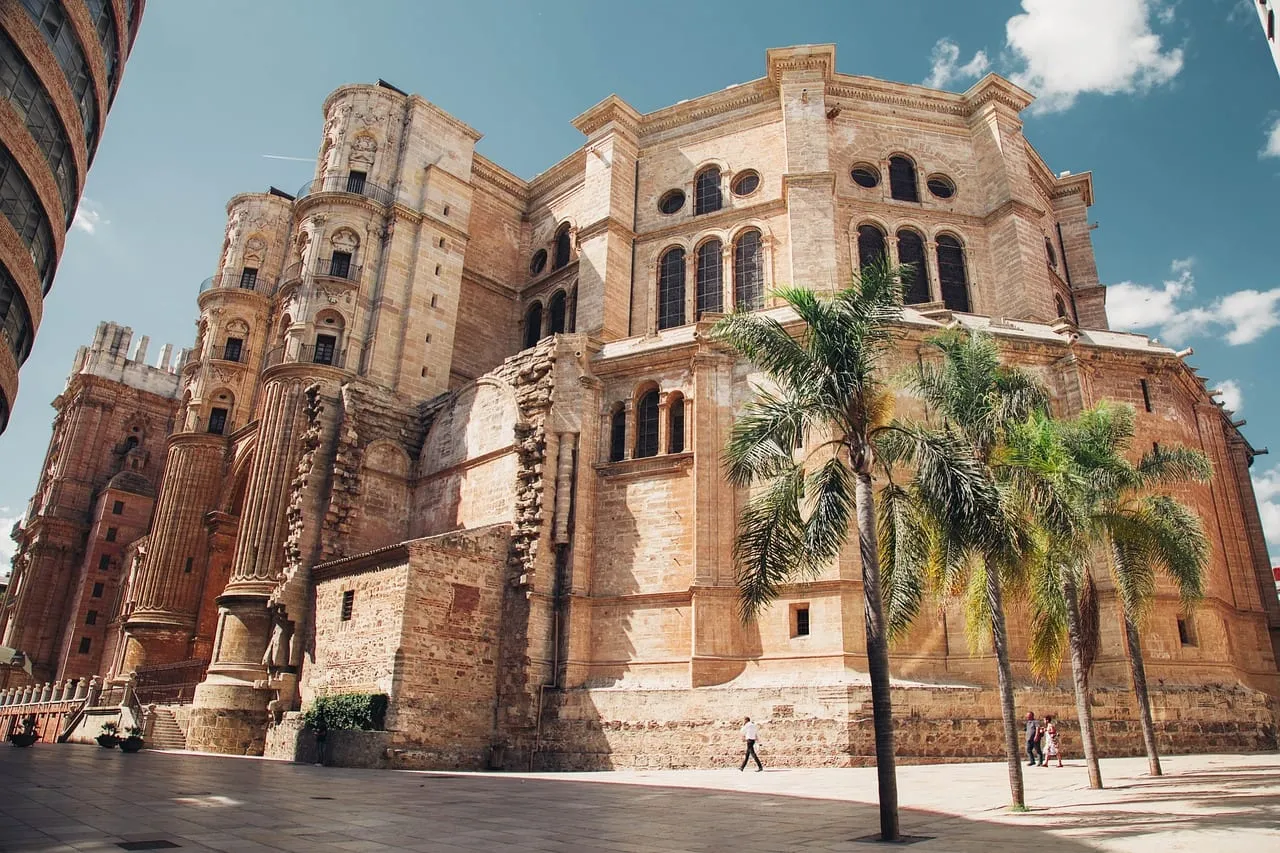
A Renaissance cathedral begun in the 16th century and opened for worship in 1768 with its towers unfinished; the Napoleonic invasion stopped the work, and one tower was never built, which is why locals call it La Manquita, the one-armed lady. The 17th-century carved choir and the side chapels are the highlights. 1 hour with the included audio guide.
Tip: The rooftop tour (Las Cubiertas) is suspended while the roof is being repaired, so skip any ticket that still sells it. You can step inside free from 8:30 to 9:00 before the paid visit opens; the official page also gives Sunday until 9:30 in a second timetable.
- Price
- €10 with audio guide; €9 over-65s, €7 students 18–25, €6 ages 13–17; free under 13
- Book ahead
- Not needed; same price at the door. Mon–Fri from 10:00 or 10:30 (the official page gives both), Sat until 18:00, Sun 14:00–18:00; last entry 45 minutes before closing
Official site (opens in a new tab)as of October 2026
Market
Mercado Central de Atarazanas
The city's main market, a 19th-century iron-and-glass hall behind the marble gateway of the Nasrid shipyard that stood here. Fish, olives, almonds and fruit stalls, plus bar counters where locals eat fried fish and boquerones standing up. 45 minutes, longer with lunch.
Tip: Come in the morning, Monday to Saturday: guides list it as closed on Sunday and the stalls wind down in the early afternoon (the city's page gives no hours). The bars at the back fill from about 13:00.
- Price
- Free
- Book ahead
- No
Official site (opens in a new tab)as of October 2026
Museum
Centre Pompidou Málaga and Muelle Uno
A branch of the Paris Pompidou under the coloured glass cube on the Muelle Uno quay, with a semi-permanent hang of 20th-century and contemporary art and a temporary show. The quay itself is a promenade of shops and restaurants between the old town and La Malagueta beach. 1–1½ hours.
Tip: Free on Sundays from 16:00 to closing. Closed on Tuesdays.
- Price
- €9 combined (€7 collection, €4 temporary show); reduced €5.50; free under 18
- Book ahead
- No; open 9:30–20:00 except Tuesday
Official site (opens in a new tab)as of October 2026
Museum
Museo Carmen Thyssen
Nineteenth-century Spanish painting, strongest on Andalusian landscapes and scenes of daily life, in an old-town palace, with Sorolla among the names. The temporary show '¡Olé!' on the image of Andalusia runs until 21 February 2027. 1½ hours.
Tip: Free on Sundays from 16:00. Closed on Mondays except a few holidays.
- Price
- €12 (€15 with the Roman archaeological site); €8 reduced; free under 18
- Book ahead
- No; Tue–Sun 10:00–20:00
Official site (opens in a new tab)as of October 2026
Experience
Caminito del Rey
A walkway pinned to the walls of the Gaitanes gorge, 60 km north-west of Málaga: 7.7 km one way, north to south, about 3–4 hours including the 2.7 km access path to the checkpoint, where you get a helmet. No children under 8.
Tip: Book only on caminitodelrey.info (the official platform); lookalike sites charge more. By train: Renfe from Málaga María Zambrano to El Chorro (about 50 minutes, about 8 trains a day; Trainline, October 2026), then the shuttle bus (€2.50, cash) up to the start; leave enough time for both connections.
- Price
- €10 general; €18 with an official guide; shuttle €2.50; car park €2
- Book ahead
- Weeks ahead, months for spring weekends; leftover places are sold at the north entrance when available
Official site (opens in a new tab)as of October 2026
Hidden gems
Museum
Colección del Museo Ruso
Hidden gem
Opened as a branch of the Russian Museum in St Petersburg in the old Tabacalera tobacco factory; it now shows its own temporary exhibitions (in October 2026, the composer Mikhail Glinka and the photographer Valery Katsuba). Quiet, and rarely busy.
Tip: Free on Sundays from 16:00. Closed on Mondays. It is 2 km west of the centre on Avenida Sor Teresa Prat; bus or a 30-minute walk along the seafront.
- Price
- €4; €8 with the MEET exhibition space next door; free under 18
- Book ahead
- No
Official site (opens in a new tab)as of October 2026
Garden
Cementerio Inglés (English Cemetery)
Hidden gem
The oldest Protestant cemetery in mainland Spain (1831), a walled garden of cypresses, bougainvillea and 19th-century tombs of merchants, sailors and writers, ten minutes' walk east of the bullring.
Tip: Open only in the mornings, Tuesday to Sunday 9:00–14:00, with occasional guided tours announced on its site.
- Price
- €5; €4 pensioners and students; free under 12
- Book ahead
- No
Official site (opens in a new tab)as of October 2026
Museum
Museo de Artes y Costumbres Populares
Hidden gem
The 17th-century Mesón de la Victoria, an old inn near the Atarazanas market, its rooms set out with the tools, kitchens, carriages and clay figures of rural and seafaring Málaga. An hour, and a calm courtyard.
Tip: Free on Monday mornings (10:00–14:00), when most other museums are closed.
- Price
- €4; €2 reduced; free under 14
- Book ahead
- No; daily 10:00–14:00 and 16:00–19:00, holidays mornings only
Official site (opens in a new tab)as of October 2026
Garden
Jardín Botánico-Histórico La Concepción
Hidden gem
A 19th-century estate garden in the hills 6 km north of the centre, with tropical and subtropical trees and paths up to a viewpoint over the city. 2 hours.
Tip: Free on Sundays, 14:00–17:30 from October to March and 16:30–20:30 from April to September. Take EMT bus 20 to the end of the line, then walk 15 minutes.
- Price
- €5.20; €3.10 reduced
- Book ahead
- No; Tue–Sun 9:30–17:30 (October–March), until 20:30 April–September; closed Mondays
Official site (opens in a new tab)as of October 2026
Neighbourhood
Soho murals
Hidden gem
The streets between the Alameda and the port were turned into an open-air gallery by the MAUS (Málaga Arte Urbano Soho) project, with large murals by Obey, D*Face, Roa and others on Calle Tomás Heredia, Casas de Campos and around the CAC contemporary art centre. A 45-minute stroll.
Tip: Go in the late afternoon light and end at the CAC, which is free.
- Price
- Free
- Book ahead
- No
Official site (opens in a new tab)as of October 2026
Park
Montes de Málaga
Hidden gem
The pine-covered natural park in the hills behind the city, with walking trails and the Lagar de Torrijos, an old wine estate turned ecomuseum, about 21 km up the A-7000 road towards Colmenar.
Tip: There is no bus or train to the trailheads, so you need a car or a taxi. The Torrijos trail is easy and shaded; carry water.
- Price
- Free
- Book ahead
- No
Official site (opens in a new tab)as of October 2026
Day trips from Málaga
Córdoba
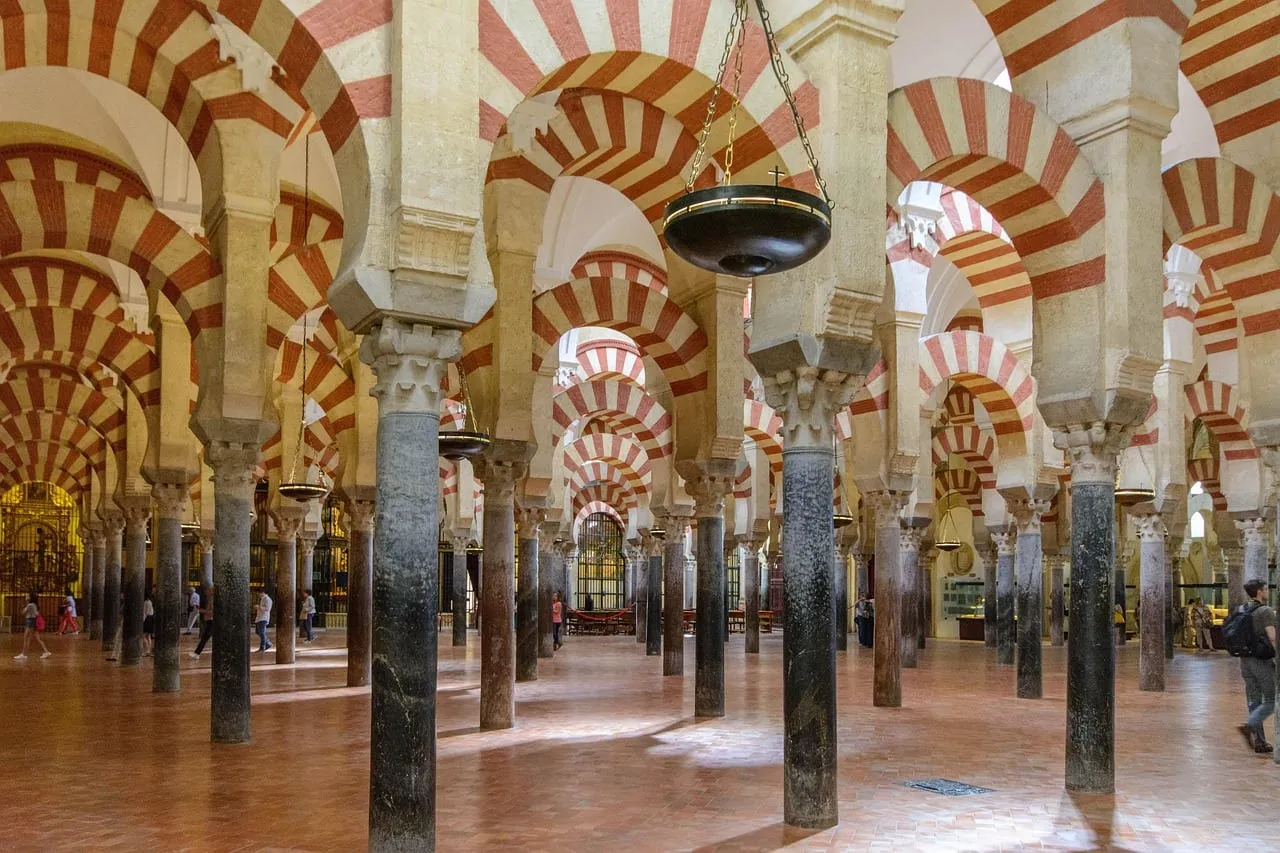
The Mezquita, the great Umayyad mosque turned cathedral, with its forest of red-and-white arches, plus the Jewish quarter, the Roman bridge and the flower-filled patios. The Mezquita takes 1½–2 hours; the town fills the rest of the day.
- Getting there
- High-speed trains from Málaga María Zambrano to Córdoba take about 50 minutes, with about 18 a day from early morning to about 21:00 (Trainline, October 2026). Renfe, iryo and OUIGO all run the line; fares start at about €9 booked ahead and rise close to the day. Buy on the operators' sites or at the station machines. From Córdoba station walk 20–25 minutes or take bus 3 to Puerta del Puente.
- Eat
- Salmorejo (thick cold tomato soup) and flamenquín in the taverns of the Judería; book nothing, but eat before 14:00 to beat the day-trip groups.
- Tip
- Book the €15 Mezquita ticket for a set time on the official shop. Monday to Saturday the visit from 8:30 to 9:30 is free, but you have to be inside by 9:20, which means one of the first trains.
Full guide on Sightsale →tickets.mezquita-catedraldecordoba.es (opens in a new tab)as of October 2026
Nerja and the Nerja Caves
A white town on cliffs east along the coast, with the Balcón de Europa lookout over small coves, and 4 km further on, the huge Nerja cave with its stalactite halls. Half a day to a full day.
- Getting there
- ALSA buses run from Málaga's bus station (next to María Zambrano) to Nerja more than 45 times a day; journey times vary by service, roughly an hour to an hour and a half, so check the timetable on alsa.com, where you can also buy tickets. The cave is at Maro, 4 km beyond Nerja: some buses stop there, otherwise take a local bus or taxi from Nerja.
- Eat
- Fried fish and espetos at the beach bars below the Balcón de Europa, at Málaga prices.
- Tip
- Cave tickets cost from €16 online (with an audio guide app, the Nerja Museum and a VR room). EU citizens can get a free 9:15 weekday entry: 60 tickets a day, released online at 9:15 two days before.
entradas.cuevadenerja.es (opens in a new tab)as of October 2026
Granada and the Alhambra (a long day)
The Alhambra's Nasrid Palaces, Generalife gardens and Alcazaba above Granada. This is beyond an easy day trip: count on 3–4 hours inside, plus at least three hours on the road, so leave early and expect to be back late.
- Getting there
- ALSA buses from Málaga's bus station take 1 hour 30 minutes on the direct services (up to 2 hours 30 with stops), about 40 a day, from €8. The train is slower, with a change at Antequera. In Granada take bus C30 or C32 up to the Alhambra.
- Eat
- Have lunch in the centre on the way down from the hill, before your bus back.
- Tip
- Alhambra tickets (€22.27, official site only) sell out weeks ahead and carry your name and ID number: book as soon as your dates are fixed, and fit the bus around your half-hour Nasrid Palaces slot, not the other way round.
Full guide on Sightsale →tickets.alhambra-patronato.es (opens in a new tab)as of October 2026
Where to eat in Málaga
Málaga eats lunch from about 13:30 and dinner from 20:30, and its own food comes from the bay: espetos de sardinas grilled on the beach, fritura malagueña (mixed fried fish), boquerones (fresh anchovies, fried or in vinegar) and porra antequerana, a thick cold tomato soup. Drink sweet Málaga wine from the barrel or a vermouth on tap. Tapas bars rarely take bookings; beach restaurants take them for weekend lunch; the two Michelin-starred places need booking well ahead.
Bodega (classic)
€€El Pimpi
Calle Granada / Calle Alcazabilla, facing the Roman theatre
A rambling bodega in an 18th-century house, open as a bar since 1971, with barrels signed by famous visitors and terraces looking at the Alcazaba. It is on every visitor's list and the food is ordinary for the price; go for a glass of Málaga wine and the view, not for dinner.
Booking: Book online for a terrace table at dinner; the bar takes walk-ins
elpimpi.com (opens in a new tab)as of October 2026
Wine bar (classic)
€Antigua Casa de Guardia
Alameda Principal 18
A tavern founded in 1840 that serves Málaga wines straight from the barrel, from bone-dry to raisin-sweet, with shellfish and pickles at the counter.
Booking: No bookings; Mon–Thu 10:00–22:00, Fri–Sat to 22:45, Sun 11:00–15:00
antiguacasadeguardia.com (opens in a new tab)as of October 2026
Tapas bar
€Casa Lola
Calle Granada 46, old town
A busy tiled tavern for vermouth on tap, pintxos, montaditos (small open sandwiches) and generous plates from the casa de comidas menu. The group now has several bars in the centre; the original on Calle Granada is the one with the queue.
Booking: Walk in at the original (daily 12:00–23:30); the Uncibay and Strachan branches take online bookings
tabernacasalola.com (opens in a new tab)as of October 2026
Tapas bar
€La Tranca
Calle Carretería 92, near the Mercado de la Merced
A small, loud tasca where locals spill into the street with a beer and cheap tapas. Go for the atmosphere and a quick bite rather than a meal.
Booking: No bookings; busiest after 21:00
latranca.es (opens in a new tab)as of October 2026
Market
€Atarazanas market bars
Calle Atarazanas 10
The bar counters inside the market fry fish and seafood bought from the stalls a few metres away; order boquerones, chopitos (baby squid) and a glass of white, standing.
Booking: No bookings; Monday to Saturday, late morning to early afternoon, closed Sunday (according to guides)
visita.malaga.eu (opens in a new tab)as of October 2026
Fried fish restaurant
€€Los Mellizos
Calle Sancha de Lara 7, by the Plaza de la Marina
A Málaga seafood group whose centre branch has a tapas bar and a dining room for pescaíto frito (fried fish), rice dishes and shellfish; order half portions at the bar to try several fish.
Booking: Book for the dining room at weekends; the bar is walk-in
losmellizos.net (opens in a new tab)as of October 2026
Beach restaurant (espetos)
€€El Cabra Ovidio Playa
Paseo Marítimo de Pedregalejo
A Pedregalejo beach restaurant since 1965, renovated and reopened in April 2025, with sardine espetos grilled over olive wood on the sand, fried fish and rice dishes on a two-level terrace. Open daily 12:00–23:00.
Booking: Book for Saturday and Sunday lunch; bus 11 from the Paseo del Parque
planomato.com (opens in a new tab)as of October 2026
Beach restaurant
€€El Tintero
Playa del Dedo, El Palo
Waiters walk the terrace calling out the dishes they carry (espetos, fried fish, clams) and you raise a hand to claim one; the bill is counted from your plates. Noisy, fun, and not the cheapest fish in El Palo.
Booking: No bookings; weekends are busiest, go on a weekday or early
andaluciainforma.eldiario.es (opens in a new tab)as of October 2026
Churrería
€Casa Aranda
Calle Herrería del Rey 3, by the Atarazanas market
The city's classic churros-and-chocolate café, spread over several small shops in a narrow lane by the market. Order churros with a cup of thick chocolate or a coffee.
Booking: No bookings; mornings from 8:00 and some afternoons, so check before you go
tablejourney.com (opens in a new tab)as of October 2026
Restaurant (1 Michelin star)
€€€Kaleja
Calle Marquesa de Moya 9, near the Picasso Museum
Old Andalusian recipes cooked over embers and slow coals, in a long tasting menu or a short à la carte (a minimum number of dishes). One Michelin star.
Booking: Book weeks ahead; closed Sunday and Monday
guide.michelin.com (opens in a new tab)as of October 2026
Restaurant (1 Michelin star)
€€€€José Carlos García
Calle Vélez Málaga 8, La Malagueta
After 15 years in the port, the restaurant moved to a smaller room in La Malagueta near the Pompidou: a tasting menu built on Málaga produce (€159.50) or, now, an à la carte. One Michelin star.
Booking: Book weeks ahead and check opening days: its own site gives Monday to Saturday, the Michelin Guide lists it closed on Sunday and Monday
restaurantejcg.com (opens in a new tab)as of October 2026
Where to stay in Málaga for a weekend
For a weekend, stay in the old town between Calle Larios and the Alcazaba, so that everything is on foot. La Malagueta suits a beach-and-museum weekend; Soho is cheaper and five minutes from the centre.
The best areas
Centro Histórico
The old town around the cathedral, Calle Larios and Plaza de la Merced: everything within ten minutes' walk, lively at night, pedestrian and noisy on weekend nights. For first-timers.
Soho
The grid between the Alameda and the port, with the murals, the CAC and newer hotels. A few minutes from Calle Larios and closer to the bus and train stations; a little cheaper.
La Malagueta
The seafront beyond the bullring, by the beach and the Muelle Uno quay, 10–15 minutes' walk from the cathedral. For a weekend that mixes museums and the beach; quieter at night.
Pedregalejo and El Palo
The old fishing quarters 4–6 km east, with beach restaurants and a local feel. Only if you want the sea first and are happy to take bus 11 or a taxi into town.
Hotels with character
Paseo de Reding, La Malagueta
€€€€Gran Hotel Miramar
A seafront palace hotel celebrating its centenary, with a spa and pool, between the beach and the old town. For a special-occasion weekend.
from about €300 a night midweek; €660 for a two-night weekend minimum (double, mid-November 2026, Booking.com)
granhotelmiramarmalaga.com (opens in a new tab)as of October 2026
Calle Granada, old town
€€€Palacio Solecio
An 18th-century Andalusian palace facing the church of Santiago, a few steps from the Picasso Museum, with a newer wing, a cocktail bar and a terrace. For history in the middle of everything.
from about €400 a night (double, a Friday in mid-November 2026, Booking.com)
palaciosolecio.com (opens in a new tab)as of October 2026
Calle Molina Lario, by the cathedral
€€€Catalonia Molina Lario
A 19th-century building beside the cathedral with a rooftop pool and bar looking at the port and the cathedral; some junior suites have cathedral views from the balcony.
from about €280 a night (double, a Friday in mid-November 2026, Booking.com); the hotel's site quotes from €149
hotelmolinalario.com (opens in a new tab)as of October 2026
Soho, near the port
€€Room Mate Collection Valeria
A design hotel with a rooftop pool and terrace looking over the sea and the city, a few minutes from Calle Larios.
from about €240 a night (double, a Friday in mid-November 2026, Booking.com)
room-matehotels.com (opens in a new tab)as of October 2026
Old town, near Calle Larios
€Hostal Vidamia
A guesthouse in a restored 19th-century building, seven minutes' walk from the cathedral and the Picasso Museum, with simple air-conditioned rooms and private bathrooms (the cheapest double has bunk beds and a bathroom across the corridor).
from about €85 a night (double, a Friday in mid-November 2026, Booking.com)
booking.com (opens in a new tab)as of October 2026
Málaga passes, free days and deals
No pass pays off for a weekend in Málaga: the sights are cheap and almost every museum is free on Sunday afternoon. Pay as you go, buy the €10 Alcazaba–Gibralfaro combined ticket, and plan Sunday around the free hours.
Sunday free hours
Alcazaba and Gibralfaro from 14:00; Centre Pompidou, Colección del Museo Ruso and Carmen Thyssen from 16:00; Picasso Museum for the last two hours; Jardín Botánico 14:00–17:30 (October–March). On weekdays: cathedral 8:30–9:00, Museo de Artes y Costumbres Populares on Monday mornings. The Roman theatre is always free.
Alcazaba and Gibralfaro combined ticket, €10
Both monuments for €10 instead of €14 separately; reduced €5. Valid for one visit to each, the same day.
Bono Arte Xperience, €16.50
One week's entry to the Casa Natal Picasso, the Centre Pompidou and the Colección del Museo Ruso. Bought separately they cost €3 + €9 + €4 = €16, so it saves nothing at full price; skip it.
Málaga Pass
A city card sold as 24-hour, 48-hour, 72-hour and one-week passes with museum entry and discounts. Its site does not show prices before checkout; with entry fees of €4–13 and Sunday free hours, it is hard to make it pay off in a weekend.
EMT bus fares
A single ride costs €1.40 (cash, contactless card or QR ticket) and does not include a transfer; the 10-ride transfer card costs €5 and allows free changes between EMT buses within an hour. The airport Express bus is €4.
Getting around Málaga
- From the airport: Cercanías line C1 runs from the airport station to María Zambrano (8 minutes) and Málaga Centro-Alameda (12 minutes) roughly every 20 minutes; a single costs €1.80 and you can tap a bank card at the gates. The EMT Express bus A runs to the Paseo del Parque every 20–25 minutes at peak times for €4 (cash or card on board). Taxis have a minimum fare of €17.37 on weekdays 6:00–22:00 and more at night and weekends.
- On foot: the old town, the Alcazaba, the port and La Malagueta beach are all within about 20 minutes' walk of each other; most of the centre is pedestrian.
- City buses (EMT): €1.40 a ride. Bus 11 runs along the coast to Pedregalejo and El Palo, bus 35 climbs to the Gibralfaro castle about every 30 minutes, and bus 20 goes towards the botanical garden.
- Trains along the coast: the C1 continues past the airport to Torremolinos, Benalmádena and Fuengirola (about 34 minutes from the airport, the longest ride €3.60).
- Trains and buses out of town: high-speed trains to Córdoba and Antequera-Santa Ana and regional trains to El Chorro leave from María Zambrano; ALSA buses to Nerja, Granada and Ronda leave from the bus station next door.
Tips and tricks
Gathered from travel forums, locals and the sight’s own advice, rewritten in our own words. What worked for others, not a guarantee.
Plan the weekend around Sunday
Sunday afternoon is when Málaga's sights turn free, from 14:00 at the Alcazaba and 16:00 at the Pompidou, Thyssen and Russian Museum. But the Atarazanas market, the Roman theatre (from 16:00) and many shops are closed, so put the market and paid sights on Saturday.
From Official museum websites, 2026
Queue early for the free Alcazaba
Free Sunday entry from 14:00 draws a long line; visitors who arrived ten minutes before found the queue already down the street, while those there by about 13:30 got in quickly. If you'd rather not queue, the €10 combined ticket at 9:00 on a weekday is calmer.
From Visitor blogs, 2026
Mondays are thin
The Carmen Thyssen, the Russian Museum, the Roman theatre, the botanical garden and the English Cemetery close on Mondays, and the Pompidou closes on Tuesdays. The Picasso Museum, the cathedral, the Alcazaba and the Museo de Artes y Costumbres Populares (free on Monday mornings) stay open.
From Official museum websites, 2026
Walk up to Gibralfaro, ride down, or the reverse
The climb from the Alcazaba is steep and shadeless in summer. Bus 35 saves the climb; the walk down past the Mirador de Gibralfaro looks straight down on the bullring and the port.
From Alcazaba y Gibralfaro official site, 2026
If the Caminito del Rey is sold out
The official site sells leftover places at the north entrance ticket office when available, and people without tickets who wait at the checkpoint are sometimes let in on no-shows. Renfe has sold a daily batch of on-the-day combined train-and-entry tickets at Cercanías stations; check before you count on it.
From Caminito del Rey official site; andalucia.com, 2026
Other trips if you have a car or a long day
Antequera, about 20 minutes by high-speed train to Antequera-Santa Ana, has Bronze Age dolmens, and the karst rocks of El Torcal are free to walk (the visitor centre is a taxi ride from town). Ronda is about two hours by train with a change, or by bus: too far for an easy day trip, so stay a night if you go.
From Trainline, 2026; El Torcal visitor site, 2026
Book Easter and August hotels early
Semana Santa (21–28 March 2027) fills the old town with processions and the August fair (15–22 August in 2026; the 2027 dates were not published by October 2026) turns the centre into a street party. Hotel prices rise sharply for both, so book months ahead or avoid those weeks.
From Vivir Ediciones, 2026
Try the Mercado de Salamanca or Merced for a local market
The Salamanca market (1920s, neo-Moorish, about 48 stalls) north of the river and the Merced market beside Plaza de la Merced are where residents shop, with fewer tour groups than Atarazanas.
From Visita Málaga (city tourism), 2026
Scams and problems to watch for
Timeshare and 'holiday club' touts
People on the coast hand out scratch cards or surveys that always 'win' a prize collected at a presentation, which turns out to be a hard sell for a holiday club. A prize that needs your passport, a credit card or a taxi ride is the giveaway.
Flowers, herbs and 'free' gifts
Near the cathedral and the Alcazaba, someone may press a sprig of rosemary or a flower into your hand, then ask for money or offer to read your palm. Don't take anything handed to you.
Taxi detours from the airport
Málaga's taxis are metered with set minimum fares (€17.37 on weekdays 6:00–22:00, more at night and weekends) and supplements, but some drivers take the long way round or claim the meter is broken. Use the official rank outside arrivals, check the meter is running, or take the €1.80 train.
Lookalike ticket sites
Sites with names close to the official ones sell Caminito del Rey, Alcazaba and Alhambra tickets at a mark-up. Book on caminitodelrey.info, alcazabaygibralfaro.janto.es and tickets.alhambra-patronato.es.
Phone snatching on Calle Larios
As in any busy centre, pickpockets work the crowds on Calle Larios, around the Alcazaba and at the stations. Keep your phone in a front pocket and don't hand it to a stranger asking for directions.
Questions people ask about a weekend in Málaga
What is there to do in Málaga in a weekend?
Spend one day on the Alcazaba and Gibralfaro, the Roman theatre, the cathedral and the Atarazanas market, and the other on the Picasso Museum, the Pompidou cube on the port and a lunch of grilled sardines at Pedregalejo. On a Sunday afternoon most of the museums are free. With a third day, go to Córdoba or walk the Caminito del Rey.
Is 2 days enough for Málaga?
Yes for the city itself: the centre is compact and the main sights fit into two full days. Add a third day for Córdoba, Nerja or the Caminito del Rey.
Which museums are free in Málaga?
On Sundays: the Alcazaba and Gibralfaro from 14:00, the Centre Pompidou, the Russian Museum and the Carmen Thyssen from 16:00, and the Picasso Museum for the last two hours. The Roman theatre and the CAC are always free, and the Museo de Artes y Costumbres Populares is free on Monday mornings.
How do I get from Málaga airport to the city centre?
Take the Cercanías C1 train from the airport station to Málaga Centro-Alameda: 12 minutes, €1.80, roughly every 20 minutes, and you can tap a bank card at the gates. The Express bus A (€4) goes to the Paseo del Parque, and a taxi costs at least €17.37.
Do I need to book the Caminito del Rey in advance?
Yes. Official tickets (€10, or €18 with a guide) on caminitodelrey.info sell out weeks ahead, and spring weekends go months ahead. Leftover places are sometimes sold at the north entrance on the day.
What is the best day trip from Málaga?
Córdoba, about 50 minutes by high-speed train, for the Mezquita; the Caminito del Rey gorge walk, if you have booked; or Nerja's cliffs and caves, about an hour or more by bus. Granada's Alhambra is possible but makes a long day of at least three hours' travel, and its tickets sell out weeks ahead.
Where to stay in Málaga for a weekend?
In the old town between Calle Larios and the Alcazaba, so that everything is on foot. La Malagueta suits a beach-and-museum weekend, Soho is a little cheaper, and Pedregalejo is for the sea first.
What to eat in Málaga?
Espetos (sardines grilled on a cane over olive wood) at a beach restaurant in Pedregalejo or El Palo, fritura malagueña (mixed fried fish), boquerones, porra antequerana, churros with chocolate at Casa Aranda, and a glass of sweet Málaga wine from the barrel at the Antigua Casa de Guardia.
More sights in Málaga
Mosque-Cathedral of Córdoba
Córdoba, Spain
An 8th-century mosque with a Renaissance cathedral built into its forest of arches.
- From
- Free Mon–Sat 8:30–9:30; €15 general ticket
- Time needed
- 1½–2 hours; add 30 minutes for the bell tower and an hour for the night visit

Alhambra
Granada, Spain
The Nasrid sultans' hilltop palace-city, with the Generalife gardens above it.
- From
- €22.27
- Time needed
- 3–4 hours; 5 if you linger in the Generalife and the museum