Sights in Morocco
Morocco's great sights run from Casablanca's oceanfront Hassan II Mosque to the gardens, palaces and medina of Marrakech, with Fez, the Roman ruins of Volubilis and the kasbahs of the Atlas within a day's travel. Two things shape most visits: most mosques are closed to non-Muslims, and much of daily life still runs on cash in dirhams, so carry small notes and agree every price before the service.
Checked 7 October 2026
Our sight guides for Morocco
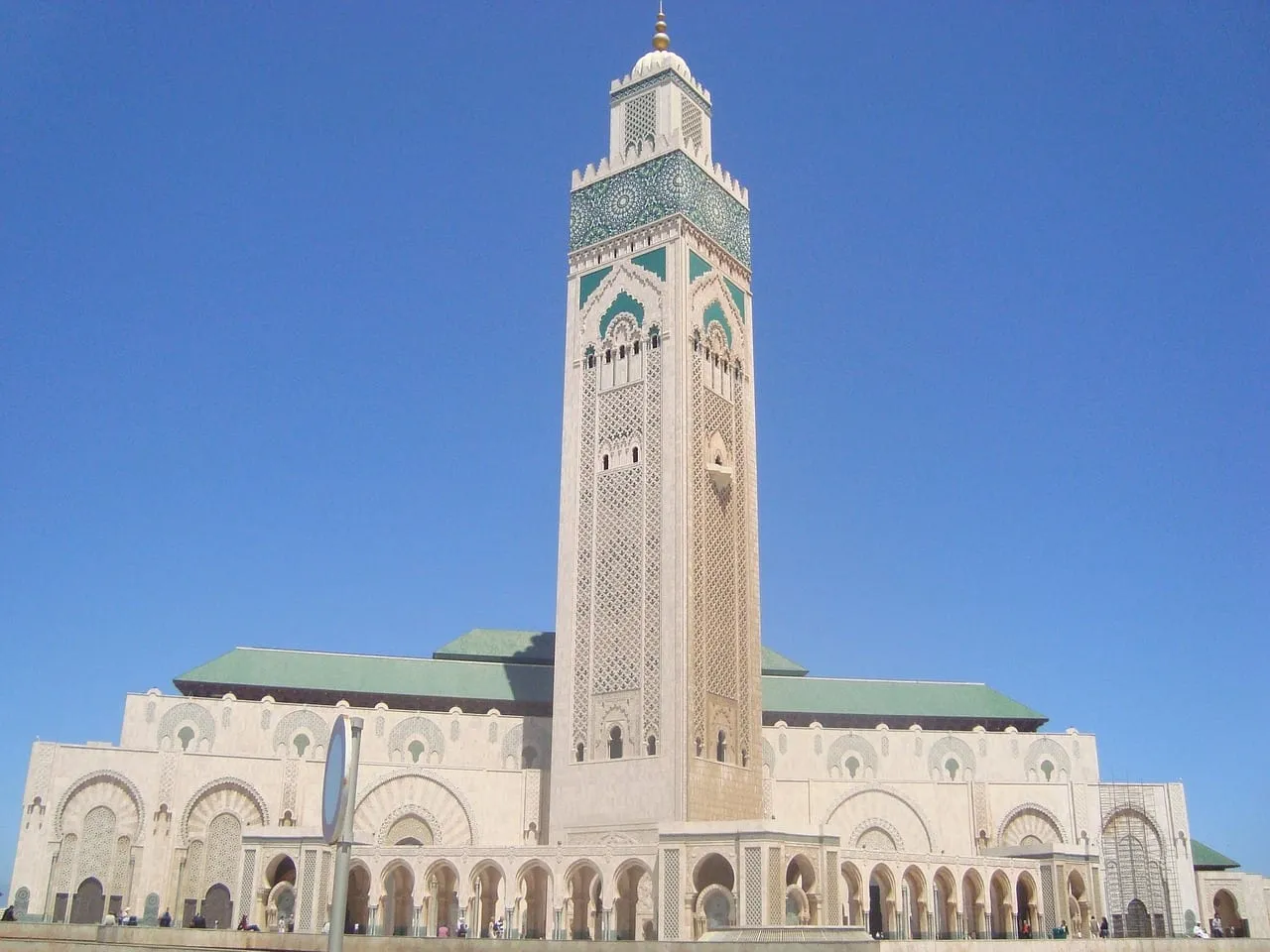
Hassan II Mosque
Casablanca, Morocco
Morocco's great seafront mosque, open to non-Muslims on hourly guided visits.
- From
- MAD 140 foreign adults; MAD 70 residents and foreign students; MAD 30 children 4–12(€13 · €6 · €3)
- Time needed
- 1 hour for the guided visit; 2–2.5 hours with the museum and a walk on the esplanade
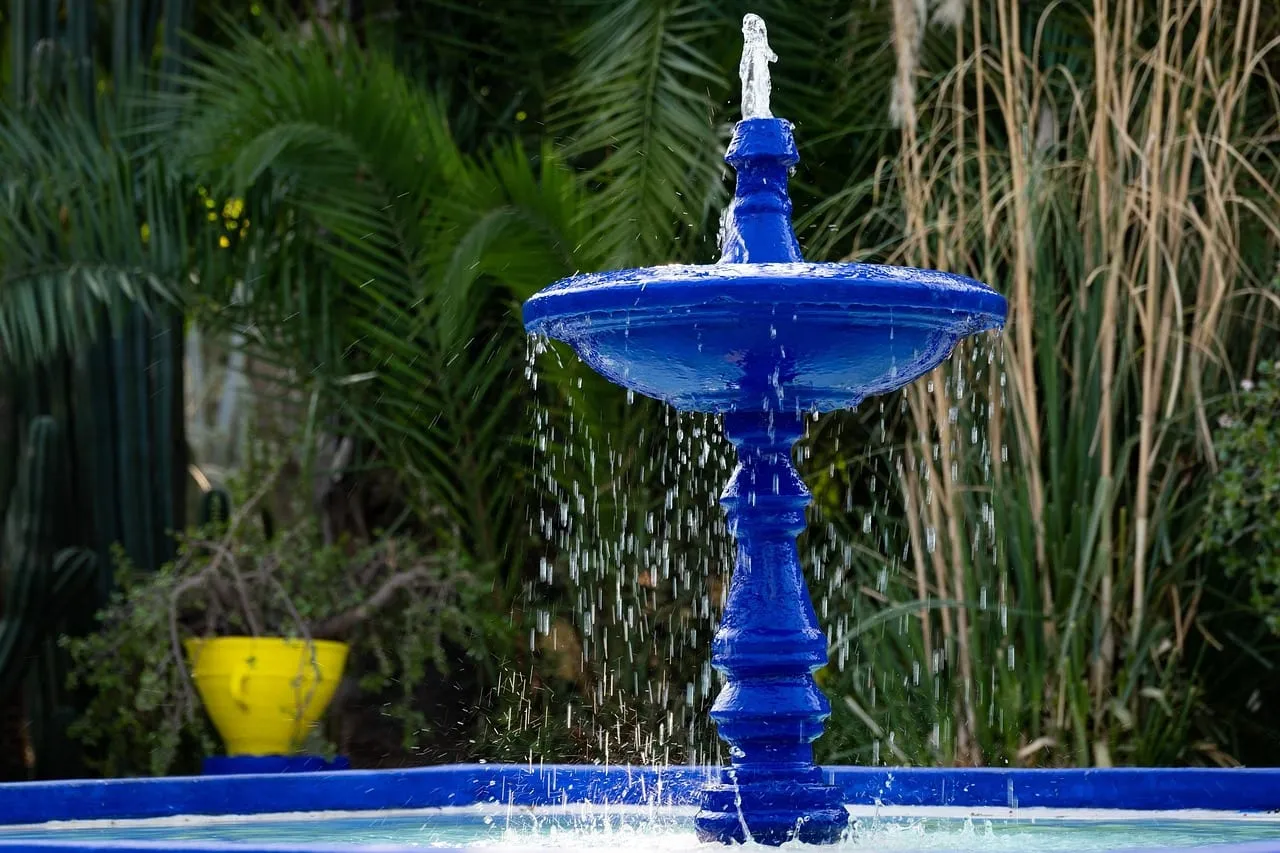
Majorelle Garden
Marrakech, Morocco
Jacques Majorelle's cobalt-blue garden, saved by Yves Saint Laurent, with two museums
- From
- MAD 170(€16)
- Time needed
- 1–1.5 hours for the garden; 2.5–3 hours with both museums
Visiting sights in Morocco
Tickets and discounts
Morocco has no national sightseeing pass, so each sight sells its own tickets. Jardin Majorelle in Marrakech sells only online, on tickets.jardinmajorelle.com, for a dated time slot: MAD 170 for the garden, MAD 95 for international students and MAD 75 for Moroccan citizens and residents (October 2026). The Hassan II Mosque in Casablanca sells guided visits at the mosque: MAD 140 for foreign adults, MAD 70 for foreign students and residents, MAD 30 for children aged 4 to 12 and free under 4 (October 2026). Students need a valid card for the reduced rates. Look-alike websites sell tickets for these sights at higher prices; the Majorelle garden warns that tickets from unauthorised sites will not get you in.
Getting between the sights
ONCF runs the railways. Al Boraq, Africa's first high-speed line, opened in 2018 and links Tangier with Casablanca via Kenitra and Rabat in a little over two hours, and conventional trains continue to Marrakech. Buy tickets on oncf-voyages.ma or at stations, not through third-party resellers, which add a mark-up. Supratours, run by ONCF, and CTM coaches serve places the trains don't, from their own stations. In cities, petits taxis are metered by law and take up to three passengers, but in tourist areas drivers often refuse to run the meter: ask for the compteur or agree the fare before getting in. Shared grands taxis run fixed routes between towns, with six passengers a car.
Money, mosques and customs
The dirham is a closed currency that is hard to exchange outside Morocco, so get it on arrival from ATMs showing the Maestro, Cirrus or Plus logos, or at exchange offices, and keep exchange receipts if you want to change leftover dirhams back. Foreign currency worth MAD 100,000 or more must be declared. Hotels and larger shops take cards, but taxis, souqs and small cafés want cash, and card fraud is common, so keep your card in sight. Non-Muslims may not enter most Moroccan mosques; the Hassan II Mosque, on a paid guided visit, is the main exception, and the former Ben Youssef Madrasa in Marrakech is open as a historic site. Dress modestly, avoiding shorts and bare shoulders.
Seasons, Ramadan and crowds
Spring, April especially, and autumn are the best times for the imperial cities; July and August are the peak season, when Marrakech averages 37–38°C by day. Ramadan in 2027 starts in February: many restaurants close at lunchtime, eating, drinking and smoking in public by day can cause offence, and sights change their hours. During Ramadan 2026 the Hassan II Mosque ran visits at 9:00, 10:00, 11:00 and 14:00 from Saturday to Thursday, and at 9:00 and 14:15 on Fridays. Eid al-Fitr, which ends Ramadan, closes much of the country for several days and fills transport. In summer, Moroccans living in Europe travel home in large numbers, crowding the ferries from Spain.
Scams and problems to know about
Faux guides are the classic problem: men posing as official guides, or as students wanting to practise English, offer to show you the medina and lead you to a carpet shop, a tannery or a demand for a fee. Official guides carry a badge and local-authority permission; decline the rest politely and keep walking. Touts may say a street is closed or your riad is impossible to find; it rarely is. Agree every price first, from taxis to henna. Taxi drivers waiting at stations and sights quote flat fares several times the meter, so walk on and hail one on the street. The FCDO warns that cars booked through ride-hailing apps may be unlicensed and uninsured.
Also worth the trip
Not on Sightsale yet, but worth knowing about.
Fes el Bali
The oldest part of Fez and the heart of its medina, a World Heritage Site for its intact pre-modern street plan and many historic monuments.
Volubilis
A partly excavated Berber-Roman city near Meknes that may have been the capital of the kingdom of Mauretania.
Aït Benhaddou
A fortified earthen village (ksar) on the old caravan route between the Sahara and Marrakech, a World Heritage Site since 1987.
Chefchaouen
The 'Blue City' in the mountains of north-west Morocco, between Tétouan and Ouazzane, known for its blue-washed buildings.
Ben Youssef Madrasa, Marrakech
A 16th-century Islamic college in the Marrakech medina, once the largest in the Maghreb, reopened as a historic site in April 2022 after restoration.
Questions people ask about visiting Morocco
Can non-Muslims visit mosques in Morocco?
Generally not: most mosques are closed to non-Muslims. The Hassan II Mosque in Casablanca is the main exception, open on paid guided visits (MAD 140 for foreign adults, October 2026). The ruined Tinmel mosque in the High Atlas was the other, but it was severely damaged in the September 2023 earthquake.
Do I need cash in Morocco?
Yes. Taxis, souqs, small cafés and tips are paid in cash, while hotels and larger shops take cards. The dirham is hard to exchange outside Morocco, so withdraw it from ATMs on arrival and keep exchange receipts if you may want to change money back.
How do taxis work in Moroccan cities?
Petits taxis carry up to three passengers within a city and must use a meter by law, but drivers in tourist areas often refuse. Ask for the compteur before you set off or agree the fare first, carry small notes, and avoid drivers waiting outside stations who quote flat fares.
Is it a good idea to visit Morocco during Ramadan?
It is possible, but expect changes. Many restaurants close at lunchtime, eating and drinking in public by day can cause offence, and sights shorten or shift their hours. Ramadan in 2027 begins in February, followed by Eid al-Fitr, when much closes for several days and transport is busy.
How do I travel between Tangier, Casablanca and Marrakech?
By train with ONCF. The Al Boraq high-speed train links Tangier and Casablanca in a little over two hours, and conventional trains run on to Marrakech. Book on oncf-voyages.ma or at the station rather than through resellers.
Sources for this page (18)
- Jardin Majorelle: official site (online-only tickets, warning on unauthorised sites) (accessed 7 October 2026)
- Jardin Majorelle: the garden (prices) (accessed 7 October 2026)
- Jardin Majorelle: official ticket office (accessed 7 October 2026)
- Fondation de la Mosquée Hassan II: visites guidées payantes (times, prices) (accessed 7 October 2026)
- Fondation de la Mosquée Hassan II: visit hours during Ramadan 2026 (accessed 7 October 2026)
- ONCF: online train and coach tickets (accessed 7 October 2026)
- UK FCDO travel advice: Morocco, safety and security (accessed 7 October 2026)
- UK FCDO travel advice: Morocco, entry requirements (currency) (accessed 7 October 2026)
- Wikivoyage: Morocco (accessed 7 October 2026)
- Wikivoyage: Marrakech (accessed 7 October 2026)
- Morocco World News: Tinmel mosque, one of two mosques open to non-Muslims (2020) (accessed 7 October 2026)
- Wikipedia: Tinmel Mosque (2023 earthquake damage) (accessed 7 October 2026)
- Wikipedia: Al Boraq (accessed 7 October 2026)
- Wikipedia: Ben Youssef Madrasa (accessed 7 October 2026)
- Wikipedia: Fes el Bali (accessed 7 October 2026)
- Wikipedia: Volubilis (accessed 7 October 2026)
- Wikipedia: Aït Benhaddou (accessed 7 October 2026)
- Wikipedia: Chefchaouen (accessed 7 October 2026)