Sights in Netherlands
The Netherlands is small, flat and joined up by frequent trains, so its museums, bulb fields and windmills are easy to combine from one base in Amsterdam or Rotterdam. The rule that matters most: the big museums and Keukenhof sell tickets online for a set date and time, and even pass holders who get in free must book a slot first.
Checked 7 October 2026
Our sight guides for Netherlands

Keukenhof
Lisse, Netherlands
A 32-hectare show garden near Lisse: 7 million bulbs in bloom for eight weeks each spring
- From
- €21 adult online
- Time needed
- 3–4 hours in the park; a full day with the bulb fields around it
 Hidden gem
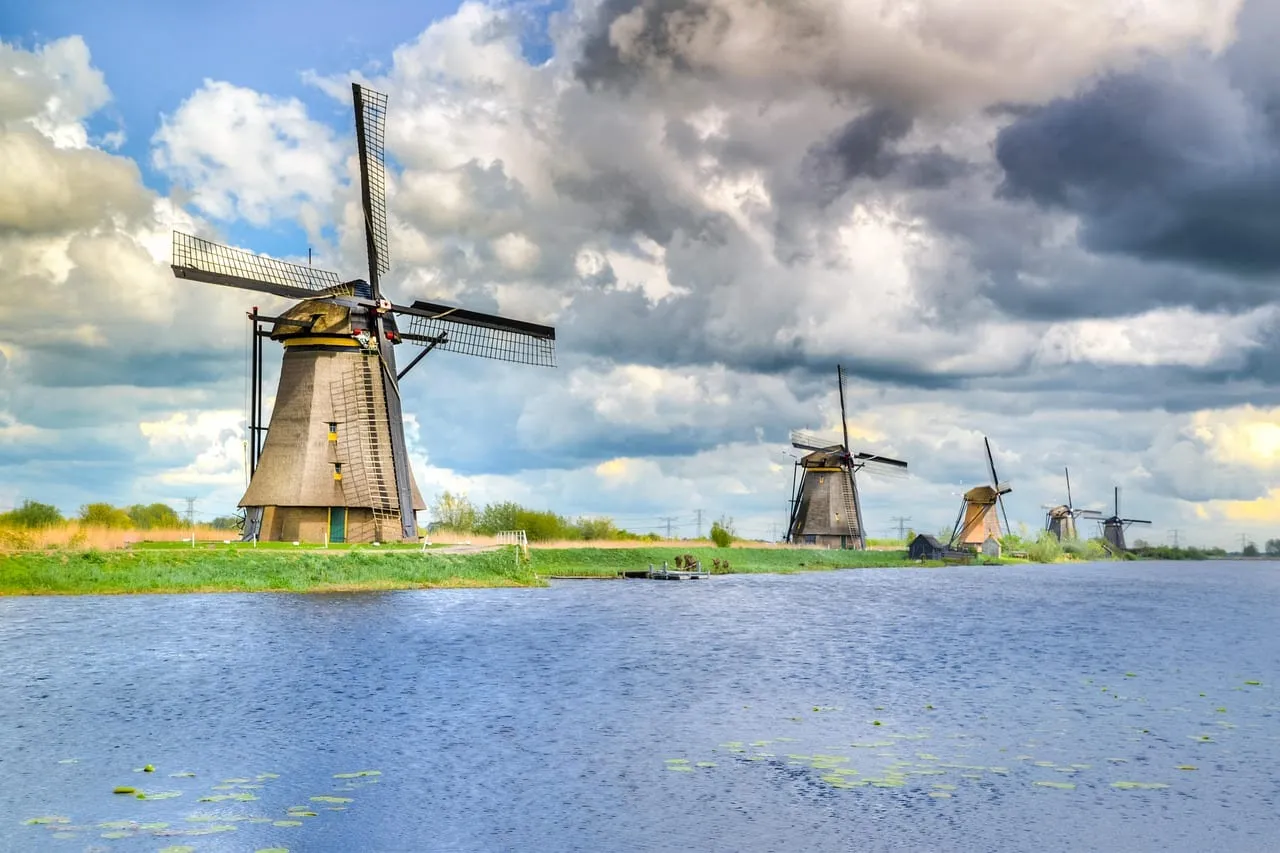
Kinderdijk
Kinderdijk, Netherlands
Nineteen old drainage windmills in a polder near Rotterdam, still lived in by millers.
- From
- Dike path free
- Time needed
- 1 hour for one museum mill; 2–3 hours for the highlights; a full day with both boats

Rijksmuseum
Amsterdam, Netherlands
The Netherlands' national museum: The Night Watch, Vermeer and 800 years of Dutch history.
- From
- €25 adult; 18 and under free
- Time needed
- 1 hour for the Gallery of Honour; 2–3 hours for the highlights; a full day to see most of it

Zaanse Schans
Zaandam, Netherlands
Working windmills and green wooden houses on the river Zaan, 20 minutes from Amsterdam.
- From
- Village free; mills €7.50 each; Ticket Zaanse Schans €29.50
- Time needed
- 2–3 hours for the village and one or two mills; half a day with the Zaans Museum
Visiting sights in Netherlands
Passes and combined tickets
The Museumkaart gives a year of free entry to more than 500 Dutch museums for €75 (adults) or €39 (under 19), October 2026. Visitors buy a temporary card at a participating museum, valid for 5 visits within 31 days; the digital card works only for EU residents. With the Rijksmuseum and the Van Gogh Museum both €25, it pays off from about three big museums. The I amsterdam City Card covers over 70 Amsterdam museums and attractions, a canal cruise and GVB trams, buses and metro: €67 for 24 hours up to €140 for 120 hours (October 2026). It includes the Rijksmuseum but not the Van Gogh Museum, and is not valid on the Keukenhof buses.
Getting between the sights
Trains run by NS link Amsterdam, Schiphol, Haarlem, Leiden, The Hague and Rotterdam several times an hour, without booking. The easiest way to pay is to tap in and out at the gate or card reader with a contactless bank card or phone: no registration, second class at the full fare, charged as one payment the next day. The same works on trams, buses and metros nationwide. The anonymous OV-chipkaart is no longer sold, and single-use paper chip tickets usually carry a €1.50 surcharge (October 2026); buses take no cash. For the sights outside cities, Keukenhof has its own KeukenhofBuzz buses from Amsterdam RAI, Hoofddorp, Haarlem and Leiden, and Kinderdijk is 30 minutes by WaterShuttle boat from Rotterdam (€19.50 return).
Money and payment
Cards rule. Visa and Mastercard debit and credit cards are widely accepted, contactless is the norm, and a small share of shops and cafés take no cash at all, marked 'pin only'. Some stores block credit cards issued in the EU to save on fees, so carry a debit card as well. Buses and trams take cards only, and the Anne Frank House accepts only online card payment. Many shops refuse €100, €200 and €500 notes, and cash totals are rounded to the nearest 5 cents. Service is included in restaurant prices by law, so tipping is optional, though rounding up for good service is increasingly common.
Seasons, holidays and crowds
Spring is the peak: the bulb fields flower with daffodils from mid-March to mid-April and tulips from mid-April to early May, and Keukenhof opens for only eight weeks, from 18 March to 9 May in 2027. Late April weekends and Easter are the busiest days there. King's Day on 27 April fills Amsterdam with street markets and parties, and off-peak train deals are not valid that day. The Rijksmuseum opens every day of the year, including public holidays. Kinderdijk's visitor locations open daily from early March to 1 November and on shorter winter hours until the end of December (2026). Summer brings the biggest crowds to Amsterdam's museums; book slots a few days ahead.
Scams and problems to know about
Pickpockets work in teams on trains and trams between Schiphol, Amsterdam Centraal and the museum district, especially trams 1, 2 and 5; one distracts you, often by spilling something or asking directions, while another takes your bag. People posing as plain-clothes police ask tourists to show their cash or cards 'for an investigation'; real Dutch police rarely do this and carry no shiny badges, and you can check on 0900 8844. Resellers and search ads use the names of Keukenhof and the big museums to sell the same timed tickets at a markup, so buy on the official site. Cycle lanes carry fast traffic: don't stand in them for photos. Swimming in Amsterdam's canals brings a €160 fine.
Also worth the trip
Not on Sightsale yet, but worth knowing about.
Van Gogh Museum
The world's largest collection of Van Gogh's paintings, on Amsterdam's Museumplein next to the Rijksmuseum; tickets are sold online only, for a start time.
Anne Frank House
The canal house where Anne Frank's family hid during the war. Tickets are sold only on its own website, released every Tuesday for six weeks ahead, and sell out fast.
Kröller-Müller Museum
A large Van Gogh collection and a sculpture garden inside the Hoge Veluwe National Park, in the east of the country.
Questions people ask about visiting Netherlands
Is the Museumkaart worth it for tourists?
Yes, if you visit at least three major museums: it costs €75 for adults (October 2026), and the Rijksmuseum and Van Gogh Museum alone are €25 each. Tourists buy a temporary card at a participating museum, valid for 5 visits within 31 days. You still have to book a free time slot at museums that use them.
Is the I amsterdam City Card worth it?
Only on packed days. It costs €67 for 24 hours and €140 for five days (October 2026) and includes the Rijksmuseum, over 70 other museums and attractions, a canal cruise and GVB public transport, but not the Van Gogh Museum, NS trains or the Keukenhof buses.
Can I use my bank card on Dutch trains and trams?
Yes. Tap a contactless debit card, credit card or phone on the reader when you get on and again when you get off, on NS trains and on trams, buses and metros. You travel second class at the standard fare, and the day's journeys are charged together the next day. Forgetting to tap out means you may pay too much.
Do I need cash in the Netherlands?
Hardly. Cards and phones are accepted almost everywhere, some shops are card-only, and buses and trams take no cash. Many shops will not take €100 notes or larger.
When are the tulips in bloom in the Netherlands?
The tulip fields usually flower from mid-April to early May, after the daffodils from mid-March. Keukenhof is open from 18 March to 9 May in 2027, and mid to late April is the classic time to go.
Sources for this page (17)
- Museumkaart: Museum Pass (prices) (accessed 7 October 2026)
- Museumkaart: frequently asked questions (temporary card, digital card for EU residents) (accessed 7 October 2026)
- I amsterdam City Card (prices and inclusions) (accessed 7 October 2026)
- Rijksmuseum: admissions and opening hours (accessed 7 October 2026)
- Van Gogh Museum: tickets and ticket prices (accessed 7 October 2026)
- Anne Frank House: tickets (accessed 7 October 2026)
- Kröller-Müller Museum (accessed 7 October 2026)
- NS: check in with your debit card, credit card or phone (accessed 7 October 2026)
- NS: travelling with the OV-chipkaart (single-use chip card surcharge, anonymous card) (accessed 7 October 2026)
- WaterShuttle: Rotterdam – Kinderdijk (fares) (accessed 7 October 2026)
- Kinderdijk: opening hours (accessed 7 October 2026)
- Holland Explorer: Keukenhof tickets and prices in 2027 (dates) (accessed 7 October 2026)
- Holland Explorer: KeukenhofBuzz buses (lines, tickets) (accessed 7 October 2026)
- Holland Explorer: tulip fields in the Netherlands (bloom periods) (accessed 7 October 2026)
- UK FCDO travel advice: Netherlands, safety and security (accessed 7 October 2026)
- Government of Canada: Netherlands travel advice (accessed 7 October 2026)
- Wikivoyage: Netherlands (payment, tipping, King's Day, cycling) (accessed 7 October 2026)