Sights in Turkey
Turkey's great sights run from Byzantine and Ottoman Istanbul to the fairy chimneys of Cappadocia and the Roman cities of the Aegean, and most of them are state museums and archaeological sites with fixed prices for foreign visitors. The rule that matters most: those prices are set in euros but charged in Turkish lira, so bring a Visa or Mastercard, and work out early whether a MuseumPass fits your route.
Checked 7 October 2026
Our sight guides for Turkey

Blue Mosque
Istanbul, Turkey
Sultan Ahmed I's six-minaret mosque, lined with İznik tiles, free to enter between prayers
- From
- Free; guided tours from €12.50, audio guide €10
- Time needed
- 30–45 minutes inside, plus the queue; about an hour with a guide
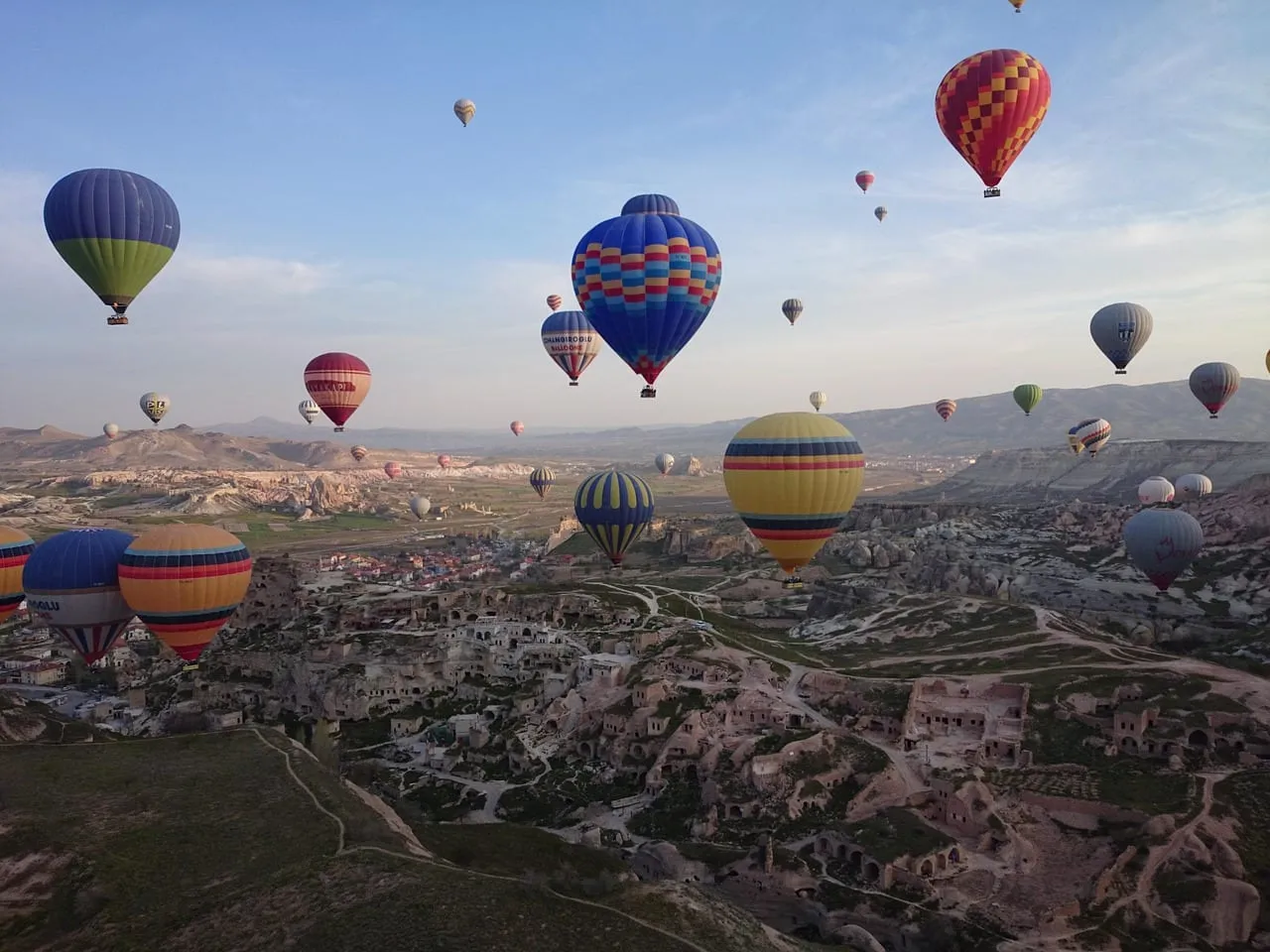
Cappadocia
Göreme, Turkey
Fairy chimneys, painted cave churches, underground cities and a sky full of balloons.
- From
- €20 Göreme Open-Air Museum
- Time needed
- 2–3 full days: one morning for a balloon (plus spare mornings), one day north, one day south

Ephesus
Selçuk, Turkey
A Roman city of marble streets, the Library of Celsus and a 24,000-seat theatre.
- From
- €40
- Time needed
- 2–3 hours for the ruins; add 1 hour for the Terrace Houses and an hour for the Ephesus Museum in Selçuk

Hagia Sophia
Istanbul, Turkey
Justinian's 6th-century dome, now a working mosque: tourists see it from the mosaic galleries
- From
- €25
- Time needed
- 45 minutes to 1½ hours for the gallery route; add an hour for the History and Experience Museum
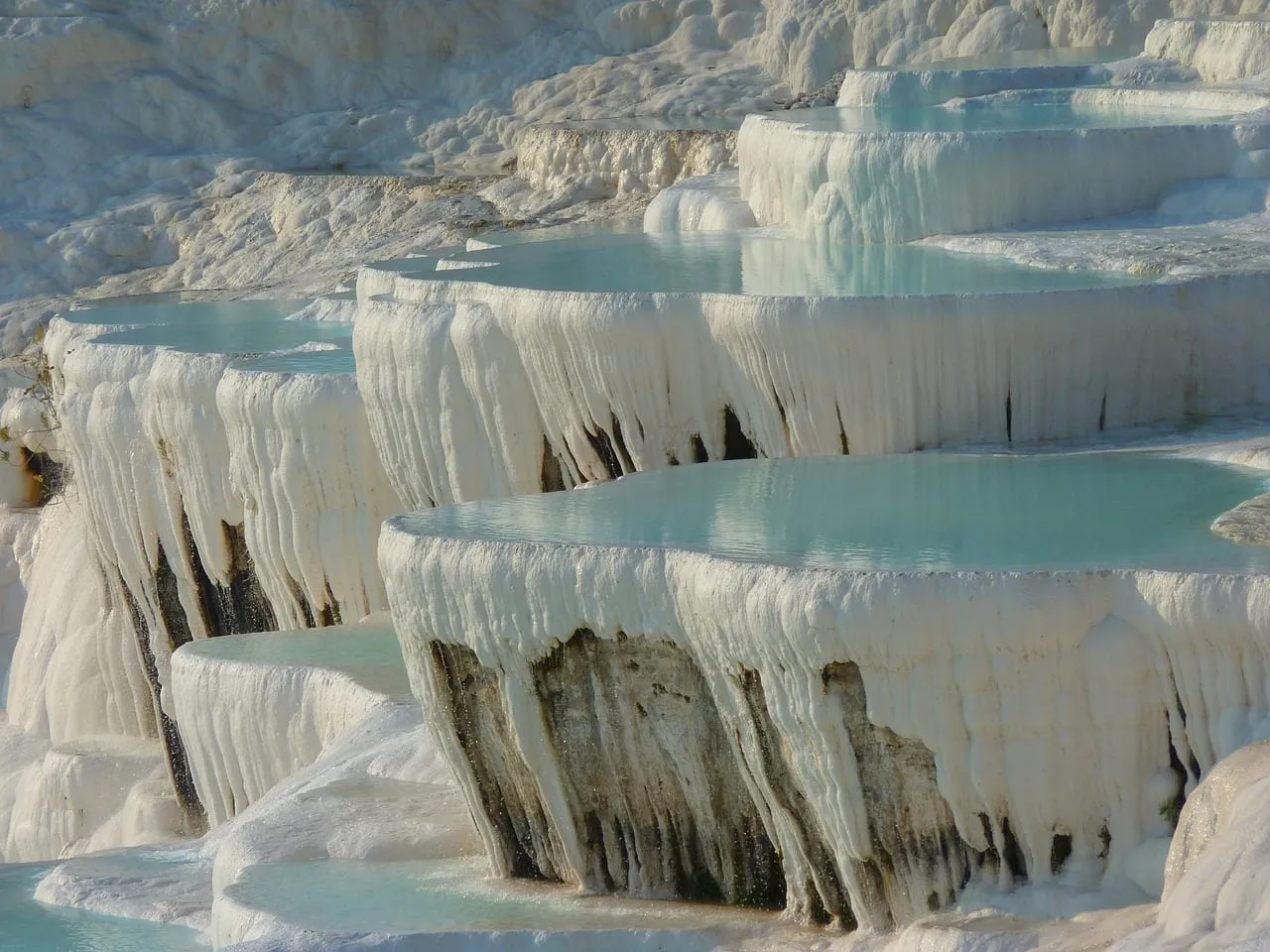
Pamukkale and Hierapolis
Pamukkale, Turkey
White travertine terraces you walk barefoot, with a Roman spa city and a warm pool on top.
- From
- €30 foreign visitors; children aged 8 and under free; Antique Pool extra
- Time needed
- 3–5 hours; most of a day with a swim in the Antique Pool and the museum
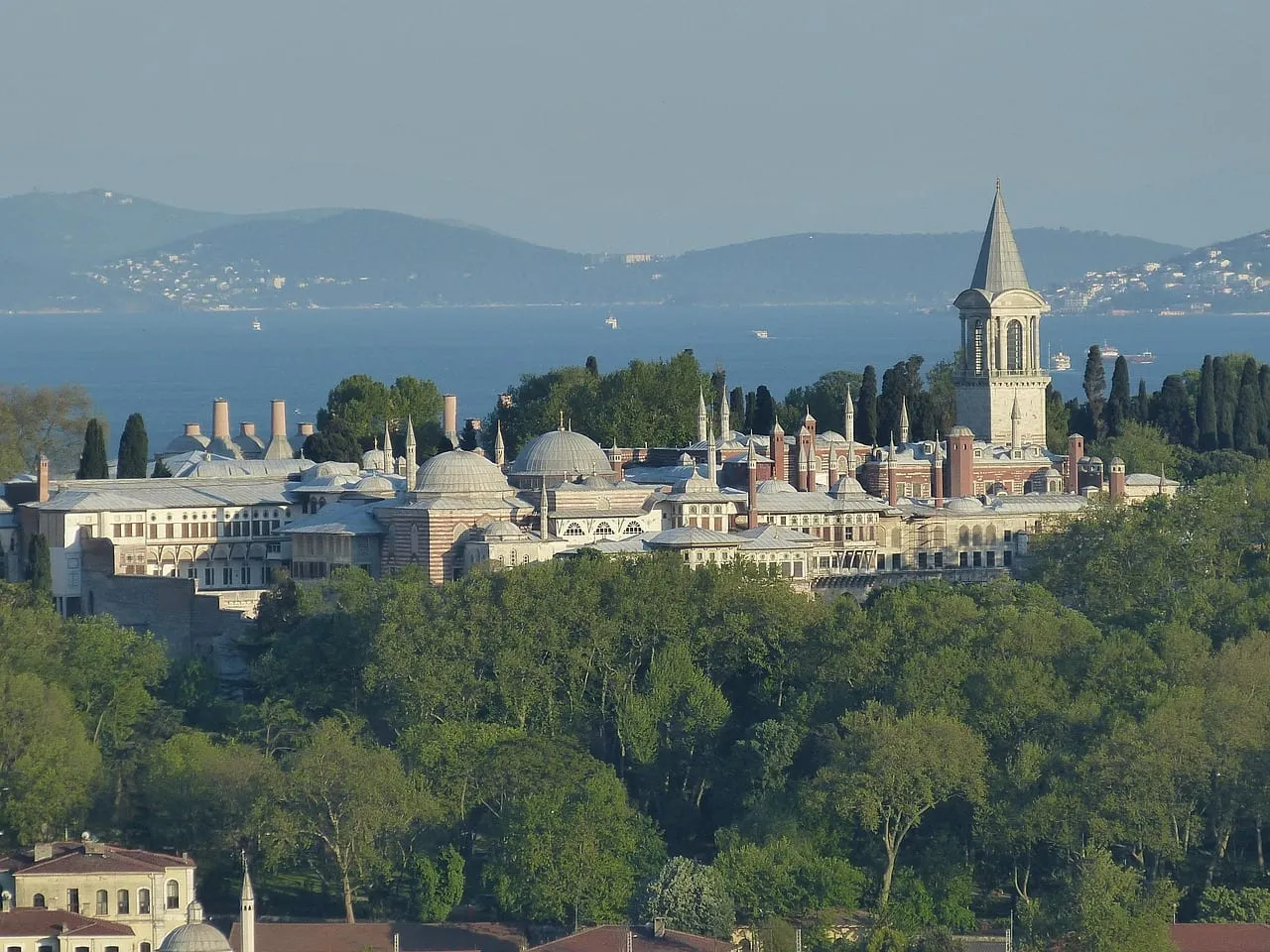
Topkapı Palace
Istanbul, Turkey
The Ottoman sultans' palace for 400 years: treasury, holy relics, Harem and Bosphorus views.
- From
- ₺2,750 combined ticket(€50)
- Time needed
- 3–4 hours with the Harem; a full half day if you add Hagia Irene and the new galleries
Visiting sights in Turkey
MuseumPass cards
The Ministry of Culture and Tourism sells regional MuseumPass cards on muze.gov.tr and at museum ticket offices, each giving one entry per site for a set period from the first visit. In October 2026: MuseumPass İstanbul €105 (5 days, 13 museums including Topkapı Palace and its Harem, the Archaeological Museums and Galata Tower), Cappadocia €65 (3 days), The Aegean €95 (7 days, including Ephesus, Aphrodisias and Hierapolis-Pamukkale), The Mediterranean €90 (7 days) and MuseumPass Türkiye €165 (15 days, more than 350 sites). None covers night openings, the Antique Pool at Pamukkale or Hagia Sophia, a working mosque. The ministry's new tariff raises the passes to €120, €75, €105, €100 and €185 from 1 April 2027.
Free entry and discounts
Under the ministry's directive, foreign children aged 8 and under enter state museums and sites free with a passport or ID card, and foreign visitors with a visible disability or a disability card go free too, though their companion pays. Foreign adults get no student or senior reductions at ministry sites. The National Palaces, which run Topkapı, set their own rules: free entry up to age 6, and foreign students aged 12 to 25 with a physical ISIC card pay ₺500 instead of ₺2,750 for the combined palace ticket (October 2026). From 1 April 2027 many prices rise, for example Ephesus from €40 to €45 and Hierapolis-Pamukkale from €30 to €35.
Getting between the sights
Distances are long. From Istanbul, Cappadocia is a 90-minute flight to Nevşehir Kapadokya (NAV), with Kayseri (ASR), 71 km from Göreme, as the alternative, or about 10 hours by bus to Nevşehir, where you change to a dolmuş (minibus). For the Aegean, fly to İzmir: TCDD regional trains from İzmir Basmane call at the airport and Selçuk, for Ephesus, and run on to Denizli, for Pamukkale, about 3 hours further. Long-distance buses leave from each city's otogar. In Istanbul an Istanbulkart pays for metro, tram, bus and ferry, and one card can be tapped for several travellers; ticket kiosks take cash lira only.
Money, mosques and customs
At state museums every payment is made in Turkish lira: euro prices are converted at the central bank's selling rate of the previous business day, so a card is the simple way to pay. Visa and Mastercard are widely accepted elsewhere too, but check that the terminal shows lira, not euros or dollars, before entering your PIN, and know that banks may refuse $50 and $100 notes because of counterfeits. Tip about 10% in restaurants unless service is included. In mosques, cover shoulders and legs, women cover their hair (scarves are often lent at the door), remove your shoes and stay behind worshippers at prayer times, especially Friday noon. Carry your passport: photo ID is required by law.
Seasons, holidays and crowds
Spring and autumn suit most itineraries. Aegean summers are hot and dry, regularly reaching 35°C, so be at Ephesus and Pamukkale at opening time; inland Cappadocia has hot, dry summers and cold, snowy winters with daytime temperatures around 0°C; Istanbul's winters are mild but wet, with rain on many days. Ramadan in 2027 is expected to begin between early February and early March; in big cities and resorts restaurants stay open, but avoid eating in public in more conservative areas. Ramazan Bayramı (three days) and Kurban Bayramı (four days) are public holidays with very busy roads and flights. Topkapı Palace closes every Tuesday and on the first day of Ramazan Bayramı.
Scams and problems to know about
The classic approach is friendly: someone asks where you are from, chats, and steers you to a relative's carpet shop for a hard sell. Ask the price before ordering anything, even tea, count your change, and watch for vendors keying euros or dollars into the card terminal instead of lira. Strangers who invite you for a drink or to a nightclub are a known risk of spiked drinks; buy your own. Use registered, metered taxis or an app and note the plate. Buying or exporting antiquities is illegal, with prison sentences of 5 to 12 years, so ignore 'ancient' coins. Pickpocketing and street robbery are common in Istanbul's tourist areas,, and illegally made spirits have caused methanol poisoning.
Also worth the trip
Not on Sightsale yet, but worth knowing about.
Basilica Cistern, Istanbul
Justinian's 6th-century underground cistern, the largest of the hundreds beneath Istanbul, 150 metres from Hagia Sophia. An easy addition to a Sultanahmet day.
Aphrodisias
A Greek and Roman city about 230 km south-east of İzmir, covered by the MuseumPass The Aegean, so it fits between Ephesus and Pamukkale.
Göbekli Tepe
A Neolithic site in Şanlıurfa province in the south-east, inhabited from around 9500 BC, whose carved stone pillars are among the oldest known megaliths.
Mount Nemrut
A 2,150-metre summit in the south-east crowned by colossal statues around what is thought to be a royal tomb of the 1st century BC.
Sumela Monastery
A former Greek Orthodox monastery built into a cliff in the Pontic Mountains near Trabzon, in use until 1923 and now a museum.
Questions people ask about visiting Turkey
Is the Museum Pass Istanbul worth it?
Only if you will visit several of its museums. It costs €105 for 5 days (October 2026) and gives one entry each to 13 museums, including Topkapı Palace with the Harem and Hagia Irene, the Archaeological Museums and Galata Tower. It does not cover Hagia Sophia, and from 1 April 2027 it costs €120.
Does the Museum Pass include Hagia Sophia?
No. Hagia Sophia is a working mosque, not a ministry museum, and sells its own ticket for the upper galleries (€25 for foreign visitors) at the booth by the site. The pass does cover Topkapı Palace, its Harem and Hagia Irene next door.
Can I pay in euros at Turkish museums?
No. Prices for foreign visitors are listed in euros, but the ministry's rules say every payment is made in Turkish lira, converted at the central bank's selling rate of the previous business day. Pay by Visa or Mastercard at the ticket office or buy online on muze.gov.tr.
Are Turkish museum prices going up in 2027?
Yes. The ministry's tariff for 2027 raises many prices for foreign visitors from 1 April 2027: Ephesus from €40 to €45, Hierapolis-Pamukkale from €30 to €35, the MuseumPass Türkiye from €165 to €185 and the MuseumPass İstanbul from €105 to €120.
When is the best time to visit Turkey's sights?
Spring and autumn. Summer is hot on the Aegean coast, regularly 35°C, and in Cappadocia, while Istanbul's winters are wet and inland Cappadocia gets snow. Avoid travel days around Ramazan Bayramı and Kurban Bayramı, when roads and flights are packed.
Sources for this page (22)
- muze.gov.tr: MuseumPass İstanbul E-Card (accessed 7 October 2026)
- muze.gov.tr: MuseumPass Cappadocia E-Card (accessed 7 October 2026)
- muze.gov.tr: MuseumPass The Aegean E-Card (accessed 7 October 2026)
- muze.gov.tr: MuseumPass The Mediterranean E-Card (accessed 7 October 2026)
- muze.gov.tr: MuseumPass Türkiye E-Card (accessed 7 October 2026)
- Ministry of Culture and Tourism: directive on ticket fees, exemptions and MuseumPass (English) (accessed 7 October 2026)
- Ministry of Culture and Tourism 2027 tariff tables (via Alomaliye): MuseumPass for foreign visitors (accessed 7 October 2026)
- Ministry of Culture and Tourism 2027 tariff tables (via Alomaliye): museums and sites (accessed 7 October 2026)
- muze.gov.tr: Ephesus Experience Museum (€40 foreign visitor fee) (accessed 7 October 2026)
- Turkish Museums (Ministry of Culture and Tourism): Denizli Hierapolis (accessed 7 October 2026)
- Millî Saraylar: Topkapı Palace (prices, closing days, holiday openings) (accessed 7 October 2026)
- Türkiye Gazetesi: galeri katı ve 25 euro (25 January 2024) (accessed 7 October 2026)
- UK FCDO travel advice: Turkey, safety and security (accessed 7 October 2026)
- Wikivoyage: Turkey (accessed 7 October 2026)
- Wikivoyage: Istanbul (Istanbulkart) (accessed 7 October 2026)
- Wikivoyage: Göreme (getting there) (accessed 7 October 2026)
- Wikivoyage: Selçuk (trains to Denizli) (accessed 7 October 2026)
- Wikipedia: Basilica Cistern (accessed 7 October 2026)
- Wikipedia: Aphrodisias (accessed 7 October 2026)
- Wikipedia: Göbekli Tepe (accessed 7 October 2026)
- Wikipedia: Mount Nemrut (accessed 7 October 2026)
- Wikipedia: Sumela Monastery (accessed 7 October 2026)