Sights in Germany
Germany's great sights are spread out, from Ludwig II's castles in the Alps to the museums and palaces of Berlin and Potsdam, so the trick is cheap regional trains and the state palace passes. The rule that matters most: popular palaces sell entry for fixed tour times, and many museums close on Mondays, so book the time slot and check the day before you travel.
Checked 6 October 2026
Our sight guides for Germany
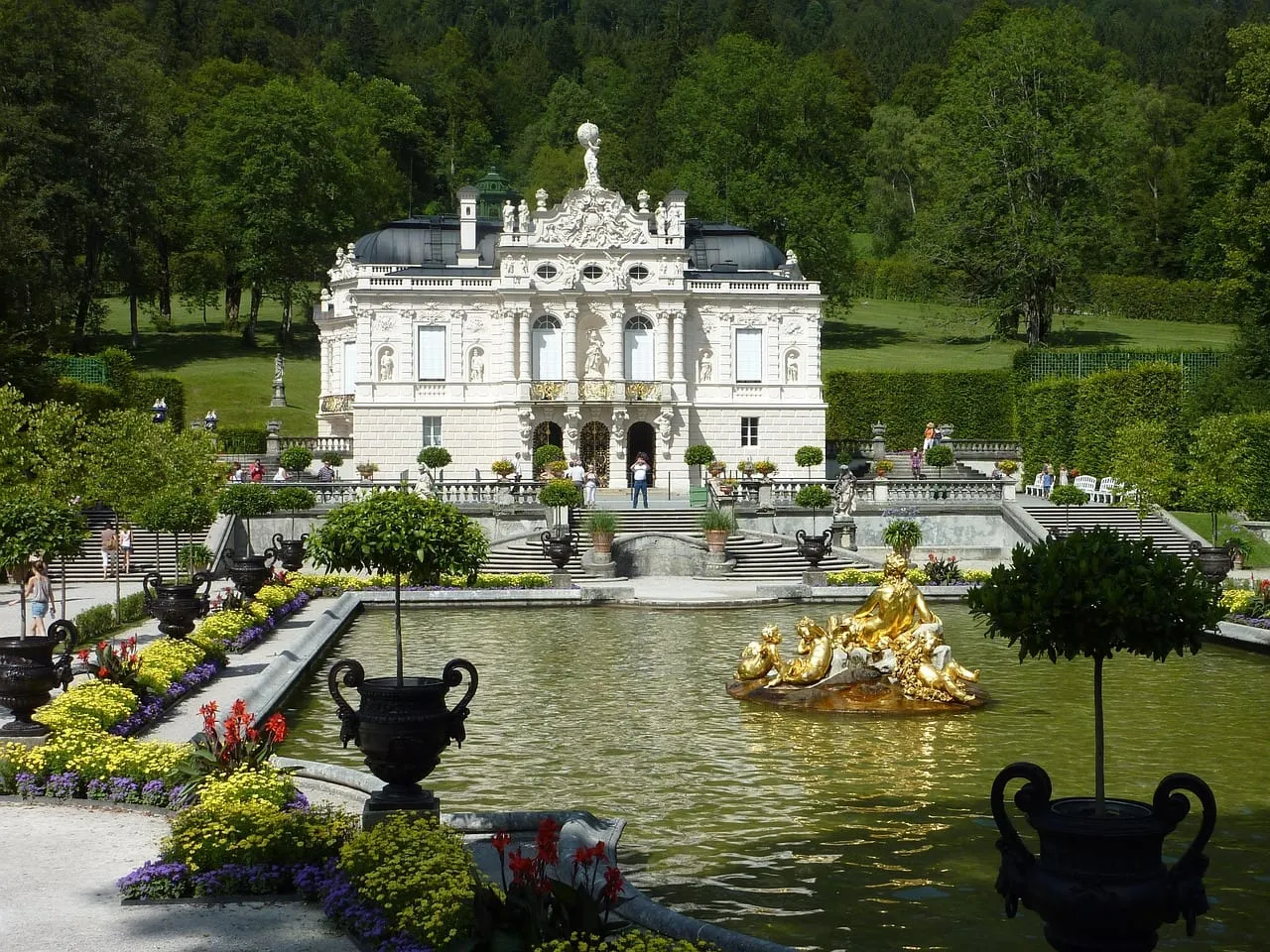 Hidden gem
Linderhof Palace
Ettal, Germany
Ludwig II's rococo palace and Wagner-opera grotto in a quiet Alpine valley near Ettal.
- From
- €11 palace, same price all year
- Time needed
- 1.5–2 hours in winter (palace only); 3–4 hours from mid-April to mid-October with the grotto and park
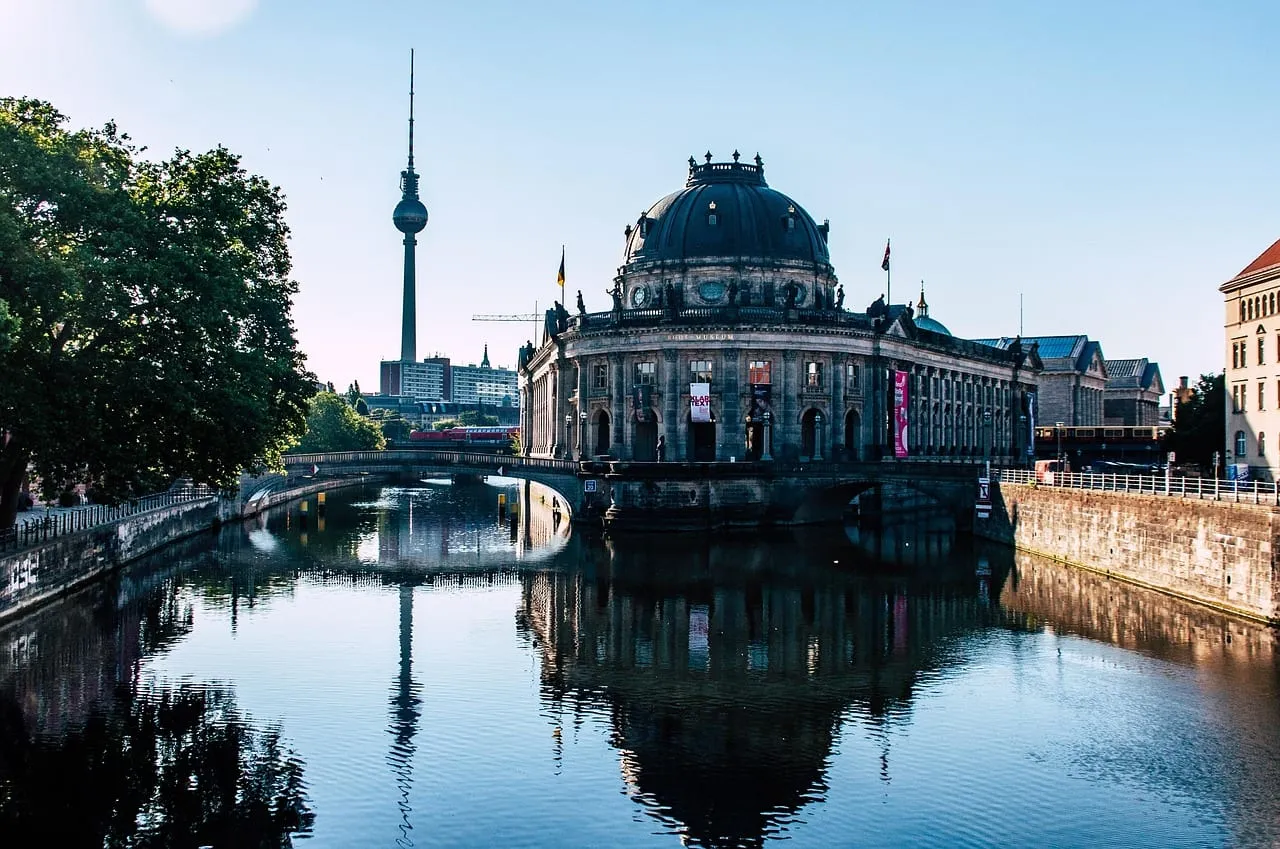
Museum Island
Berlin, Germany
Five great museums on one river island in central Berlin, with Nefertiti as the star.
- From
- €14 one museum; €24 Museumsinsel-Ticket for all of them in one day; under 18 free
- Time needed
- 2 hours for the Neues Museum alone; a full day for three or four museums
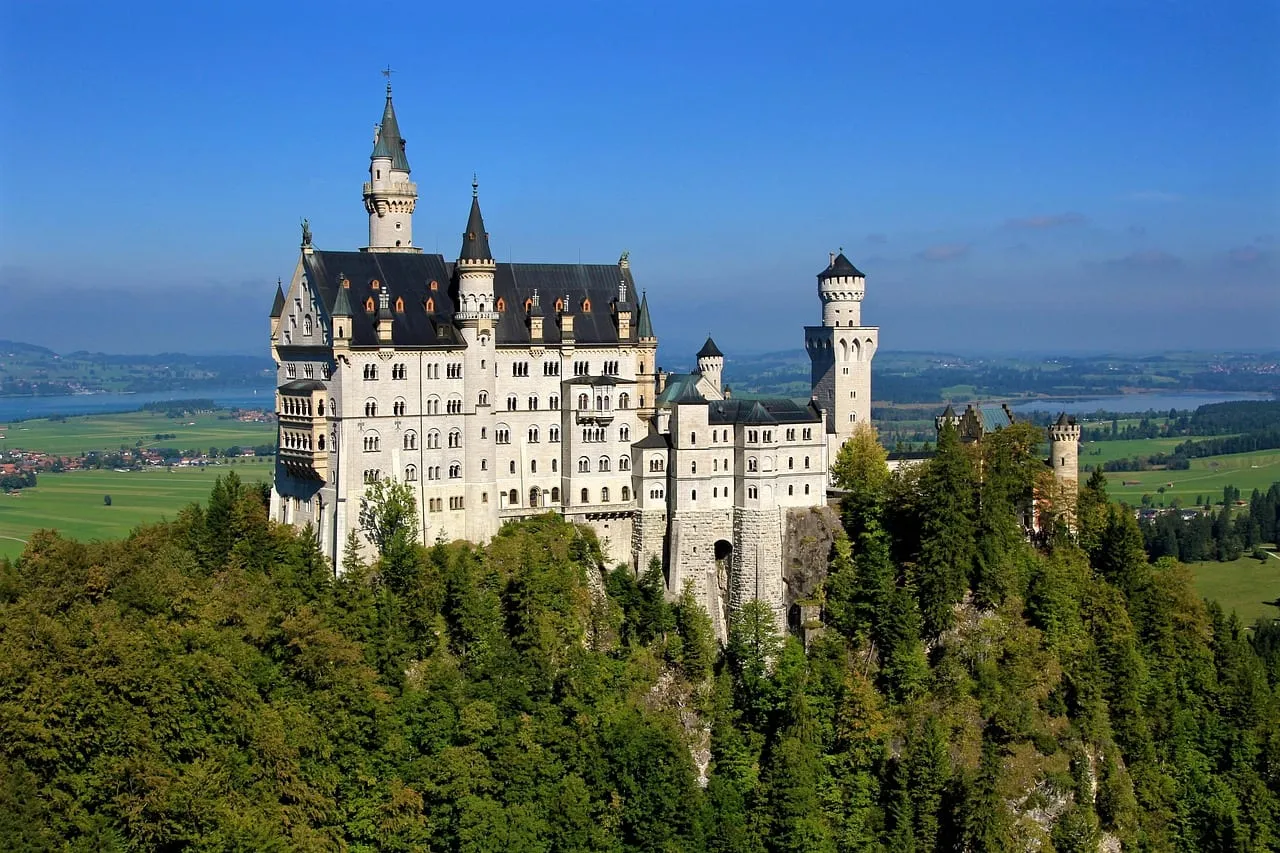
Neuschwanstein Castle
Schwangau, Germany
Ludwig II's unfinished dream castle on a crag above the Alpsee, near Füssen in Bavaria.
- From
- €21
- Time needed
- Half a day in Hohenschwangau, of which the castle tour itself is about 30 minutes
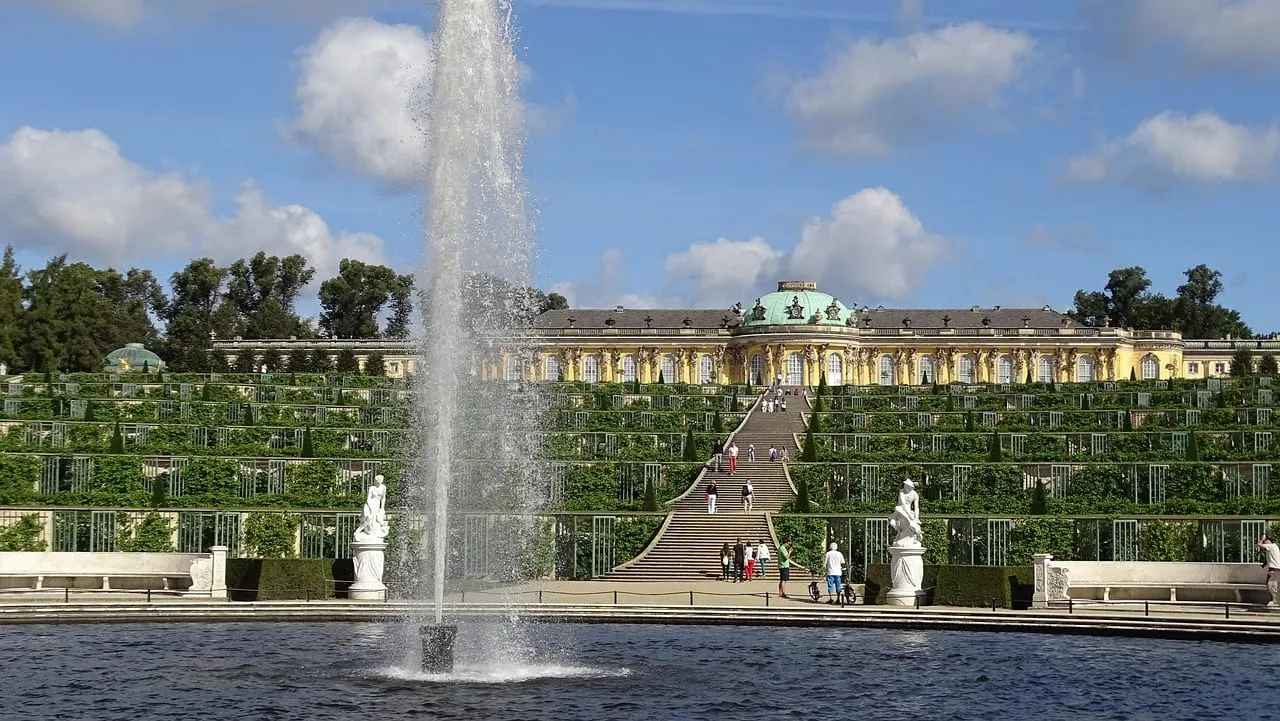
Sanssouci Palace and Park
Potsdam, Germany
Frederick the Great's rococo summer palace above vineyard terraces, in a huge free park.
- From
- €14 Sanssouci only, on the day on site
- Time needed
- Half a day for the palace, terraces and Picture Gallery; a full day with the New Palace and the park

Würzburg Residence
Würzburg, Germany
The prince-bishops' baroque palace, with Tiepolo's vast staircase fresco and a free garden.
- From
- €10 adult, €9 reduced; under 18 free; Court Church and Court Garden free
- Time needed
- 1.5–2 hours for the palace and Court Church; add 30–60 minutes for the Court Garden
Visiting sights in Germany
Passes and combined tickets
In Bavaria the Bavarian Palace Administration sells a 14-day ticket (€40 for one person, €80 for two partners or a family) and an annual ticket (€55 / €100), valid at more than 40 state sights including Neuschwanstein, Linderhof, Herrenchiemsee, the Munich Residence, Nymphenburg, the Würzburg Residence and Nuremberg's Imperial Castle (October 2026). It is not valid at Hohenschwangau Castle, which is privately run, and it does not replace the timed slot: you still collect or book a free ticket for each palace, with no reserved allocation. In Berlin, the 3-day Museum Pass Berlin costs from €32 (€16 reduced) for more than 30 museums, including those on Museum Island; some special exhibitions need an extra paid time-slot ticket.
Free days and discounts
Under-18s go free at all Bavarian state palaces, but each child still needs a free ticket, and under-14s must be with an adult. Over-65s, students and disabled visitors get reduced prices at Bavarian palaces; a disabled visitor's companion goes free when the ID card shows an escort is needed. In Munich the state art galleries (Alte Pinakothek, Pinakothek der Moderne, Museum Brandhorst, Sammlung Schack) charge €1 on Sundays instead of €4–10 (October 2026). Berlin's free first-Sunday scheme, Museumssonntag, ended in December 2024 and has not returned, so older guides that mention it are out of date. Under-18s remain free at Berlin's state museums.
Getting between the sights
Regional trains are the cheap way to reach most sights. The Bayern-Ticket (€34 for one, €44 for two, up to €74 for five, 2nd class, October 2026) covers a day of regional trains and most buses across Bavaria, but on weekdays only from 9:00; up to three children aged 6–14 ride free. The Deutschland-Ticket (€63 a month) covers all local and regional transport nationwide but not ICE, IC or EC trains. It is only sold as a subscription valid per calendar month: cancel by the 10th to stop at the end of that month, or you pay for the next one too. Buying it on the 25th still costs the full €63.
Opening days and customs
Monday is the usual closing day: Berlin's state museums, Munich's Pinakotheks and Sanssouci Palace in Potsdam are all closed on Mondays (October 2026). Popular palaces such as Sanssouci (€14, a fixed time slot included) and Neuschwanstein admit you only at the time printed on your ticket, and late arrivals are not let in. Shops, including supermarkets, are closed on Sundays and public holidays under the state shop-closing laws; shops in main railway stations, airports and petrol stations are the exception. Cash still settles about half of all payments in Germany (Bundesbank, 2023), so carry some euros for small ticket desks, lockers and cafés.
Seasons, holidays and crowds
July and August, school holidays and long weekends are the busiest times at the Alpine castles; this is when Neuschwanstein slots sell out weeks ahead. Many museums also close on public holidays: Munich's state galleries list closures on dates including Shrove Tuesday, 1 May, Christmas Eve and New Year's Eve, so check before a holiday visit. Christmas market season (Nuremberg's Christkindlesmarkt runs 27 November to 24 December 2026) brings big weekend crowds to old towns, booked-up hotels and full regional trains on Saturdays. Winter brings shorter palace hours (Neuschwanstein opens 10:00–16:00 from mid-October) but the shortest queues.
Scams and problems to know about
Look-alike ticket sites use castle names and charge around double the official price, sometimes with a ticket pick-up far from the sight, so buy from the palace's own shop. In Berlin, visitBerlin warns of fake plain-clothes police who ask to check tourists' cash and cards (always ask for ID), and of shell games around Alexanderplatz, Schlossbrücke, Kurfürstendamm, the East Side Gallery and the cathedral. Ticket inspections on public transport are common: riding without a valid ticket costs a €60 penalty fare (MVV Munich, October 2026), and the inspector will not accept that you meant to buy one later.
Also worth the trip
Not on Sightsale yet, but worth knowing about.
Nuremberg Imperial Castle
The medieval castle of the Holy Roman emperors high above Nuremberg's old town, included in the Bavarian palace passes; worth combining with the Christmas market in December.
Questions people ask about visiting Germany
Is the Bavarian palace 14-day ticket worth it?
Usually, if you visit three or more state palaces within two weeks. It costs €40 for one person or €80 for two partners or a family (October 2026), against €21 for Neuschwanstein alone. It does not cover Hohenschwangau Castle, and you still need a timed ticket at each palace.
Can tourists use the Deutschland-Ticket?
Yes. It costs €63 a month (October 2026) and covers buses, trams, S-Bahn, U-Bahn and regional trains across Germany, but not ICE, IC or EC trains. It is a subscription valid per calendar month: cancel by the 10th so it ends that month.
Are German museums closed on Mondays?
Many are. Berlin's state museums, Munich's Pinakotheks and Sanssouci Palace are closed on Mondays (October 2026). Neuschwanstein opens daily except a few holidays, so a castle trip is a good use of a Monday.
Are shops open on Sundays in Germany?
Mostly not: state laws close shops and supermarkets on Sundays and public holidays. Shops in main railway stations, airports and petrol stations stay open, and museums, palaces and restaurants are open as usual.
Do I need cash in Germany?
It helps. Cash still settled 51% of payments in Germany in 2023, according to the Bundesbank. Cards are accepted at the big sights and online shops, but keep some euros for small desks, lockers and cafés.
Sources for this page (17)
- Bavarian Palace Administration: annual season tickets and 14-day tickets (accessed 6 October 2026)
- Bavarian Palace Administration: general tariff regulations (free and reduced admission) (accessed 6 October 2026)
- Neuschwanstein Castle: admission (accessed 6 October 2026)
- Neuschwanstein Castle: opening hours (accessed 6 October 2026)
- Deutsche Bahn: Bayern-Ticket (accessed 6 October 2026)
- Deutsche Bahn: Deutschland-Ticket (German) (accessed 6 October 2026)
- Deutsche Bahn: Deutschland-Ticket (English) (accessed 6 October 2026)
- visitBerlin: Berlin Museum Pass (accessed 6 October 2026)
- visitBerlin: Safety in Berlin (accessed 6 October 2026)
- Staatliche Museen zu Berlin: home page (Pergamonmuseum group tours from June 2027) (accessed 6 October 2026)
- Art Visit Guide: Free museums in Berlin (Museumssonntag ended) (accessed 6 October 2026)
- Pinakotheken Munich: visit, prices and opening hours (accessed 6 October 2026)
- SPSG: Sanssouci Palace (accessed 6 October 2026)
- Nuremberg Tourism: The Nuremberg Christkindlesmarkt (accessed 6 October 2026)
- Deutsche Bundesbank: Payment behaviour in Germany in 2023 (accessed 6 October 2026)
- Library of Congress In Custodia Legis: Shop closing laws in Germany (accessed 6 October 2026)
- MVV Munich: erhöhtes Beförderungsentgelt (penalty fare) (accessed 6 October 2026)