Itsukushima Shrine
Miyajima, Japan
Itsukushima Jinja (嚴島神社), Miyajima
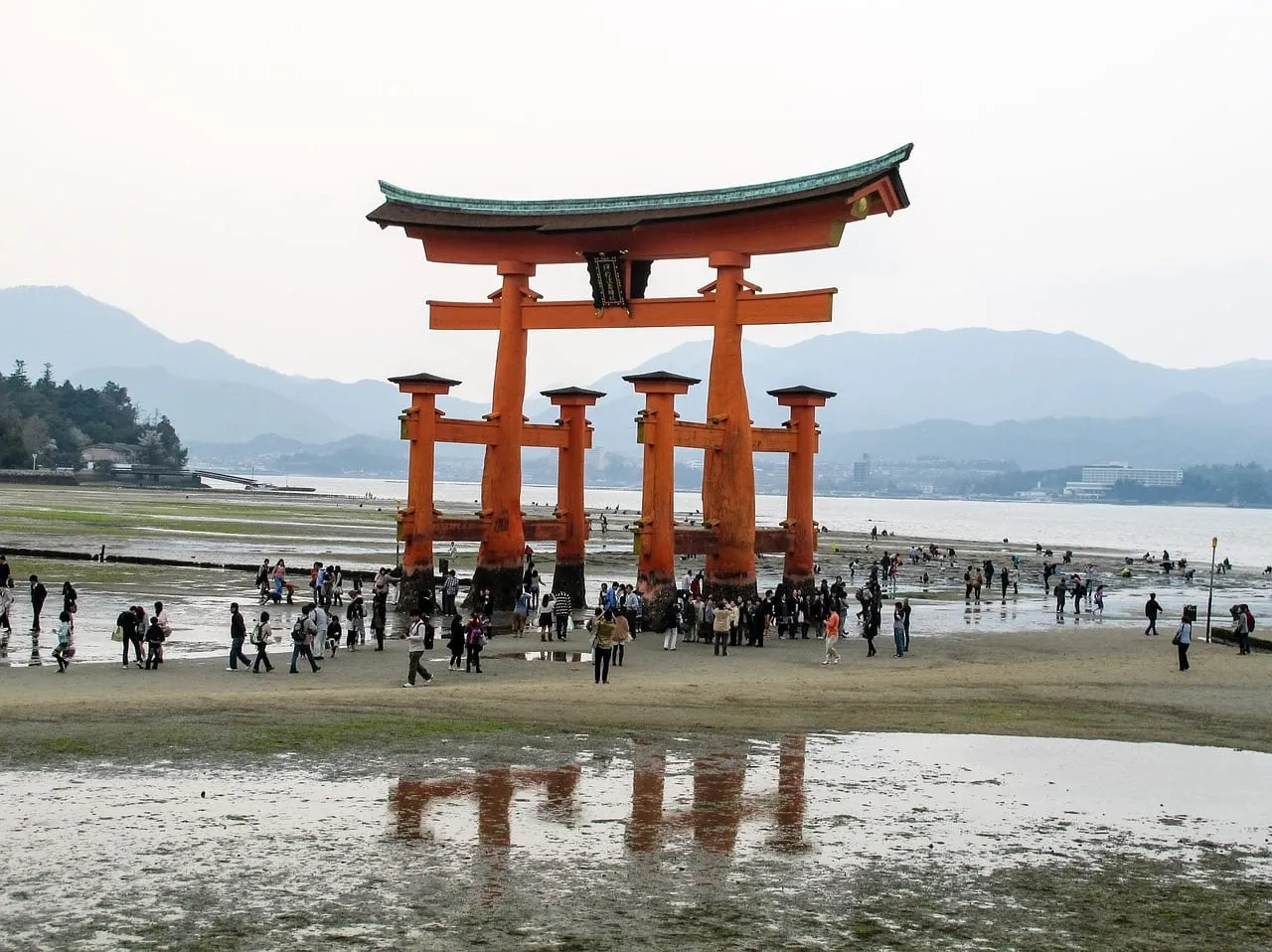
The shrine built over the sea, with the vermilion torii that floats at high tide.
Checked 7 October 2026

Itsukushima Shrine stands on stilts in a bay of Miyajima island, 10 minutes by ferry from Miyajimaguchi near Hiroshima, with its great torii gate about 200 metres out in the water. Entry is JP¥300 at the gate, and every visitor also pays a JP¥100 island visitor tax with the ferry fare. What really decides your visit is the tide: check the official tide table and time your day so you see the torii floating at high tide and, if you can, walk out to it at low tide.
About Itsukushima Shrine
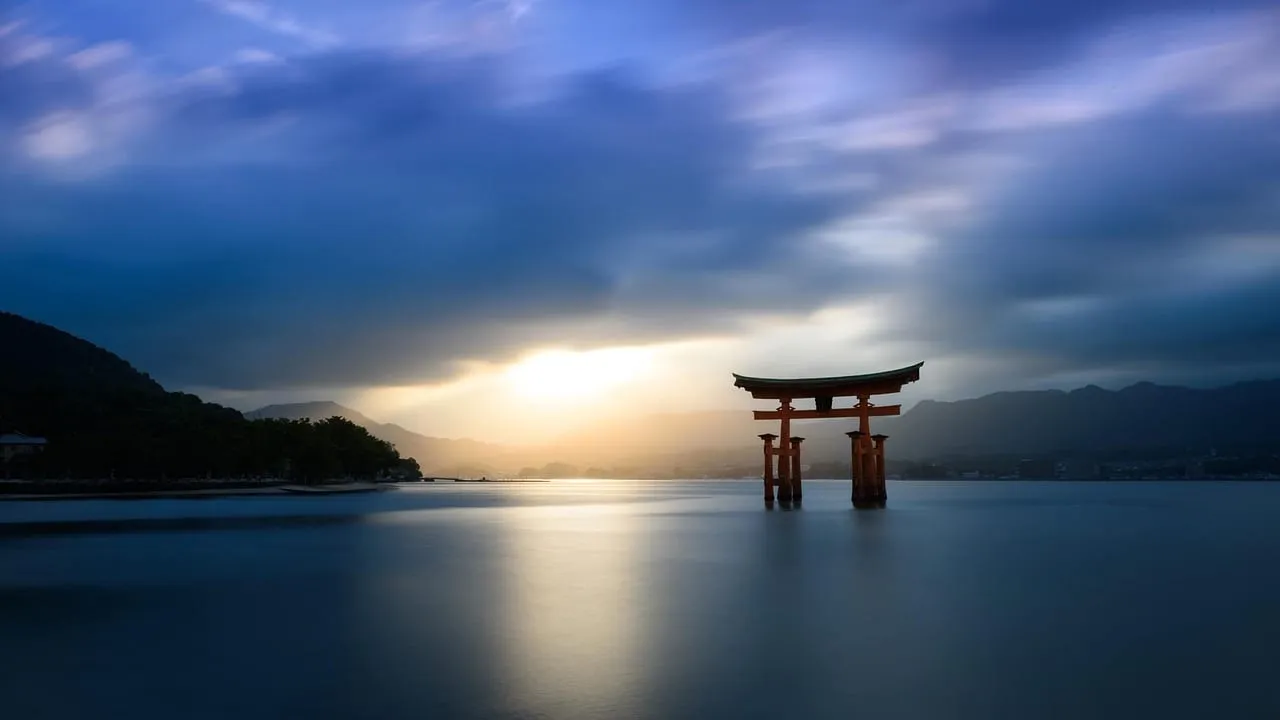
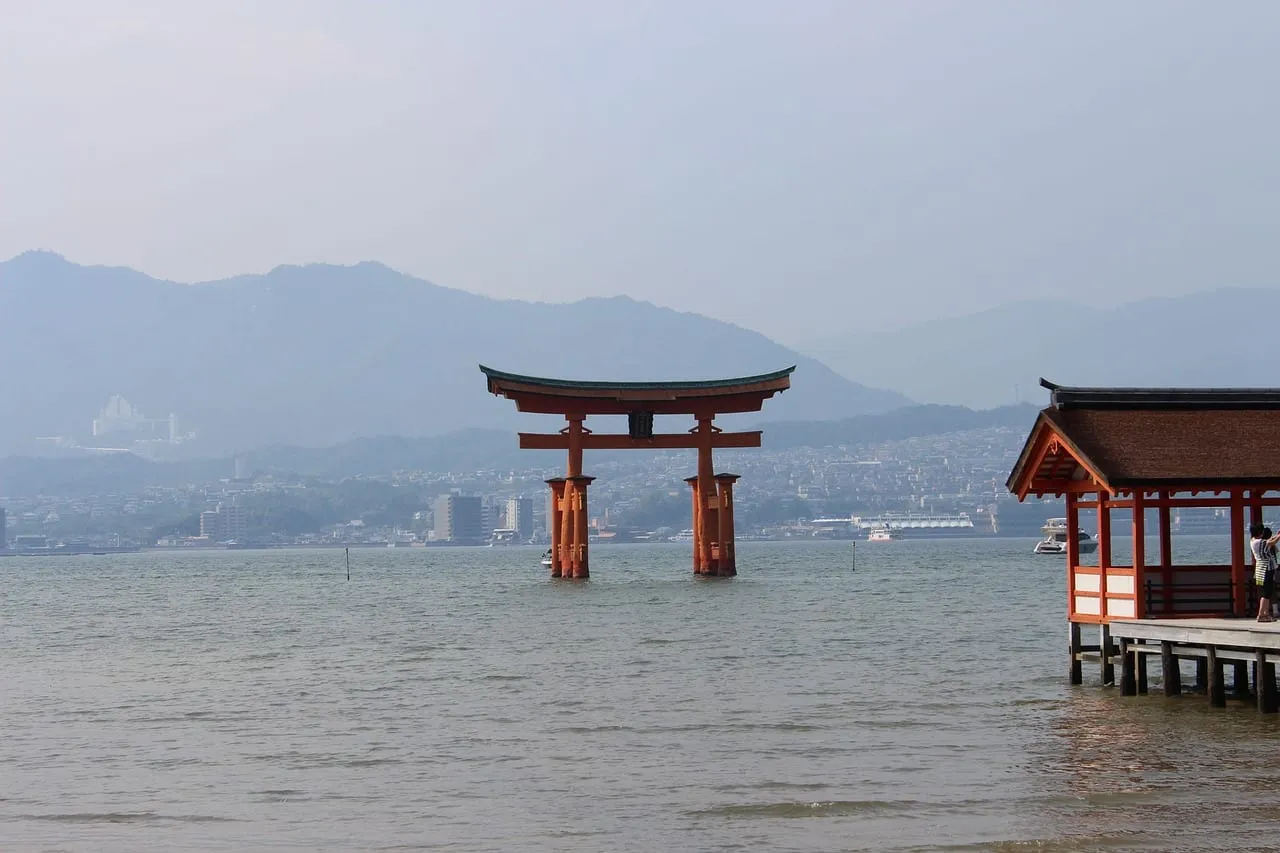
Itsukushima Shrine is a Shinto shrine built out over the tidal flats of Miyajima, a forested island in the Seto Inland Sea just west of Hiroshima. Its vermilion halls, linked by long roofed corridors, stand on posts in a small bay, and about 200 metres out in the sea stands the Ō-torii, the great gate that has become one of the best-known images of Japan. At high tide the water fills the bay and the whole complex seems to float; at low tide the sea drains away and you can walk across the sand to the foot of the gate.
The shrine is dedicated to three sea goddesses who protect sailors. Its own history dates the founding to 593, but the buildings you see go back to 1168, when Taira no Kiyomori, then the most powerful man at the imperial court, rebuilt it in the shinden-zukuri style of aristocratic Heian mansions. Emperors and retired emperors came on pilgrimage, and later shoguns and warlords kept it up. The corridors still have small gaps between the floorboards, so the sea at high tide can push up through them instead of lifting the floor.
The island itself is held sacred, which is why the shrine stands in the water rather than on the land. Miyajima has long been counted among Japan's three most scenic views, and the shrine became a UNESCO World Heritage Site in 1996. The present torii, the ninth, dates from 1875; it is about 16.8 metres tall and is not sunk into the seabed but stands under its own weight. A restoration begun in 2019 was finished in December 2022.
Beyond the shrine there is a small town of shops selling grilled oysters and maple-leaf cakes, a five-storey pagoda, the great wooden hall of Senjōkaku, the Buddhist temple of Daishō-in at the foot of the mountain, and Mount Misen above it all, reached by ropeway or on foot, with views over the islands of the Inland Sea. Deer wander everywhere. Day-trippers fill the main street from mid-morning; after the last of them leave, the island gets quiet and the shrine is lit up at night.
What to see
Ō-torii, the great gate in the sea
About 16.8 metres tall and some 200 metres from the main hall. At high tide it seems to float; at low tide you can walk out on the sand and stand under it. It is lit after dark, free to view from the shore at any hour.
The shrine corridors and Main Shrine
A one-way route along the East Corridor, past the Main Shrine (Honsha) and out by the West Corridor, all on boardwalks over the water. Allow 30–60 minutes. Wear flat shoes: thin heels catch in the gaps between floorboards. Structural reinforcement of the East Corridor is scheduled to run until December 2026, so expect some works there until then.
Noh stage and arched bridge
Near the exit you pass a Noh stage built over the water and the steep, vermilion arched bridge, Soribashi. The bridge is for looking at, not crossing.
Treasure Hall
Across from the shrine exit; the tourist association says it holds some 3,500 objects, from armour to Noh masks and craft work. JP¥300 alone or JP¥500 with the shrine (combined ticket sold only at the shrine entrance). Open 8:00–17:00; cash only.
Senjōkaku and the five-storey pagoda
On the small hill above the shrine: a huge wooden hall built for Toyotomi Hideyoshi (JP¥100, 8:30–16:30), next to the pagoda. The pagoda is under restoration until 20 November 2027 (the shrine's planned date), so expect scaffolding.
Daishō-in temple
A major Shingon Buddhist temple at the foot of Mount Misen, a short uphill walk from the shrine, with hundreds of small statues, prayer wheels and a cave of lanterns. Gates open 8:00–17:00; the temple's site lists no admission fee.
Mount Misen by ropeway
Two ropeways climb from Momijidani Park to Shishiiwa station (JP¥2,000 return), then about an hour on foot there and back to the summit, with Reikadō hall and its 'eternal flame' on the way. The views over the Inland Sea are the best on the island.
Night illumination
The shrine and torii are lit from sunset until 23:00 every day. You cannot go into the shrine after closing, but the shoreline is open, and an evening boat goes out to the gate.
Itsukushima Shrine tickets: which to buy and where
There is no online ticket and no need for one: you pay JP¥300 (adults) at the shrine entrance and walk in. The costs that catch people out are the JP¥100 Miyajima visitor tax, charged on every trip to the island, and the ferry fare; Japan Rail Pass holders ride the JR ferry free but still owe the tax.
The official ticket site
Itsukushima Shrine (嚴島神社)
The shrine's own site is itsukushimajinja.jp (Japanese and English). It sells nothing online: admission is paid at the entrance gate, in cash. The Treasure Hall does not take credit cards.
Itsukushima Shrine entry
JP¥300 adult; JP¥200 high-school students; JP¥100 primary and junior-high pupils
(€2 · €1 · under €1)
Official ticketsDoes not skip lines
- Includes
- The one-way route through the corridors, Main Shrine, Noh stage and views of the torii; paid at the gate, no time slot
- Best for
- Everyone; there is rarely more than a short queue at the entrance
At the shrine entrance · as of October 2026See this ticket → (opens in a new tab)Shrine and Treasure Hall combined
JP¥500 adult (saves JP¥100); JP¥300 high-school; JP¥150 younger pupils
(€3 · under €1 · €2)
Official ticketsDoes not skip lines
- Includes
- Shrine entry plus the Treasure Hall (8:00–17:00); only sold at the shrine entrance
- Best for
- Visitors interested in armour, Noh masks and lacquer work
At the shrine entrance · as of October 2026See this ticket → (opens in a new tab)Miyajima visitor tax
JP¥100 per visit (pre-school children free); or JP¥500 for a whole year
(under €1 · €3)
Official ticketsDoes not skip lines
- Includes
- Required for everyone arriving by boat except residents and commuters; added to the ferry fare by the boat company. The yearly option must be paid at Hatsukaichi city offices by the 10th of the month before your first visit
- Best for
- Every visitor (it is not optional)
Ferry companies, on behalf of Hatsukaichi City · as of October 2026See this ticket → (opens in a new tab)JR ferry, Miyajimaguchi to Miyajima
JP¥180 adult, JP¥90 child each way, plus JP¥100 tax; free with Japan Rail Pass or JR-West passes (tax still due)
(€1 · under €1)
Official ticketsDoes not skip lines
- Includes
- 10-minute crossing, about every 15 minutes in the day (6:25–22:42 from Miyajimaguchi); departures 9:10–16:10 take the 'Great Torii' route close to the gate. IC cards accepted
- Best for
- Rail Pass holders and anyone who wants the close view of the torii from the water
JR West Miyajima Ferry · as of October 2026See this ticket → (opens in a new tab)Matsudai ferry, Miyajimaguchi to Miyajima
JP¥200 adult, JP¥100 child each way (JP¥400 return), plus JP¥100 tax
(€1 · under €1 · €2)
Official ticketsDoes not skip lines
- Includes
- 10-minute crossing, every 15–20 minutes, about 7:15–20:35 from Miyajimaguchi; terminal next to the Hiroden tram stop
- Best for
- Visitors arriving by Hiroden tram without a Rail Pass
Miyajima Matsudai Kisen · as of October 2026See this ticket → (opens in a new tab)World Heritage Sea Route, Peace Park to Miyajima
JP¥2,400 one way, JP¥4,400 return (child half); package JP¥2,500; plus JP¥100 tax
(€14 · €25 · under €1)
ResellerDoes not skip lines
- Includes
- Direct 45-minute boat from Motoyasu Pier by the Atomic Bomb Dome, 8:30–17:10; return tickets valid two days; cash or card, no IC cards. Online booking closes the day before; same-day tickets at the pier office
- Best for
- Combining the Peace Park and Miyajima in one day without trains
 Aqua Net Hiroshima · as of October 2026See this ticket → (opens in a new tab)
How to buy
- Check the tide table on the Miyajima Tourist Association site for your date and plan the day around high tide (the floating view) and, ideally, low tide (the walk to the gate).
- At Miyajimaguchi, take whichever ferry leaves first: JR (free with a Rail Pass) or Matsudai. Buy a ticket from the machines or window or tap an IC card; the JP¥100 visitor tax is added. Rail Pass holders still owe the tax: ask at the JR ferry window at Miyajimaguchi how to pay it before boarding.
- Walk about 10 minutes from the Miyajima pier along the shore to the shrine entrance (east side) and pay JP¥300 in cash at the gate. Buy the JP¥500 combined ticket here if you want the Treasure Hall too.
- For Mount Misen, check the ropeway site for 'specific days' that need advance online booking (peak autumn weekends, for example); on other days buy at Momijidani station.
Look-alike sites
Nothing about the shrine is sold online, so there is no fake ticket site to fall for: the only official site is itsukushimajinja.jp, and the ticket is paid at the gate. Several English-language sites with Miyajima or Itsukushima in their name are run by private publishers and travel firms, not the shrine or the city; they are fine for reading but are not where rules are set. For current rules use the shrine's site, the Miyajima Tourist Association (miyajima.or.jp) and Hatsukaichi City (city.hatsukaichi.hiroshima.jp, for the visitor tax). Ferry tickets are sold only at the piers and by the ferry companies.
We can never guarantee a ticket seller, tour company or deal. Prices, opening hours and what is included change, often without notice: check the details on the seller’s own page before you pay, and book through the official site where you can. How to avoid ticket scams · Disclaimer.
Guided tours of Itsukushima Shrine
Miyajima is easy to do alone: the ferry, the shrine and the main sights are well signed and the entry fees are small. A tour pays off if you want the story behind the shrine and Daishō-in explained, or if you want Hiroshima's Peace Park and Miyajima in one day without working out trains and boats. Platform prices are shown in euros as listed on 7 October 2026 and change with demand.
Group coach tour
Day Trip to Hiroshima & Miyajima with Itsukushima Shrine
 Amigo Tours Japan
Bilingual English and Spanish guide; coach and ferry, shrine entry and lunch included; the Peace Park afternoon is an optional extra. Mostly free time on the island (30 minutes guided in the shrine). Meets at Hiroshima Station or Hiroden Miyajimaguchi. Not for wheelchair users.
from €40 on 7 October 2026
See this tour → (opens in a new tab)Small-group walking tour
Miyajima Half-day Trip Historical Walking Tour
 MagicalTrip
Up to six people, in English, from 9:30 at JR Miyajimaguchi Station. Shrine, Daishō-in, Momijidani Park, Senjōkaku and street food on the main street; entry fees and a local lunch (oysters, maple cakes) included, but check whether the ferry fare is. Viator says it is booked on average 68 days ahead.
from €93 on 7 October 2026
See this tour → (opens in a new tab)Group coach tour with Peace Memorial
Hiroshima and Miyajima Full Day Bus Tour from Hiroshima
JTB Sunrise ToursGovernment-licensed English guide; starts 10:10 at Hotel Granvia Hiroshima, ends at Hiroshima Station about 18:00. Shrine, free lunch time on Miyajima (at own cost), then the Peace Park, Atomic Bomb Dome and Peace Memorial Museum. Visitor tax and admissions included; uses the JR Great Torii ferry where possible.
from €144 on 7 October 2026
See this tour → (opens in a new tab)Evening boat to the torii
Miyajima Night Cruise
Aqua Net HiroshimaHiroshima boat company. A roofed Japanese boat from Miyajima Pier No. 3 out to the lit-up torii and shrine, six sailings 17:55–21:15. Book at least two hours ahead (online until 16:00 that day); the cruise is cancelled if nobody books by 17:00 the day before. Cash only.
We can never guarantee a ticket seller, tour company or deal. Prices, opening hours and what is included change, often without notice: check the details on the seller’s own page before you pay, and book through the official site where you can. How to avoid ticket scams · Disclaimer.
Itsukushima Shrine deals and discounts
Miyajima is cheap: JP¥300 for the shrine, JP¥100 tax and a ferry fare. The one real saving is the Japan Rail Pass or a JR-West pass, which covers the JR ferry; the best things here, the torii at low tide and the night lighting, cost nothing.
JR ferry free with a Japan Rail Pass
The Japan Rail Pass and JR-West Rail Passes cover the JR Miyajima ferry, along with the JR train from Hiroshima to Miyajimaguchi. You still pay the JP¥100 visitor tax each time you go over, as a separate payment.
Shrine and Treasure Hall combined ticket
JP¥500 instead of JP¥600 for adults (JP¥300 for high-school students, JP¥150 for younger pupils). Sold only at the shrine entrance, cash. Visitors with a disability certificate should show it at the entrance.
Walking to the torii and the night lighting are free
You need no ticket to walk out to the gate at low tide or to watch the shrine and gate lit up from sunset until 23:00. Only the inside of the shrine is paid and closes in the early evening.
Peace Park boat package
Aqua Net's package ticket (JP¥2,500 adult, JP¥1,300 child) combines the direct boat between the Peace Park and Miyajima with its Miyajima–Miyajimaguchi boat, so you can go one way by sea and return by train for about the price of a single trip.
Ropeway reductions
Return fare JP¥2,000 adult, JP¥1,000 child; JP¥1,800 for over-65s with proof of age and for groups of 15 or more; half price with a disability certificate. Pre-school children ride free with an adult.
Yearly visitor tax for repeat visitors
If you will cross to Miyajima more than five times in a year, the JP¥500 yearly payment is cheaper than JP¥100 a visit. It has to be paid in person at Hatsukaichi city offices by the 10th of the month before your first trip, so it rarely suits a tourist.
Best time to visit Itsukushima Shrine
Time of day: come for the 6:30 opening or after about 16:00. Most day-trippers and coach tours arrive mid-morning and leave by late afternoon, so the shrine and main street are busiest from about 10:00 to 15:00.
Tide: the tide matters more than the hour. The Miyajima Tourist Association's tide page lists, for each date, the hours when the shrine appears to float and the window for walking out to the torii (on 8 October 2026, for example: floating 5:45–10:00 and 18:00–23:00, walkable 13:00–15:15). There are usually two high and two low tides a day, roughly six hours apart, so with planning you can see both; spring tides around new and full moon give the biggest difference.
Season: spring and autumn are the nicest and busiest. Mid to late November, when the maples of Momijidani Park turn, brings the biggest crowds; the ropeway listed advance booking for most November 2026 weekends. Weekdays are much calmer than weekends at any time of year.
Avoid if you can: weekends and Japanese holidays (Golden Week in early May, the Obon week in mid-August, New Year, when the shrine opens at midnight on 1 January). Stay overnight on the island and you get the quiet evening and early morning almost to yourself.
Tips and tricks
Gathered from travel forums, locals and the sight’s own advice, rewritten in our own words. What worked for others, not a guarantee.
Plan around the official tide table
Before choosing your day, open the tide page of the Miyajima Tourist Association: for any date it shows the hours when the shrine appears to float and the window when you can walk to the gate. A visit at mid-tide, neither floating nor walkable, is the most common disappointment.
From Miyajima Tourist Association tide page, 2026; travel blogs, 2025
See both tides if you can
High and low tide are about six hours apart, so a day that starts with high water in the morning often allows a walk to the gate in the afternoon, or the reverse. Spend the gap on Mount Misen or Daishō-in.
From Miyajima Tourist Association tide page, 2026
Bring shoes that can get wet
The walk to the torii is over wet sand and mud with small shells and seaweed, and the water comes back quickly. Old trainers or sandals are better than good shoes; take a small towel.
From Travel blogs and visitor reviews, 2025–2026
Take a daytime JR ferry for the torii view
JR ferries leaving Miyajimaguchi between 9:10 and 16:10 take the 'Great Torii' route close to the gate. Board early to get a window or deck spot; the gate comes into view on the right-hand side going over, by most accounts.
From JR West Miyajima Ferry, 2026; travel articles, 2025–2026
Do not feed the deer, and guard your paper
Unlike in Nara, the deer on Miyajima must not be fed; the island's tourist association asks visitors not to give them food and to take rubbish home. Deer will try to eat maps, tickets, carrier bags and snacks, and may pull at clothes. Keep food in your bag and paper out of reach.
From Miyajima Tourist Association; japan-guide.com, 2026
Walk the shrine before 9:00
The shrine opens at 6:30 and the first ferries run from 6:25. Inside the corridors are narrow and one-way, so they feel crowded quickly; in the first hours you can stop and take photos without a stream of people behind you.
From Travel blogs and visitor reviews, 2025–2026
Avoid weekends for a coach tour
Tour reviewers who went on a Sunday describe the island as packed and the main street hard to move along. If your dates are flexible, take a weekday, and if you have a Rail Pass the trip is simple to do on your own.
From GetYourGuide reviews, 2026
Book the ropeway for peak days
The Miyajima Ropeway lists 'specific days' that require online reservation in advance, mostly autumn weekends and holidays. Check the list on its site before you go; on ordinary days you just buy a ticket at Momijidani station by card, IC card or cash.
From Miyajima Ropeway, 2026
Carry cash
Shrine admission is paid in cash at the gate, the Treasure Hall and Senjōkaku take no credit cards, and the night cruise is cash only. Small shops on the island are often cash only too.
From Itsukushima Shrine admission page; Aqua Net Hiroshima, 2026
How to get to Itsukushima Shrine
- From Hiroshima Station: JR Sanyo Line towards Iwakuni to Miyajimaguchi, about 30 minutes (covered by the Japan Rail Pass). The ferry piers are a short walk from the station, and there is a step-free route with lifts through the underpass.
- By tram: the Hiroden streetcar from Hiroshima Station or Kamiyacho in the centre to Hiroden Miyajimaguchi, about an hour; the Matsudai ferry terminal is a minute's walk from the stop.
- Ferries: JR West Miyajima Ferry (JP¥180) and Miyajima Matsudai Kisen (JP¥200) both cross in 10 minutes, every 10–20 minutes in the day; add the JP¥100 visitor tax. The shrine is a 10-minute walk from Miyajima pier along the shore.
- Direct boat: Aqua Net's World Heritage Sea Route runs from Motoyasu Pier next to the Atomic Bomb Dome to Miyajima in 45 minutes (JP¥2,400 one way). Tides on the river can cancel or reroute sailings, so check its service page on the day.
- Car: the JR and Matsudai car ferries carry vehicles, but there is no parking at the shrine and the island's lanes are narrow. Park at Miyajimaguchi and walk on.
Scams and problems to watch for
No real scams, just the visitor tax surprise
Miyajima has no known ticket scams or touts: the shrine sells only at the gate and the ferry companies at the piers. The thing people often call a scam is the JP¥100 visitor tax added to the fare. It is a real city tax since October 2023, not a ferry company extra.
Deer snatching food and paper
The deer look tame but are wild and used to people. They grab snacks from hands and bags, eat maps, tickets and paper bags, and can butt or nip if you tease them or hold food above their heads. Eat in shops, keep food zipped away, and watch small children.
Arriving at the wrong tide
Not a scam, but the commonest letdown: photos show the torii floating, but at low or mid tide it stands in mud. The tide table is free and exact, so check it before you go.
Tours that are mostly free time
Some cheap coach tours spend little time guiding on the island and leave you to wander for an hour or two. Read the itinerary: if it lists a short guided slot in the shrine and long free time, a Rail Pass and the JR ferry may give you the same day for less.
Accessibility
Getting there is good: JR West Miyajima Ferry has a step-free route with lifts from JR Miyajimaguchi Station to the pier, staff help wheelchair users on board, and the ferry's lower deck has wheelchair spaces. The shrine's route is a boardwalk over the water with gaps between the floorboards; the shrine publishes no statement on wheelchair access, so ask at the entrance, and show a disability certificate there. Senjōkaku, the pagoda hill and Daishō-in involve steps or steep slopes. The Miyajima Ropeway has no lifts and does not take wheelchairs or strollers on the circular gondola (they can be left at Momijidani station), and the summit path from Shishiiwa station is a mountain trail. Aqua Net's Peace Park boat has one wheelchair space per sailing and its Hiroshima pier is down about eight steps, so call ahead. Walking to the torii at low tide means soft, wet sand.
Combine it with
Hiroshima Peace Memorial Park and Museum
The Atomic Bomb Dome, the park and the museum, 45 minutes away by direct boat or about an hour by train or tram. Most visitors combine them in one long day; the eternal flame in the park was lit from the fire on Mount Misen.
Mount Misen
The island's highest peak, by ropeway from Momijidani Park or on foot from Daishō-in, with Reikadō hall, granite outcrops and views over the Inland Sea islands. Allow 2–3 hours with the ropeway.
Momijidani Park
A maple valley behind the shrine on the way to the ropeway, with a stream and bridges. Busy in mid to late November when the leaves turn; quiet the rest of the year.
Omotesando shopping street and Miyajima Aquarium
The main shopping street between the pier and the shrine, for grilled oysters, conger eel rice and fresh maple-leaf cakes; the aquarium lies at the far end of the town past the shrine exit.
Himeji Castle
On SightsaleJapan's best-preserved original castle, on the Sanyo Shinkansen about an hour east of Hiroshima. Travellers going between Kyoto/Osaka and Hiroshima often stop there on the way; seeing both on the same day is possible but makes a long day, so many sleep in Hiroshima or on Miyajima.
Questions people ask about visiting Itsukushima Shrine
How much does Itsukushima Shrine cost to enter?
JP¥300 for adults, JP¥200 for high-school students and JP¥100 for younger pupils, paid in cash at the gate (2026). A combined ticket with the Treasure Hall is JP¥500. On top of that, everyone pays the JP¥100 Miyajima visitor tax and the ferry fare to reach the island.
What is the Miyajima visitor tax and how do I pay it?
Since 1 October 2023 Hatsukaichi City charges JP¥100 per person each time you arrive on Miyajima by boat; pre-school children, residents and commuters are exempt. The ferry companies add it to your fare. Japan Rail Pass holders, who ride the JR ferry free, still owe the tax: ask at the JR ferry window at Miyajimaguchi how to pay it.
When can you see the torii gate floating?
At high tide. The Miyajima Tourist Association's tide page lists the floating hours and the low-tide walking window for each date (on 8 October 2026: floating 5:45–10:00 and 18:00–23:00). There are usually two high tides a day.
Can you walk to the Miyajima torii gate?
Yes, at low tide, when the bay drains and you can cross the sand to the foot of the gate; the tide page shows a window of a few hours (for example 13:00–15:15 on 8 October 2026). Wear shoes that can get wet and head back as soon as the water starts returning.
Is the Miyajima ferry covered by the JR Pass?
The JR West Miyajima Ferry is covered by the Japan Rail Pass and JR-West Rail Passes; the Matsudai ferry is not. Either way the JP¥100 visitor tax is extra. The JR ferry's daytime sailings (9:10–16:10 from Miyajimaguchi) pass close to the torii.
How long do you need on Miyajima?
An hour for the shrine and the torii, half a day with Daishō-in, Senjōkaku and the main street, and a full day if you add Mount Misen by ropeway. To see both high and low tide, or the night lighting, stay until evening or overnight.
Is it worth staying overnight on Miyajima?
For many visitors, yes: the day crowds leave in the late afternoon, the shrine and torii are lit until 23:00, and you can walk the shrine at the 6:30 opening before the first tour groups arrive. Ferries run until about 22:00–22:40 if you prefer to stay in Hiroshima.
More sights in Japan

Fushimi Inari Taisha
Kyoto, Japan
Japan's head Inari shrine: tunnels of vermilion torii up a holy mountain, free and always open.
- From
- Free: the shrine charges no entry to the shrine or the mountain
- Time needed
- 1 hour for the main shrine and Senbon Torii; 2–3 hours for the loop over the summit
Himeji Castle
Himeji, Japan
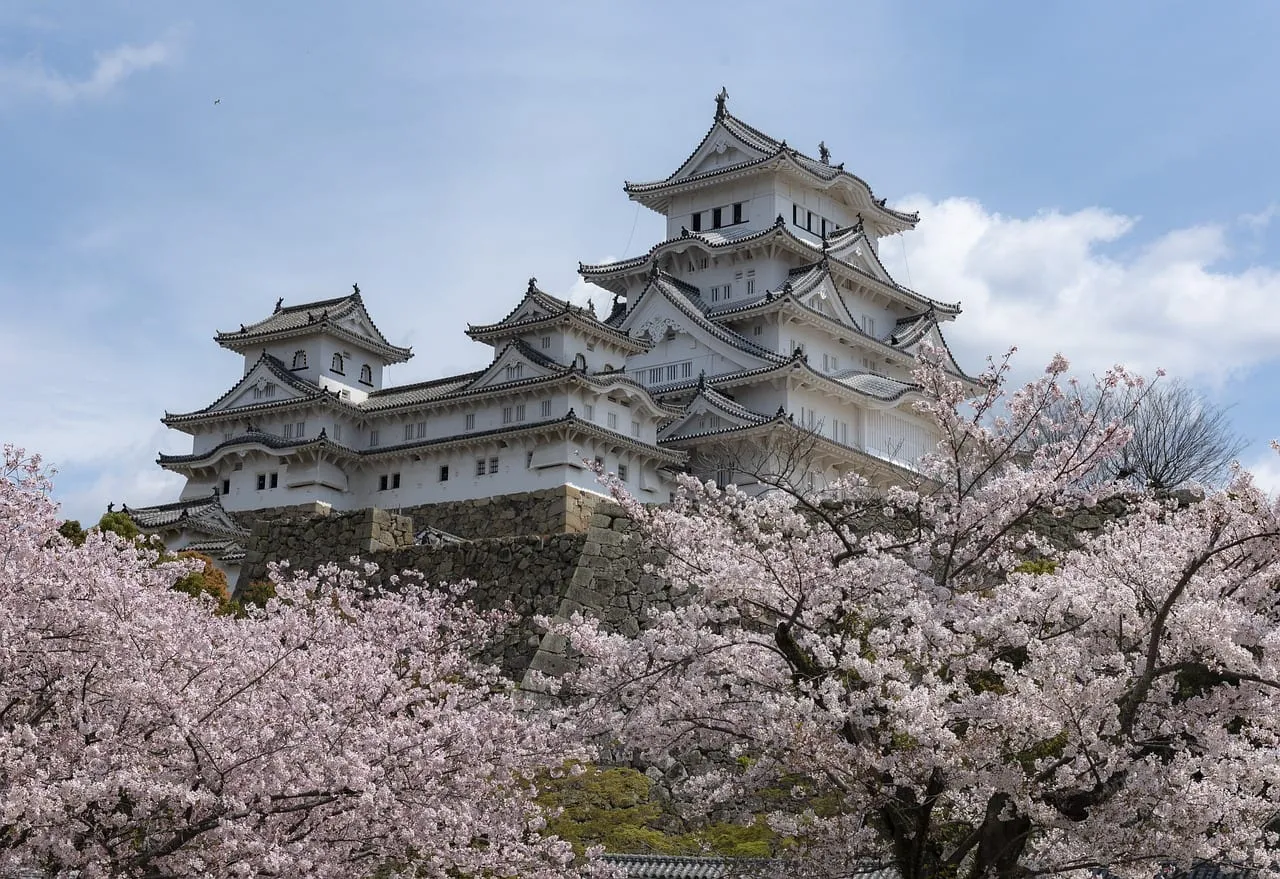
Japan's finest original castle: a white keep from 1609 that survived war, fire and earthquakes
- From
- JP¥2,500(€14)
- Time needed
- 1.5–2 hours for the castle; about 3 hours with Kōko-en garden next door

Kinkaku-ji
Kyoto, Japan
Kyoto's Golden Pavilion: a gold-leaf Zen relic hall mirrored in a 600-year-old pond garden.
- From
- JP¥500 adult; JP¥300 primary and middle school pupils; younger children free(€3 · €2)
- Time needed
- 40–60 minutes for the garden route; add 30 minutes for matcha at the tea spot by the exit
Before you go
The things that apply at every big sight: booking ahead, what skip-the-line really means, and the scams that follow tourists everywhere.