Sights in Mexico
Mexico's great ancient cities, from Teotihuacan near the capital to the Maya sites of the Yucatán, are run by the federal heritage institute INAH, sometimes together with a state or a park operator, and almost all of them sell entry only at the gate. The rule that matters most: buy your ticket at the window on the day and be there at the 8:00 opening, because online 'official' tickets and cheap tours that leave out the fees cost far more than the gate price.
Checked 7 October 2026
Our sight guides for Mexico

Chichén Itzá
Chichén Itzá, Mexico
The great Maya city of Yucatán, with the stepped Temple of Kukulcán at its heart.
- From
- MX$697 foreign adult, one combined federal and state ticket(€34)
- Time needed
- 2.5–4 hours for the main groups; half a day with the museum and Chichén Viejo
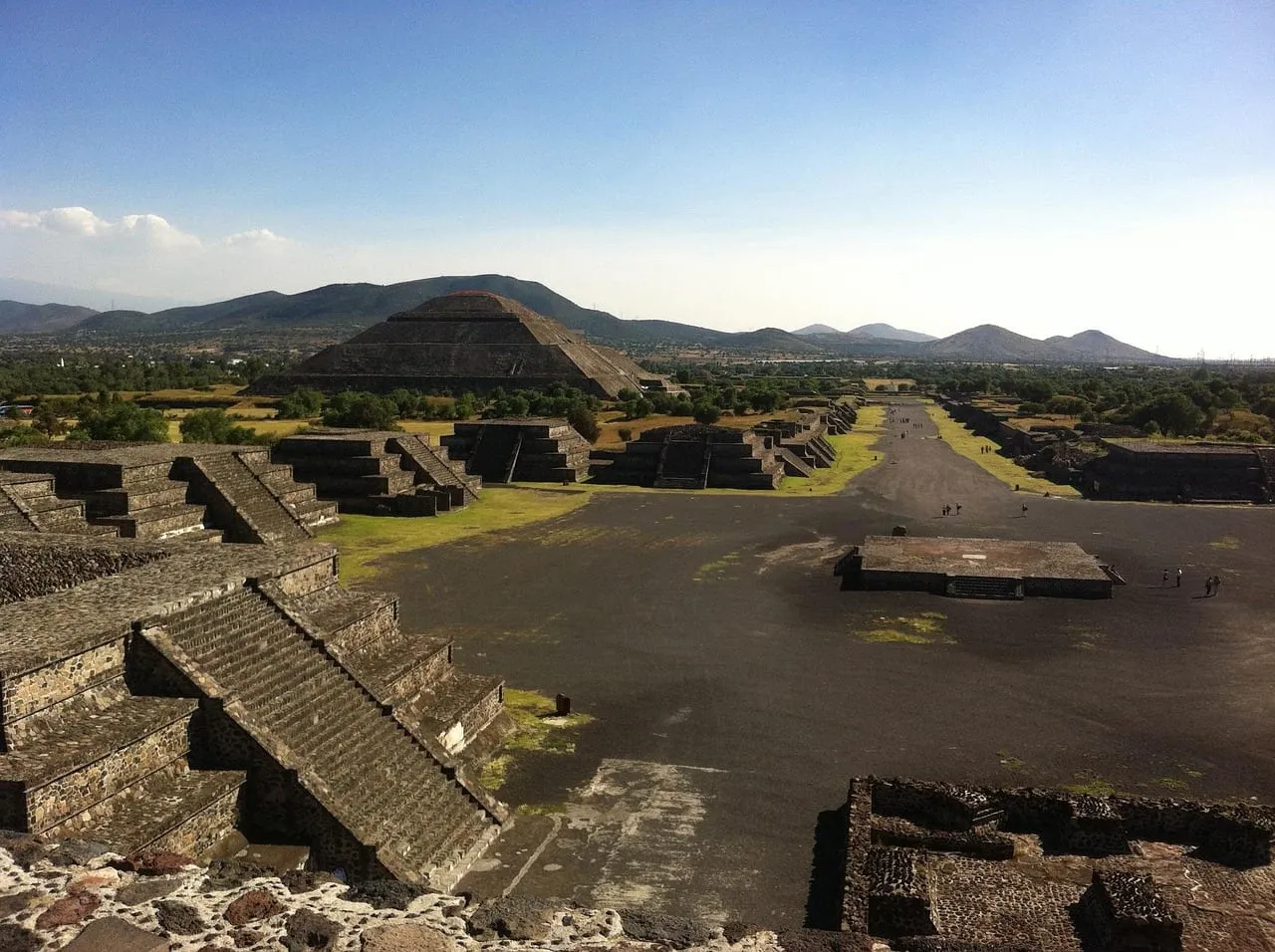
Teotihuacan
San Juan Teotihuacán, Mexico
The vast ancient city of the Pyramids of the Sun and Moon, an hour north of Mexico City
- From
- MX$210 for foreign visitors; MX$105 for Mexicans and residents; free on Sundays for them(€10 · €5)
- Time needed
- 3–5 hours on site; a full day from Mexico City

Tulum archaeological zone
Tulum, Mexico
A walled Maya port city on a cliff above the Caribbean, with a beach right below it.
- From
- MX$265 for foreign visitors(€13)
- Time needed
- 1.5–2 hours for the ruins; add an hour or two for the beach below and the museum
Visiting sights in Mexico
Tickets, passes and free entry
There is no national pass for visitors. INAH sets the fees: since 1 January 2026 its top-category sites, among them Teotihuacan, Palenque and Monte Albán, charge foreign visitors MX$210 and Mexicans and residents MX$105, and the Museo Nacional de Antropología charges the same. Some sites add a state or park fee: Chichén Itzá has sold one combined ticket since 27 March 2026 (MX$697 for foreign adults), and Tulum charges MX$265 in all since July 2026 (MX$100 Parque del Jaguar plus MX$165). Prices as of October 2026. Under-13s enter INAH sites free. Mexicans and residents with ID enter free on Sundays, but senior and student exemptions rely on Mexican cards.
Getting between the sights
First-class buses, led by ADO, link the big cities and the Yucatán sites on toll roads (cuotas), and ADO sells cheaper fares online in advance. The Tren Maya runs a 1,554 km line through Yucatán, Quintana Roo, Campeche, Tabasco and Chiapas; since late April 2026 visitors pay one 'Turista México' fare, about MX$351 from Cancún to Chichén Itzá and MX$547 from Mérida to Cancún, bought at reservas.ventaboletostrenmaya.com.mx or at stations (October 2026). Quintana Roo is one hour ahead of Yucatán, so check times. From Mexico City, buses for Teotihuacan leave Terminal Norte (MX$75 one way, December 2025). In cities use Uber, DiDi or sitio taxis from ranks, and pre-paid taxis at airports.
Money, payment and site rules
Prices are in pesos, written locally with a plain '$' sign; dollar prices in tourist areas are marked US$. Some businesses take dollars, but at a poor rate, so pay in pesos. Cards are widely taken in cities, but carry peso cash for colectivos, parking, small shops and rural areas, where cash machines can run dry. The UK Foreign Office advises using ATMs inside shops or malls in daylight and withdrawing small amounts. A tip of 10–15% is normal in restaurants; taxi drivers don't expect one. At INAH sites food and drones are not allowed, and video cameras and tripods may need a permit and fee. Bringing vapes into Mexico is illegal.
Seasons, holidays and crowds
November to April is the dry season and the most comfortable time for the ruins; April is the hottest month on the Yucatán. From about May to October afternoon storms are common, and the Atlantic hurricane season runs from 1 June to 30 November, so Caribbean and Gulf coast trips can be disrupted then. Sargassum seaweed piles up on the Quintana Roo beaches mostly from spring to early autumn. INAH sites are busiest on Sundays, when Mexicans enter free, during Semana Santa (Holy Week) and from Christmas to New Year. Around the spring equinox (about 21 March) Chichén Itzá and Teotihuacan draw tens of thousands, with shorter hours and extra rules.
Scams and problems to know about
Cheap day tours from Cancún and the Riviera Maya often leave out the entry fees and collect $40–44 (US) per person on the day, more than the gate price; look for 'fees not included' in the small print. Websites selling 'official' or 'skip-the-line' tickets for Chichén Itzá, Tulum or Teotihuacan charge about double and still go through security. Foreign visitors to Quintana Roo must pay the state's Visitax online, only on visitax.gob.mx, and show the QR receipt when leaving. The Foreign Office warns of fake immigration officers at airports, fake police fining drivers of rental cars, and unlicensed taxis, and advises against all but essential travel to parts of Mexico, including Highway 199 into Palenque.
Also worth the trip
Not on Sightsale yet, but worth knowing about.
Palenque
A Maya city of carved temples and palaces in the rainforest of Chiapas, one of INAH's top-category sites and a stop on the Tren Maya.
Uxmal
The finest of the Puuc-style Maya cities south of Mérida, with the tall Pyramid of the Magician and long mosaic facades, and far fewer visitors than Chichén Itzá.
Monte Albán
The Zapotec capital on a flattened mountain top above Oaxaca city, with wide views over three valleys.
Museo Nacional de Antropología
Mexico City's great museum of the country's ancient cultures, home to the Aztec Sun Stone; a good first stop before Teotihuacan.
Calakmul
A huge Maya city deep in the Campeche jungle, with pyramids you can see over the forest canopy from; remote, so plan a night nearby.
Questions people ask about visiting Mexico
Can you buy tickets for Mexican archaeological sites online?
Generally not from an official seller: INAH sites such as Teotihuacan, Chichén Itzá and Tulum sell entry at the ticket windows on the day, and none of them has timed entry (October 2026). Websites selling 'official' tickets are resellers that charge about double.
How much does it cost to enter Mexican ruins in 2026?
INAH's top-category sites charge foreign visitors MX$210 since 1 January 2026. Chichén Itzá costs MX$697 for foreign adults (one combined federal and state ticket since March 2026) and Tulum MX$265 including the Parque del Jaguar fee (since July 2026). Under-13s enter free.
Are Mexican archaeological sites free on Sundays?
Only for Mexican nationals and foreign residents of Mexico with ID; foreign tourists pay the normal fee every day. The free Sunday makes Sundays the busiest day at most sites.
What is the Visitax and do I have to pay it?
It is a fee Quintana Roo charges every foreign tourist visiting the state, which covers Cancún, Tulum, Playa del Carmen and Cozumel. It is paid online at visitax.gob.mx, and you show the QR receipt at the airport when leaving. It is set at 2.5 UMA (a Mexican index unit), almost MX$283 at 2025 values, so expect a little more in 2026.
Is the Tren Maya a good way to visit the Yucatán ruins?
For Chichén Itzá it is now one of the cheapest options: since late April 2026 tourists pay about MX$351 from Cancún, plus a shuttle of about MX$55 from the station to the site. Stations are not always next to the ruins (Tulum's is not), so check the last leg and the timetable the same week.
Sources for this page (17)
- La Razón: new INAH fees from 2026 (Category I sites, free Sundays) (accessed 7 October 2026)
- INAH, Visita Teotihuacán: plan your visit (hours, prices, exemptions, rules) (accessed 7 October 2026)
- INAH Lugares: Chichén Itzá (fees, hours, rules) (accessed 7 October 2026)
- Diario de Yucatán: one combined ticket for Chichén Itzá (24 March 2026) (accessed 7 October 2026)
- The Tulum Times: Tulum ruins tickets and Parque del Jaguar fees (2026) (accessed 7 October 2026)
- The Tulum Times: Tren Maya fares reduced, one tourist fare (April 2026, updated September 2026) (accessed 7 October 2026)
- Tren Maya (official site) (accessed 7 October 2026)
- ADO: Cancún to Chichén Itzá (first-class buses, online fares, time zone) (accessed 7 October 2026)
- Along Dusty Roads: how to get to Teotihuacan from Mexico City (accessed 7 October 2026)
- Visitax (Quintana Roo state tax portal, FAQ) (accessed 7 October 2026)
- Riviera Maya News: Visitax stays at 2.5 UMA in 2026 (3 December 2025) (accessed 7 October 2026)
- UK FCDO travel advice: Mexico, warnings and insurance (accessed 7 October 2026)
- UK FCDO travel advice: Mexico, safety and security (accessed 7 October 2026)
- UK FCDO travel advice: Mexico, entry requirements (Visitax, fake immigration officers) (accessed 7 October 2026)
- Wikivoyage: Mexico (money, tipping, buses, climate) (accessed 7 October 2026)
- Wikipedia: Atlantic hurricane season (accessed 7 October 2026)
- Wikipedia: Holy Week in Mexico (accessed 7 October 2026)